
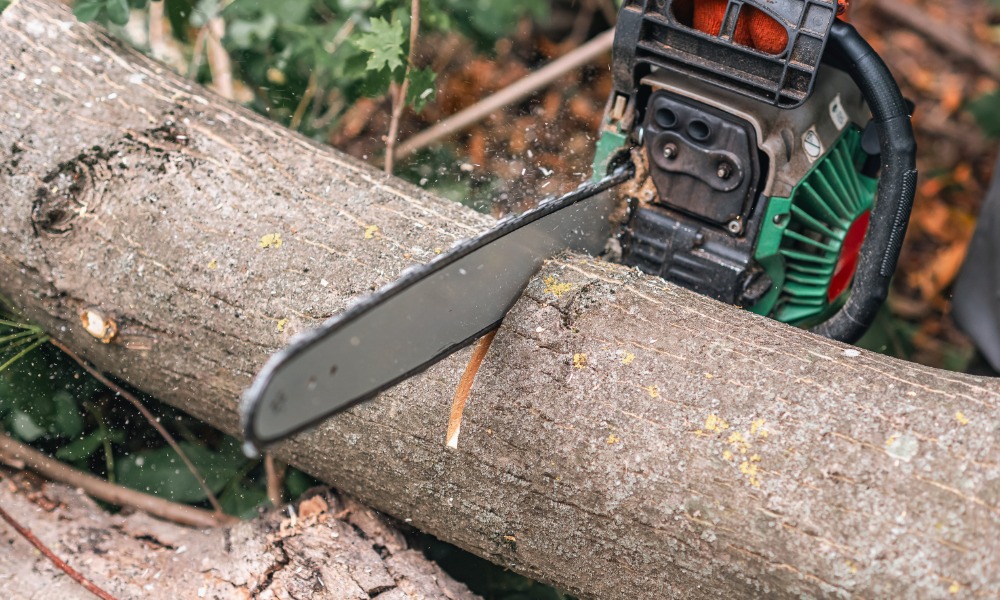
Picture this: a storm moves through overnight, and by morning, your yard looks completely different. Maybe a branch blocks the driveway or leaves cover the porch. Your first instinct may be to grab a chainsaw and start clearing the mess. Take a moment and pause. Fallen branches aren’t always the biggest danger.
Before you use power tools after a heavy storm, check the conditions around your home and the equipment you plan to use. Wet ground can hide hazards, and damaged electrical systems might put you at risk in ways you can’t see. By inspecting everything first, you can handle cleanup safely and avoid turning storm damage into a personal injury.
Survey the Property Before Starting Cleanup
Start by walking around your property in daylight before touching any debris. Begin from a safe distance, and look for damage that could affect your work area. For example, a tree leaning toward the house deserves more attention than a pile of leaves across the walkway.
Look up and check for loose roofing materials or branches hanging overhead. Wind may have weakened their supports even if they haven’t fallen yet.
If you suspect the storm has damaged your home’s structure, stay out of unsafe areas until a qualified professional can evaluate them. Never start cleanup under a roof that may be unstable.
Treat Every Fallen Power Line as Live
Never assume a downed wire is safe just because the power is out in your neighborhood. Utility crews could restore service without warning, and a fallen line may still carry current.
Stay clear of any downed wire and everything it touches. Even a tree branch resting against a power line is an electrical hazard, no matter how harmless it appears. If you spot a downed line, report it to the utility company or emergency services right away, and make sure others steer clear too.
Never try to drag branches away or move cables with a tool. Leave that job to trained utility personnel. Remember, no cleanup deadline is worth risking your safety around electrical hazards.
Wait for a Safe, Dry Work Area
Even a little stormwater can create big problems. Damp surfaces raise your risk of slipping, especially when you’re using equipment that demands a firm footing.
So, check the ground where you plan to work. Deep mud can make it tough to control a chainsaw or carry heavy branches. Likewise, a slick concrete driveway is risky if you’re operating a pressure washer.
Keep Electricity Away From Standing Water
Never operate an ordinary electric tool while standing in water. If floodwater reaches an outlet or electrical equipment, shut off the affected system and have a qualified electrician inspect it. Don’t assume an electrical tool is safe simply because its exterior feels dry. Wait for conditions to improve rather than trying to finish the job immediately.
Inspect Every Tool Before Connecting Power
Your chainsaw or electric saw might have spent the night in a damp shed. Before you get started, check for moisture in storage areas and look for signs of damage to the tool’s housing. Take a moment to inspect the safety guards and make sure the controls work as the manufacturer intended.
If water entered a tool, don’t test it by switching it on. Arrange professional evaluation or replacement as appropriate. For battery-powered equipment, inspect the battery case and contacts. Don’t charge a battery that shows water damage or swelling.
Examine Extension Cords and Outdoor Connections
Extension cords take a lot of abuse outdoors. They might drag across rough concrete or get pinched beneath debris. Inspect the entire cord before plugging it in for cracked insulation or damaged connectors.
For heavy-duty cords, cleaning and inspecting SOOW cords means disconnecting power first, gently removing dirt, and letting everything dry before storage. The same careful approach helps you identify damage after storm cleanup. Never disguise a damaged electrical cord with tape and return it to service.
Choose Cleanup Jobs Your Equipment Can Handle
A fallen twig and a storm-damaged tree require different responses. Large limbs may remain under tension even after they hit the ground. Cutting in the wrong place might cause wood to spring back without warning.
Leave tangled branches and hanging limbs to professionals trained in hazardous tree removal. Never use a chainsaw while standing on a ladder.
For smaller debris, match the job to equipment you already know how to operate. Read the tool manual before changing a blade or adjusting a guard, and disconnect its power source first.
Prepare Yourself Before the First Cut
Storm cleanup invites rushing, especially when debris blocks a normal route around your property. But protective equipment should still be a priority, especially when conditions are unpredictable.
Before starting manageable work, check these basics:
- Wear eye protection against flying chips and dirt.
- Choose sturdy footwear with reliable traction.
- Use hearing protection when operating loud equipment.
- Wear appropriate chainsaw-rated leg protection if operating a chainsaw.
- Keep children and pets outside the work area.
Plan where debris will fall before making a cut. Stand on stable ground, and keep others far enough away to avoid flying material.
Use Generators and Fuel-Powered Tools Carefully
An outage might leave you relying on a portable generator to run equipment. Place the generator outdoors at least 20 feet from windows or doors, with exhaust facing away from the building. Carbon monoxide from fuel-burning engines is deadly indoors.
Never run a generator inside a garage, even with the door open! Keep a working carbon monoxide detector in your home.
Don’t connect a generator directly to household wiring unless a qualified electrician has installed an approved transfer arrangement. Such connections endanger utility workers. Shut down fuel-powered equipment and allow it to cool before refueling.
Know When To Put the Tools Away
You don’t have to restore your property in one afternoon. Start with debris you can remove safely, and leave difficult tasks to properly equipped professionals. If new rain arrives, stop using outdoor power equipment and reassess conditions.
Pay attention to fatigue. Heavy lifting and repetitive cutting get harder when you lose concentration. Take breaks before exhaustion affects your judgment. If you notice shifting tree limbs or unfamiliar electrical damage, stop work and move away. Contact the right professional instead of testing your luck.
The best approach to using power tools after a heavy storm is knowing what not to touch. Start with the surroundings, examine your equipment, and work only where conditions allow safe control.

 The World Beast

