
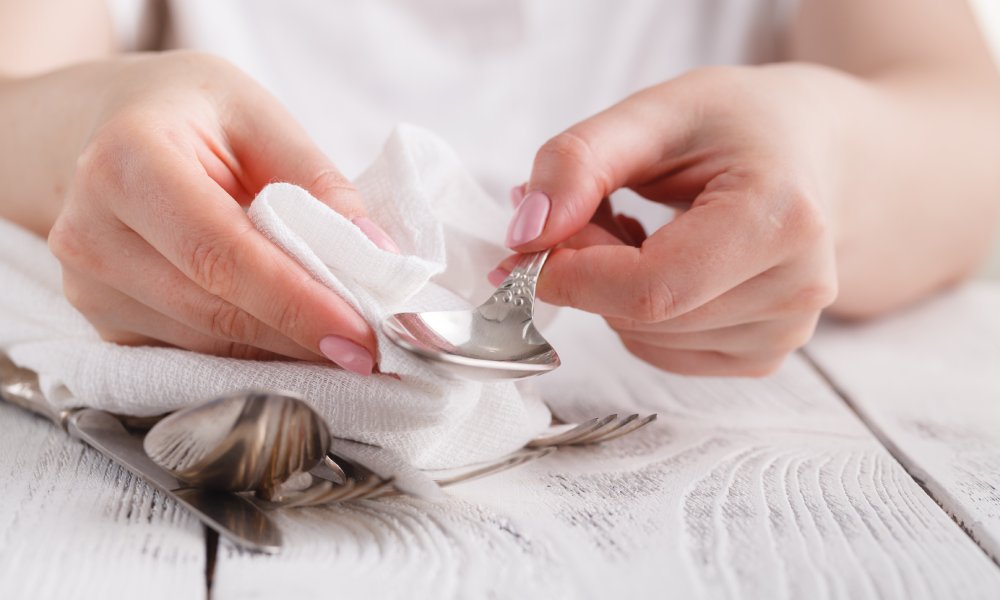
Silver dishware represents centuries of refined dining traditions, where each piece tells a story of craftsmanship and elegance.
These treasured items deserve meticulous care to preserve their lustrous beauty and historical significance.
Proper maintenance ensures your sterling silver continues to grace your table with the same sophistication that made it a symbol of distinction across generations. Read on to discover the best ways to clean your silver dishware.
Why Silver Requires Special Care
Understanding the stages of silver tarnishing will help you recognize when your pieces need care and choose the most effective cleaning methods.
Tarnish forms as silver reacts with sulfur compounds in the air, gradually progressing from a faint dullness to deep discoloration if left untreated.
While many collectors value this natural patina, careful maintenance is essential to prevent excessive tarnish that can diminish the appearance and worth of the dishware.
Because silver is a delicate metal, using harsh chemicals or abrasive materials can cause permanent damage.
Scratches, pitting, and chemical stains can quickly mar the surface, transforming elegant dishware into pieces that lose their refined appeal.
Choosing gentle, silver-safe cleaning methods ensures your collection retains its luster and sophistication for years to come.
Gentle Hand Washing Method
Begin with lukewarm water and a few drops of mild dish soap, creating a gentle cleaning solution.
Wash each piece of dishware individually using a soft microfiber cloth or natural sponge, working in straight lines rather than circular motions to minimize scratching.
Rinse thoroughly with lukewarm water, ensuring no soap residue remains on the surface. Soap films can accelerate tarnishing and create unsightly streaks that detract from your silver’s natural radiance.
Immediately dry each piece with a clean, lint-free cloth, paying special attention to crevices where water might collect.
Natural Cleaning Solutions
Create a paste using baking soda and water for pieces showing light tarnish. Gently apply the mixture with a soft cloth, working in the direction of the silver’s natural grain.
This method removes tarnish without the harsh chemicals found in commercial cleaners.
For more stubborn tarnishing, consider the aluminum foil method. Line a bowl with aluminum foil, add hot water and a tablespoon of baking soda, then immerse your silver pieces.
The chemical reaction between aluminum and silver removes tarnish naturally, though this method requires careful monitoring to prevent damage.
Professional Polishing Techniques
Commercial silver polishes offer deeper cleaning for heavily tarnished pieces. Choose polishes specifically formulated for sterling silver, avoiding products containing ammonia or bleach that can cause permanent discoloration.
Apply polish sparingly with a soft cloth, following the manufacturer’s instructions. Work on small sections at a time, allowing the polish to work its magic before buffing to a brilliant shine.
Preserving Your Investment
Store cleaned silver pieces in tarnish-resistant cloth or anti-tarnish strips to minimize exposure to air and moisture.
Proper storage extends the time between cleanings and maintains the lustrous finish that makes silver dishware so captivating.
Regular maintenance prevents the accumulation of tarnish that requires aggressive cleaning methods.
A gentle weekly dusting with a soft cloth keeps your pieces looking magnificent while preserving their delicate surfaces.
The best ways to clean your silver dishware combine gentle methods with consistent care to protect your pieces from tarnish while preserving their timeless beauty and value.
With the right techniques and a mindful approach, your collection will continue to shine—adding elegance and sophistication to every occasion for years to come.
