
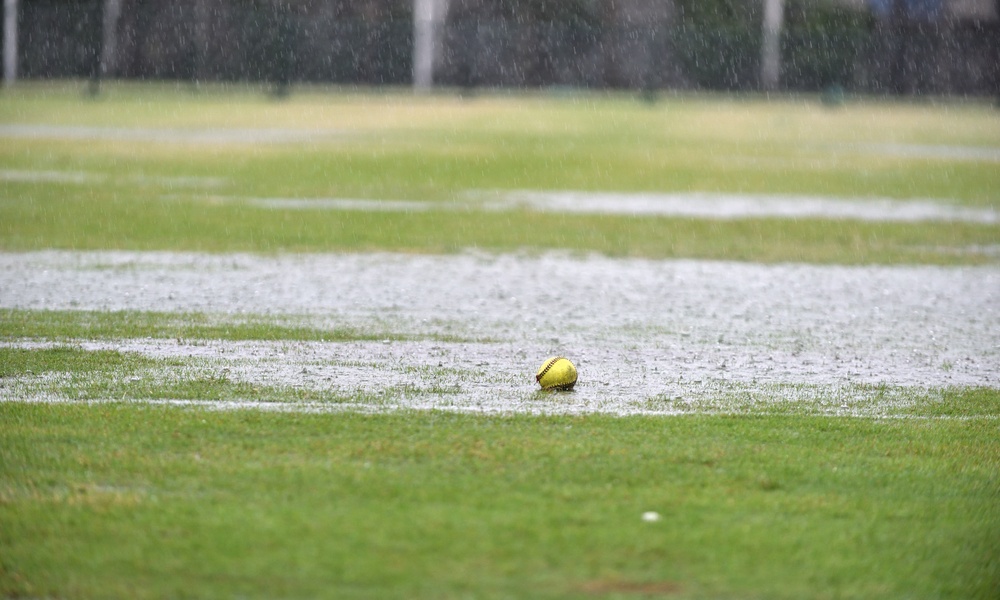
Storms can quickly turn a well-maintained sports field into a soggy, unsafe surface. Heavy rain can flood low-lying areas and loosen soil. Fields may remain unusable long after the weather clears. Strong winds can also scatter equipment or damage fencing.
Field managers can reduce those risks with a practical storm-preparation plan. The right steps protect playing surfaces and help crews restore the field more quickly once conditions improve. Check out the best ways to prepare sports fields for storms.
Watch the Forecast Closely
Weather monitoring should guide every storm-preparation decision. Field crews need sufficient notice to protect vulnerable areas before rain begins. Check local forecasts when storms appear likely, and closely monitor expected rainfall and wind speeds.
A brief shower may require only minor preparation, while a slow-moving storm can create drainage problems that last for days. When crews understand the forecast, they can choose the right response instead of treating every storm the same way.
Use Field Covers Early
Field covers provide one of the most direct ways to protect high-use areas from rainfall. Baseball and softball crews often cover infields or pitcher’s mounds because those surfaces can absorb water quickly. Grounds crews at other facilities may use covers to protect sections with poor drainage.
Timing is critical to how well a cover works. Crews should place tarps before rain saturates the surface. Proper tarp use can prevent rain delays by limiting the amount of water that reaches vulnerable soil and turf.
Workers should also secure covers properly before wind speeds increase. Loose edges can lift during a storm, allowing water to get underneath. A poorly secured tarp may move across the field, creating more work for the crew.
Clear Drainage Areas
Drainage systems need clear pathways before heavy rain arrives. Leaves and grass clippings can block drains or slow runoff. A quick inspection can reveal problems that crews can fix before rain begins.
Walk the field perimeter and check drain inlets and nearby collection areas. Remove debris by hand when possible, and confirm that water has a clear path away from the playing surface.
Crews should also inspect low spots that frequently hold water. These areas often indicate grading or soil problems. During immediate preparation, crews can focus on keeping nearby drainage routes open.
Protect Loose Equipment
Strong winds can turn lightweight field equipment into hazards. Portable goals and temporary fencing can shift during severe weather. Crews should secure or relocate loose items before the storm reaches the facility.
Move portable equipment to storage when space allows. Secure larger items according to the manufacturer’s instructions. Crews should never rely on an item’s weight alone when strong winds could move it. Equipment that blows or rolls across wet turf can tear grass or create ruts.
Adjust Irrigation
Routine irrigation schedules can cause unnecessary problems when crews forget to adjust them before a storm. If heavy rainfall appears likely, reduce or pause irrigation when the turf can safely handle the change.
Excess water leaves less room in the soil for rainfall. Saturated ground also loses stability more quickly under foot traffic. By adjusting irrigation ahead of time, crews give the field greater capacity to absorb incoming rain.
The decision should reflect current soil conditions. Dry fields may still need water before a delayed storm, while already damp fields may need no additional irrigation.
Strengthen Vulnerable Turf
Weak or thin turf often suffers the most during storms. Bare areas can erode quickly, and water may carry loose soil into adjacent areas. Crews can reduce those risks by keeping high-traffic zones healthy throughout the season.
Regular aeration can improve water movement through compacted soil when crews perform it at the right time. Overseeding can help establish stronger turf in worn areas. Planned topdressing can also promote smoother surfaces and better drainage.
Storm preparation works best when crews treat turf health as an ongoing responsibility. Healthy grass creates a stronger surface that withstands water and recovers from stress more effectively.
Limit Field Traffic
Foot traffic can cause serious damage when the soil becomes soft. Players and maintenance vehicles can compress wet soil or leave deep impressions on the surface. Field managers should restrict unnecessary access before heavy rain and maintain those limits until the field firms up.
Crews should create clear access rules for staff who need to enter the field during preparation. Use designated routes when possible so workers don’t spread wear across large sections.
After the storm, resist the urge to reopen the field too soon. The surface may look playable, but the soil beneath may still hold too much water. Allowing the field more recovery time can prevent damage that would require days to repair.
Check Irrigation Components
Storm preparation should include a quick check of visible irrigation equipment. Loose sprinkler heads and damaged covers can create problems when water moves across the field.
Crews should repair obvious issues before severe weather arrives. Water can enter damaged irrigation boxes, while fast runoff can worsen existing erosion around sprinkler heads.
A routine inspection helps crews identify weak areas before the storm adds pressure to the system. It also makes post-storm checks easier because workers already know the condition of the equipment.
Prepare Cleanup Supplies
Storm recovery moves faster when crews gather supplies before bad weather arrives. Keep tools for removing standing water and clearing debris nearby. Crews should also have basic materials ready for turf repairs.
Check pumps or squeegees before the storm. Confirm that powered equipment can operate when crews need it. Store supplies where flooding or wind won’t damage them.
Preparation also helps managers assign responsibilities in advance. When workers know who will inspect drainage or assess turf after the storm, the crew can begin recovery without confusion.
Document Field Conditions
Photos can help crews track trouble spots over time. Take pictures of areas that frequently collect water or show erosion before a major storm. After conditions improve, compare those areas with the pre-storm images.
This simple record can help managers plan future repairs and identify recurring drainage concerns. Documentation also gives crews a clearer view of which preparation methods work well.
Keep notes about rainfall and recovery time. Over a season, those records can help crews refine their storm procedures based on what happens at their facility.
Create a Reopening Plan
Field preparation shouldn’t stop when the rain ends. Managers need a clear process for deciding when play can resume. Check soil firmness and surface traction before reopening the area.
Walk the entire playing surface instead of checking only the most visible sections. Low spots may stay wet longer than open turf. Infields may also need additional drying time even when nearby grass appears ready.
Communicate closure decisions clearly with coaches and facility users. A consistent reopening process protects the field from avoidable damage and gives everyone a clearer expectation.
Stay Prepared for the Next Storm
Sports fields face changing conditions throughout the season, so storm preparation needs regular attention. Crews that monitor weather and protect vulnerable surfaces can reduce storm damage.
Good preparation also makes recovery less stressful. When crews already have equipment ready and know which areas need attention first, they can respond faster after the skies clear.
A strong storm plan depends on smart timing and consistent sports field care. With a clear routine in place, grounds crews can protect their investment and help athletes return to a safer, more reliable playing surface sooner.
