
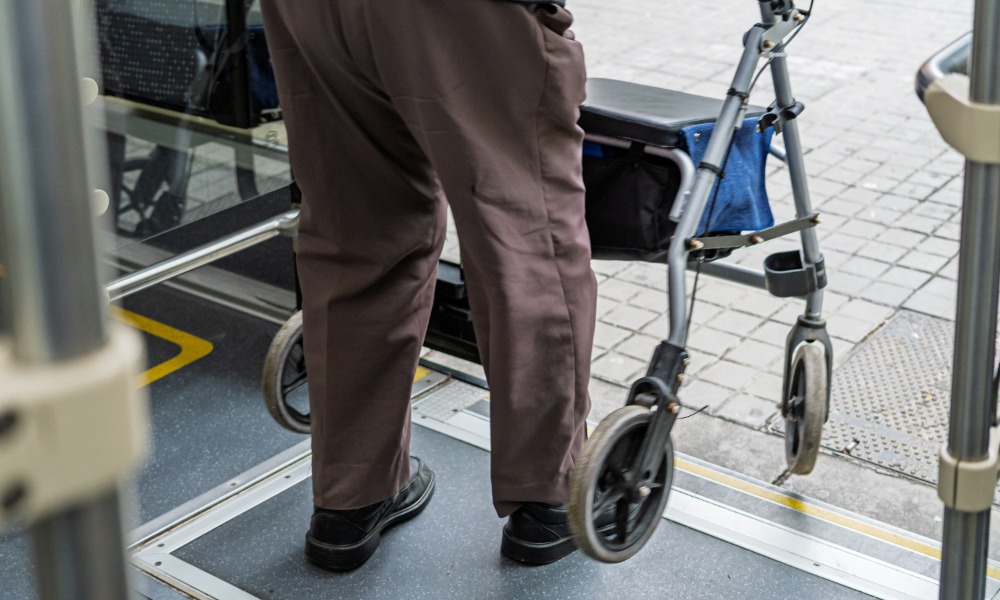
Building confidence with assistive mobility tools helps people maintain independence when physical limitations make everyday movement more challenging. Wheelchairs, walkers, and canes provide valuable support for individuals with different mobility needs. However, using these devices confidently requires more than simply having the right equipment.
Learning proper techniques can improve personal safety while making daily activities feel more manageable. Confidence develops gradually as individuals become familiar with their equipment and recognize their physical capabilities. A thoughtful approach to mobility encourages independence without overlooking important safety considerations.
Choose the Right Mobility Device
Selecting an appropriate mobility device provides the foundation for safe movement. Different devices offer varying levels of support depending on an individual’s physical abilities. Understanding these differences helps users identify equipment that accommodates their needs without creating unnecessary difficulties.
Canes can improve balance for people who need limited walking support. Walkers provide a wider base of support for individuals who experience greater stability challenges. Wheelchairs offer seated mobility for those who cannot walk safely or comfortably over certain distances.
A healthcare professional can help determine which device best suits someone’s circumstances. Physical therapists often evaluate walking ability and muscle strength before recommending mobility equipment. Their guidance helps individuals select tools that support everyday activities while minimizing unnecessary physical strain.
Ensure Proper Equipment Fit
Mobility equipment must fit correctly to provide dependable support. Poorly adjusted devices can encourage uncomfortable movement patterns or make everyday activities more difficult. Proper positioning allows individuals to operate their equipment more comfortably while maintaining better control over their movements.
For example, a cane that is the wrong height can affect posture while walking. Similarly, wheelchair dimensions influence seated comfort and the user’s ability to maneuver. Small adjustments can make a noticeable difference in how confidently someone operates their equipment.
Professional fitting services can help users identify adjustments that support their physical needs. Persistent discomfort may indicate that equipment requires further adjustments or a different configuration.
Practice Mobility Skills in Familiar Spaces
Confidence often develops through repeated practice in predictable environments. Familiar surroundings let individuals focus on operating their mobility equipment without excessive distractions. A spacious room with clear pathways provides a useful starting point for practicing basic movement techniques.
Practice sessions should remain manageable and reflect each person’s physical capabilities. Taking breaks can help prevent fatigue from affecting movement quality. As individuals become more comfortable, they can gradually introduce additional challenges that encourage continued skill development.
Understand Important Wheelchair Safety Features
Wheelchair safety depends partly on understanding how different components function. Wheel locks help prevent unintended movement when a wheelchair remains stationary. Recognizing when wheel locks matter most for safety and stability becomes especially important during transfers between a wheelchair and another surface.
Users should engage both wheel locks before transfers and confirm that the chair remains secure. Standard wheel locks generally do not function as brakes for slowing a moving wheelchair. Understanding this distinction helps prevent unsafe equipment use during everyday activities.
Learn To Navigate Different Environments
Moving through familiar indoor spaces often feels easier than navigating unfamiliar public areas. Uneven pavement and narrow entrances can introduce challenges that require additional attention. Learning how environmental conditions affect mobility equipment helps individuals approach these situations with greater awareness.
Before visiting an unfamiliar location, users can research accessible entrances and available accommodations. This preparation helps reduce uncertainty about potential obstacles. Identifying suitable pathways also lets individuals focus on movement rather than making rushed decisions.
Outdoor mobility may require additional practice because surface conditions can change unexpectedly. Wet pavement can affect traction, while steep slopes demand greater control. Users should recognize their equipment’s limitations and seek assistance when environmental conditions exceed their abilities.
Establish a Consistent Equipment Safety Routine
Regular equipment inspections help individuals recognize problems that could affect mobility. Repeated use can gradually wear down important components and reduce their effectiveness. A consistent maintenance routine encourages users to identify potential concerns before those issues interfere with everyday activities.
Simple safety checks can help users maintain reliable equipment performance:
- Inspect wheels: Look for visible damage or excessive tire wear.
- Check wheel locks: Confirm that locking mechanisms engage securely.
- Examine support points: Look for worn cane tips or loose walker grips.
- Clear pathways: Remove obstacles that could interfere with safe movement.
- Monitor comfort: Pay attention to unusual pressure or persistent discomfort.
Manufacturers provide maintenance recommendations that help users care for their mobility devices. Following these instructions can support equipment reliability over time. Individuals should contact qualified professionals when mechanical problems require repairs beyond routine maintenance.
Address Emotional Challenges and Build Self-Confidence
Adjusting to assistive mobility equipment can involve emotional challenges alongside physical changes. Some individuals worry about attracting unwanted attention when using a wheelchair or walker. Others feel frustrated when familiar activities suddenly require more effort or planning.
Acknowledging these feelings can help individuals develop realistic expectations about their mobility. Confidence does not require someone to overcome every challenge immediately. Instead, recognizing personal progress encourages a healthier relationship with assistive equipment and the independence it supports.
Supportive relationships can also strengthen confidence during the adjustment process. Family members can offer encouragement without unnecessarily taking control of tasks. Healthcare professionals may offer additional guidance when users experience persistent anxiety about movement or personal safety.
Balance Independence With Personal Safety
Independence does not mean completing every activity without assistance. It involves making informed decisions about personal abilities and recognizing when additional support is needed. Someone may navigate familiar environments comfortably while needing help with unfamiliar obstacles.
Developing this awareness helps individuals avoid unnecessary risks during everyday movement. Respecting physical limitations can prevent situations that compromise balance or make equipment harder to control.
Personal mobility goals should reflect realistic expectations rather than external pressure. Gradually increasing independence allows individuals to strengthen their skills while maintaining appropriate safety precautions. This balanced approach encourages confidence without promoting unnecessary risk-taking.
Continue Learning as Mobility Needs Change
Mobility needs can evolve as physical abilities change over time. Equipment that once provided adequate support may eventually require adjustments or replacement. Regular evaluations help individuals determine whether their current devices continue to meet their functional needs.
Continued learning also helps users adapt to unfamiliar situations. Occupational therapists can recommend techniques for completing daily activities more comfortably. Physical therapists may suggest appropriate exercises that support movement capabilities and help individuals maintain confidence.
Individuals should remain open to modifying their routines when circumstances change. A different mobility device or additional assistance may provide better support during certain activities. Making these adjustments demonstrates practical awareness rather than a loss of independence.
Build Lasting Confidence Through Safe Mobility Habits
Building confidence with mobility tools requires patience and consistent attention to safety. Proper equipment selection creates a strong starting point, while regular practice helps individuals develop familiarity with movement. Recognizing personal limitations also supports more informed decisions throughout everyday activities.
Assistive mobility tools can provide meaningful opportunities for greater independence when used appropriately. Continued education helps users respond to changing circumstances without sacrificing personal safety. With suitable equipment and practical guidance, individuals can approach daily movement with greater confidence and control.
