
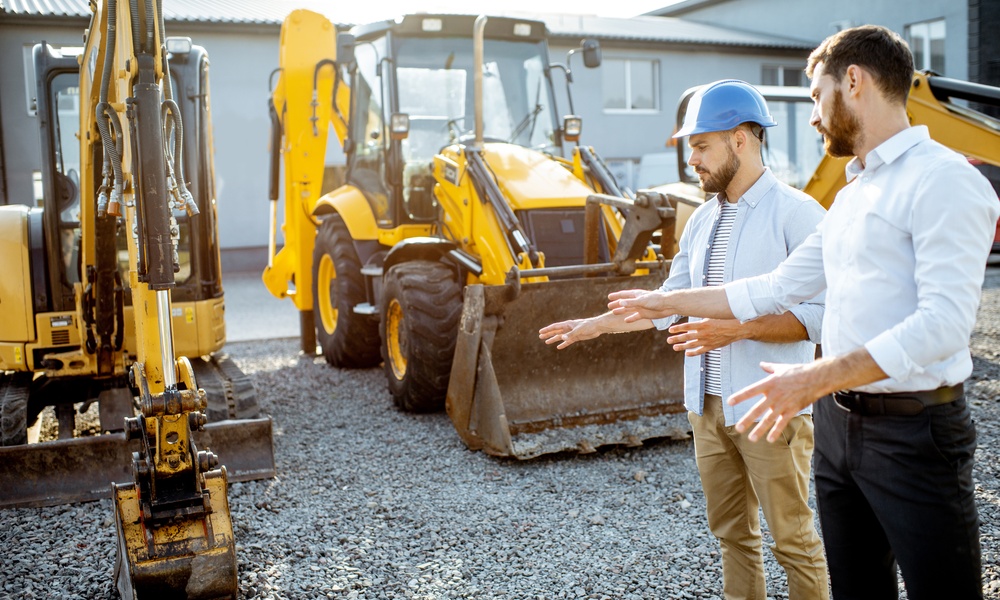
Heavy equipment plays an essential role in construction, infrastructure development, agriculture, and industrial operations. However, the size and mechanical force of these machines create risks that demand consistent attention from operators and supervisors.
Across American and international worksites, building safer habits around heavy equipment requires more than compliance with written procedures. Organizations must establish practical routines that help workers recognize hazards, communicate effectively, and make responsible decisions throughout the workday.
Why Everyday Behavior Matters in Equipment Safety
Many workplace incidents involve a combination of hazardous conditions, equipment limitations, and human decisions. Even experienced operators can overlook developing risks when repetitive tasks encourage complacency or production deadlines create pressure. A strong safety culture addresses these challenges through continuous observation and realistic operating expectations. Workers who understand the consequences of routine shortcuts can make more deliberate decisions before situations become dangerous.
Safe behavior also depends on the conditions that employers create around their teams. Supervisors must provide appropriate equipment, adequate training, and sufficient time for workers to complete tasks correctly. Employees need clear reporting procedures that encourage them to raise concerns without fearing retaliation. When organizations support these practices, safety becomes part of everyday operations rather than an occasional administrative exercise.
Begin Every Shift With Equipment Inspections
Pre-operation inspections help operators identify problems before equipment enters active service. These checks should cover tires or tracks, hydraulic systems, visible leaks, safety devices, and other components specified by the manufacturer. Operators must also inspect attachments and confirm that guards or protective structures remain secure. A consistent inspection routine may prevent workers from overlooking issues that could worsen during operation.
Documentation provides another important layer of accountability during these checks. Operators should record defects promptly and notify the appropriate maintenance personnel when problems require attention. Supervisors must prevent workers from operating machinery with defects that compromise safe performance. Regular inspection records also help maintenance teams recognize recurring problems before they cause significant disruptions.
Strengthen Communication Around Moving Machinery
Heavy equipment frequently operates in environments where visibility remains limited and multiple workers share confined spaces. Excavators, loaders, forklifts, and other machines can create dangerous situations when pedestrians enter blind spots unexpectedly. Clear communication protocols help everyone understand equipment movements before they approach active work areas. These procedures become especially important when operators reverse, reposition attachments, or move materials through crowded locations.
Organizations should establish practical communication expectations that workers can follow consistently, such as:
- Designate trained spotters when operating conditions require additional visibility.
- Establish clear hand signals or approved communication methods before beginning work.
- Separate pedestrian routes from active equipment travel paths whenever possible.
- Require operators to stop when they lose visual contact with an assigned spotter.
- Confirm that workers understand exclusion zones around moving machinery.
These simple practices reduce uncertainty during complex operations without relying entirely on individual judgment. Supervisors should review communication procedures whenever site layouts or equipment assignments change. International teams may also need multilingual instructions or standardized signals to overcome language differences. Effective communication requires workers to understand the instructions and their responsibility to respond appropriately.
Select Protective Equipment for Specific Hazards
Personal protective equipment provides an additional layer of protection when other safety measures cannot eliminate exposure. Employers should assess tasks individually rather than assume that one collection of protective products suits every operation. Hand protection deserves particular attention because equipment operators and maintenance workers regularly encounter abrasive surfaces, sharp edges, and potential impact hazards. Proper selection requires consideration of mechanical risks, material handling requirements, and the dexterity needed for safe work.
For example, heavy-duty impact gloves for machinery operators may reduce certain hand injuries during appropriate maintenance or material-handling tasks. However, workers must consider whether gloves introduce entanglement risks near rotating components or moving mechanisms. Employers should select protective equipment according to documented hazards, applicable standards, and manufacturer guidance. Gloves never replace machine guarding, lockout procedures, or safe operating distances.
Address Fatigue and Distraction Before They Escalate
Fatigue can affect concentration, reaction time, and the ability to recognize developing hazards. Equipment operators often work extended shifts in physically demanding environments where heat, noise, and vibration increase strain. These conditions can make ordinary decisions more difficult, particularly during repetitive operations. Employers should account for these risks when establishing schedules and assigning demanding tasks.
Reasonable breaks, appropriate hydration, and manageable workloads support more consistent performance. Supervisors should also recognize warning signs, such as unusual mistakes, reduced alertness, or difficulty following established procedures. Workers need opportunities to report fatigue before it affects their ability to operate machinery safely. A productive worksite should never depend on employees ignoring their physical limitations.
Build Training Around Real Operating Conditions
Effective training should reflect the equipment and environments that workers encounter during actual assignments. Classroom instruction can explain important principles, but supervised practical experience helps operators apply those concepts under realistic conditions. Training should address emergency responses, changing ground conditions, equipment limitations, and communication responsibilities. Employers must also verify competence before allowing workers to operate machinery independently.
Refresher instruction becomes particularly valuable when organizations introduce unfamiliar equipment or modify operating procedures. Experienced workers may develop habits that differ from current manufacturer recommendations or workplace requirements. Periodic assessments provide opportunities to correct these practices before they contribute to incidents. Training should encourage questions and practical demonstrations rather than rely exclusively on attendance records.
Use Incident Reporting To Prevent Future Harm
Near misses provide valuable information about hazards that could eventually cause injuries or equipment damage. Organizations should investigate these events with the same commitment to learning that they apply to more serious incidents. Reports may reveal unclear traffic routes, inadequate maintenance practices, or communication failures. Understanding these contributing factors allows supervisors to introduce meaningful improvements.
A fair reporting culture encourages employees to share observations without automatically expecting punishment for every mistake. Investigations should distinguish reckless conduct from system weaknesses, insufficient training, and ordinary human error. Management must then communicate corrective actions and verify whether those measures address the original hazards. Without follow-through, reporting systems can become administrative exercises that produce little practical improvement.
Heavy equipment safety depends on consistent decisions throughout every stage of operation. Inspections, communication, training, and maintenance procedures work together to reduce preventable exposure to workplace hazards. Employers and workers share responsibility for recognizing risks and responding before conditions deteriorate. Safer heavy equipment practices emerge when organizations make responsible behavior a normal part of daily operations rather than an occasional reminder.
