
Learn how to choose a reliable bearing manufacturing company with expert tips on quality, materials, and supplier evaluation.
Ever found yourself staring at a catalogue of bearings, wondering where on earth to start?
Have you questioned whether your current supplier is truly giving you the best value, or if there’s a better option out there?
Perhaps you’ve experienced the frustration of machinery downtime caused by substandard components?
Choosing the right bearing manufacturing company isn’t just about ticking a box on your procurement list.
It’s a decision that directly impacts your equipment’s performance, maintenance costs, and ultimately, your bottom line.
Whether you’re sourcing heavy duty bearings for industrial applications or hunting down the best ball bearings for precision equipment, your choice of supplier matters more than you might think.
In this guide, we’ll walk you through everything you need to know about selecting a dependable bearing manufacturer. You’ll learn about the different types of bearings available, understand bearing material selection, and discover how to match components to your specific load requirements.
Plus, we’ll cover the key qualities that separate exceptional suppliers from mediocre ones, and highlight the red flags that should send you running in the opposite direction. Let’s get stuck into it.
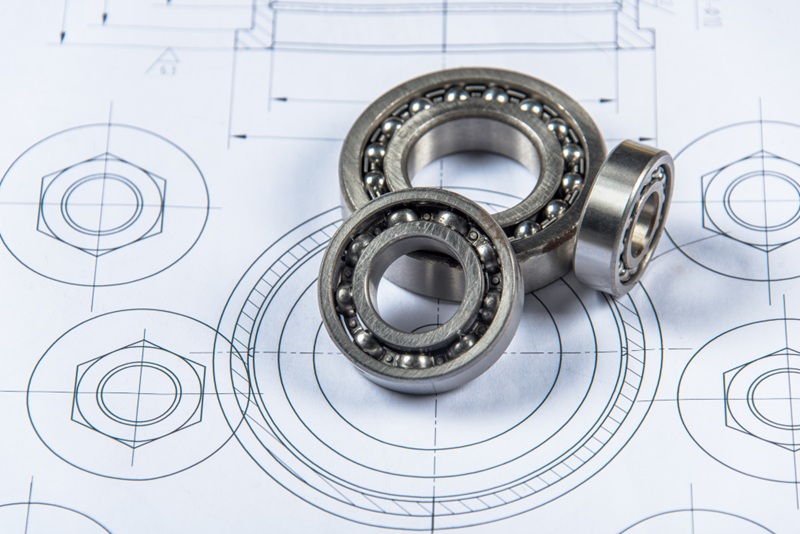
Understanding the Different Types of Bearings
Ball Bearings vs Roller Bearings: What’s the Difference?
When exploring bearing types, the roller bearing vs ball bearing debate comes up constantly. Ball bearings use spherical rolling elements, making them ideal for high-speed applications with moderate loads.
They’re versatile, cost-effective, and perfect for everything from electric motors to skateboard wheels and bearings.
Roller bearings, on the other hand, use cylindrical or tapered rolling elements. This design distributes load across a larger surface area, making them the go-to choice for heavy loads and shock resistance. Think conveyor systems, automotive axles, and industrial gearboxes.
Heavy Duty Bearings for Industrial Applications
For demanding environments, heavy duty bearings are non-negotiable. These robust components handle extreme loads, harsh conditions, and extended operational periods. Australian mining operations, agricultural machinery, and manufacturing plants all rely on these workhorses to keep things moving.
Racing Bearings and High-Speed Bearing Options
Speed demons need bearing high speed solutions designed for minimal friction and maximum performance. Racing bearings feature precision-ground components, specialised lubricants, and tighter tolerances.
Whether you’re building a competition vehicle or high-speed industrial equipment, these bearings deliver when performance matters most.
Specialist Bearings: Skateboard Wheels and Bearings Explained
Not all bearings go into industrial machinery. Skateboard bearings require their own set of considerations—speed ratings, durability, and weather resistance all play a role.
If you’ve searched for skateboard bearings Bunnings, you’ll know there’s quite a range available.
A reliable supplier should offer a comprehensive ball bearing guide covering these specialist applications too.
Read: Understanding Bearing Failures and Prevention – SKF Engineering Insights
Bearing Material Selection: Finding the Best Fit for Your Needs
Carbon Steel Ball Bearings: Pros and Cons
Carbon steel ball bearings remain the industry standard for good reason. They’re affordable, readily available, and perform brilliantly in most general applications.
The material offers excellent hardness and wear resistance, making it suitable for moderate loads and speeds.
However, carbon steel isn’t invincible. Corrosion can be an issue in wet or chemically aggressive environments. For outdoor Australian applications or food processing facilities, you might need to look at alternatives or sealed variants.
Polymer Ball Bearings: When Are They the Right Choice?
Polymer ball bearings shine where metal fears to tread. They’re corrosion-proof, lightweight, and don’t require lubrication.
Food and beverage manufacturing, marine applications, and medical equipment all benefit from these modern alternatives.
The trade-off? They generally can’t handle the same loads or temperatures as their metal counterparts. Bearing material selection always involves weighing up these compromises against your specific requirements.
What Is the Best Type of Bearing for Your Application?
Determining the best type of bearing depends entirely on your operational conditions. Consider factors like load type, speed requirements, environmental exposure, and maintenance capabilities.
A knowledgeable supplier will help you navigate these decisions rather than simply pushing their most profitable products.
.png)
Matching Bearings to Load Requirements
Which Bearing Type Is Best for Axial Load?
When forces push parallel to the shaft axis, you need an axial load bearing type designed for the job. Thrust bearings—both ball and roller varieties—excel here. Angular contact bearings offer a brilliant compromise when you’re dealing with combined axial and radial loads.
Choosing the Best Bearing for Radial Load Applications
For the best bearing for radial load applications, where forces act perpendicular to the shaft, deep groove ball bearings or cylindrical roller bearings typically fit the bill. The choice between them often comes down to load magnitude and speed requirements.
How Do I Know What Size Bearing I Need? Using a Bearing Size Calculator
Getting the sizing right is crucial. Most reputable manufacturers provide a bearing size calculator tool on their websites.
You’ll input shaft diameter, housing dimensions, and load specifications, and the calculator suggests appropriate options.
Don’t just guess—undersized bearings fail prematurely, while oversized ones waste money and space. Your supplier should offer technical guidance to confirm your calculations.
Key Qualities of a Reliable Bearing Manufacturing Company
Product Range and Technical Expertise
A trustworthy supplier stocks an extensive variety of different types of bearings. From standard catalogue items to specialised solutions, their range should cover most applications.
Beyond just selling products, they should demonstrate genuine technical knowledge and help you select the right components.
Quality Certifications and Industry Standards
Look for ISO certifications and compliance with relevant Australian standards. Quality assurance isn’t just paperwork—it represents consistent manufacturing processes, rigorous testing, and traceable materials.
Suppliers like Statewide Bearings Bibra Lake and Statewide Bearings Hobart have built reputations on these foundations.
Local Support and Distribution Networks in Australia
International suppliers might offer competitive pricing, but can they get parts to your regional Queensland site by tomorrow morning?
Local distribution networks mean faster delivery times, reduced shipping costs, and suppliers who understand Australian conditions and regulations.
Customer Service and After-Sales Support
When something goes wrong—and occasionally it will—you need suppliers who answer calls promptly and stand behind their products.
After-sales support separates partners from mere vendors. This includes technical troubleshooting, warranty handling, and ongoing maintenance advice.
Questions to Ask Before Partnering with a Bearing Supplier
Do They Offer a Comprehensive Ball Bearing Guide?
Educational resources signal a supplier invested in customer success. A thorough ball bearing guide covering types of bearings, selection criteria, and installation procedures shows they’re committed to more than just sales. These resources help you make informed decisions independently.
Can They Supply Both Standard and Custom Bearing Solutions?
Standard catalogue bearings handle most applications, but sometimes you need something unique. Suppliers offering custom solutions—modified dimensions, special materials, or unusual configurations—provide flexibility for challenging projects.
Ask about their custom manufacturing capabilities and minimum order quantities.
What Is Their Lead Time and Stock Availability?
Machinery doesn’t wait for backordered parts. Understanding typical lead times and stock levels prevents nasty surprises.
The best ball bearings suppliers maintain healthy inventories and communicate honestly about availability and delivery timeframes.
Red Flags to Watch Out for When Choosing a Bearing Supplier
Not every supplier deserves your business. Watch out for these warning signs:
- Prices that seem too good—counterfeit bearings are a genuine problem, and rock-bottom pricing often indicates questionable sourcing
- Vague or missing technical specifications—legitimate manufacturers document their products thoroughly
- No physical Australian presence—while online-only businesses exist, having local facilities provides reassurance
- Poor communication—if they’re hard to reach before you’ve placed an order, imagine trying to resolve problems afterwards
- Missing certifications—quality standards exist for reasons; bypassing them suggests corner-cutting
- Reluctance to provide references—established suppliers happily share customer testimonials
Trust your instincts. If something feels off during initial conversations, it probably is.
How Australian Businesses Can Source the Best Ball Bearings Locally?
Australian businesses benefit from strong local bearing supply networks. Major cities host multiple specialist suppliers, while regional areas are typically serviced through distribution partnerships.
Building relationships with established local suppliers like those in Western Australia and Tasmania ensures reliable access to quality components.
Consider joining industry associations or networking groups where other maintenance professionals share supplier recommendations.
Online reviews provide insights, but peer recommendations from businesses facing similar challenges prove invaluable.
Making a Confident Decision for Long-Term Success
Selecting a reliable bearing manufacturing company requires balancing multiple factors—product quality, technical support, pricing, and availability all play important roles.
Throughout this guide, we’ve explored how understanding bearing types, materials, and load requirements positions you to have informed conversations with potential suppliers.
Remember, the cheapest option rarely represents the best value. Downtime costs, premature replacements, and ongoing headaches quickly erode any initial savings from cut-price components. Instead, prioritise suppliers demonstrating genuine expertise, quality commitments, and reliable local support.
Your machinery deserves the best ball bearings matched precisely to its requirements. Take time to evaluate potential partners thoroughly, ask the tough questions, and trust suppliers who treat you as a valued customer rather than just another transaction.
With the right bearing manufacturer behind you, you’ll enjoy smoother operations, reduced maintenance costs, and genuine peace of mind. That’s a partnership worth investing in.
Ready to reduce downtime and improve machine performance? Partner with a trusted bearing manufacturer today and secure long-term operational reliability.
