
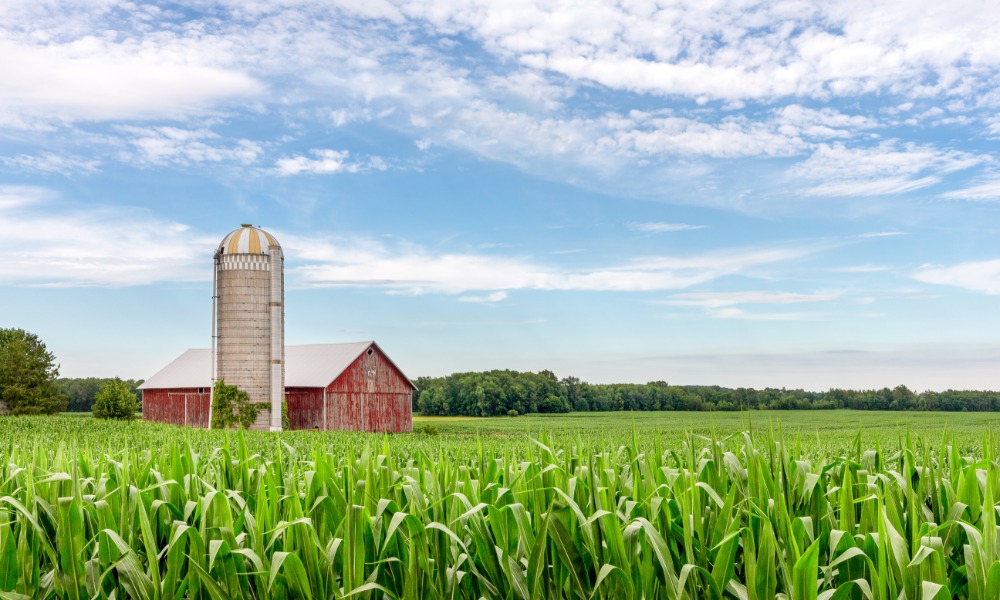
Inheriting family farmland can bring a complex mix of opportunity, responsibility, and emotion. A property that supported several generations may suddenly become part of your financial future, even if you’ve never farmed a single acre. You may also share ownership with siblings or other relatives who have very different ideas about what should happen next.
Those differences can turn a valuable inheritance into a difficult responsibility. Families often need to decide on ownership, expenses, income, maintenance, and long-term plans while navigating their personal connection to the land. Understanding the most common challenges with inherited family farmland can make those conversations more productive and help everyone make informed choices.
Shared Ownership Gets Complicated
Many farmland inheritances involve multiple heirs. A parent might, for example, leave equal shares of a farm to several children. Equal ownership may sound simple, but each person may have a different vision for the property.
One sibling may want to continue farming. Another may prefer to lease the land to a neighboring farmer. Someone else may want to sell their share and use the money for other financial goals.
Those competing plans can create tension when the family lacks a clear decision-making process. Owners need to discuss how they’ll handle major expenses, rental agreements, repairs, improvements, and possible sales. They also need to determine how much authority each owner has.
Clear written agreements can help family members understand their responsibilities before disagreements grow.
Emotions Can Shape Decisions
Family farmland often holds memories that extend far beyond its financial value. Someone may remember riding in a tractor with a grandparent or gathering around the farmhouse during holidays. Those experiences can shape how heirs approach the property.
One person may feel strongly about keeping every acre in the family. Another may appreciate the farm’s history while recognizing that ownership no longer fits their life.
Neither viewpoint offers a simple solution. Problems often arise when family members avoid discussing their emotional connections. Someone who wants to sell may seem insensitive to a sibling who views the land as part of the family’s identity.
Families can make better decisions when everyone clearly communicates their priorities. Open conversations create room for practical planning without dismissing the property’s personal significance.
Taxes Need Careful Attention
Inherited farmland can raise tax questions that heirs haven’t encountered before. The property’s value, ownership structure, income, and potential future sale can all affect financial decisions.
Families may need to understand how the property’s tax basis works after inheritance. They may also face property taxes, income taxes connected with rental payments, or tax consequences if they decide to sell the farm.
The details can vary considerably from one situation to another. State laws may also affect the outcome. For that reason, heirs often benefit from working with qualified tax and legal professionals who understand agricultural property.
Conversations about estate planning fundamentals can also help families understand how ownership transfers affect future generations. Even after someone inherits farmland, planning for the next transfer can prevent many of the same problems from appearing years later.
Farming May Not Fit Your Life
Inheriting farmland doesn’t automatically turn someone into a farmer. Many heirs live in another city, work full-time careers, or lack the equipment and experience needed to operate agricultural land.
A family member who wants to farm the property may face significant startup costs. Equipment, seed, fertilizer, insurance, fuel, and labor can create major expenses before the farm produces income.
Other heirs may choose to lease the property instead. Leasing can allow the family to retain ownership while an experienced farmer works the land. However, owners still need to negotiate lease terms, track income, and monitor the property.
Families should consider how much involvement they realistically want before choosing an operating arrangement.
Maintenance Costs Add Up
Farmland requires ongoing attention even when the owners don’t farm it themselves. Fences can deteriorate. Drainage systems may need repair. Access roads can develop problems after severe weather.
Buildings can create additional responsibilities. An old barn may need roof repairs, while a farmhouse could require plumbing or electrical work. Owners may also need insurance that covers structures, equipment, or liability risks.
Shared owners should decide how they’ll divide those expenses. Equal ownership doesn’t always mean every person has the same ability or willingness to contribute money.
A written budget can help everyone understand expected costs. Families can also establish a reserve fund for repairs rather than requesting money from each owner whenever a problem arises.
Land Use Can Cause Conflict
Not every family agrees about how inherited farmland should generate income. Some owners may want traditional crop production. Others may consider livestock, conservation programs, recreational leases, or different agricultural uses.
Families may also disagree about development. Farmland near a growing community can attract interest from builders or commercial buyers. A sale could create a substantial financial opportunity, but development could permanently change land that the family hoped to preserve.
Before making major land-use decisions, owners should review zoning requirements and existing leases. They should also consider soil conditions and utility access when evaluating new opportunities. A shared vision gives families a stronger foundation for making those choices.
Selling a Share Can Be Difficult
An heir who wants to leave a shared ownership arrangement may discover that selling part of a family farm isn’t simple.
A partial interest in farmland may attract fewer buyers than an entire property. Outside buyers may hesitate to purchase land when relatives control the remaining shares. Other family members may also lack the funds to purchase the departing owner’s interest immediately.
Families can prepare for this challenge by creating a buyout process. An agreement can explain how owners will determine the property’s value and how relatives can purchase another owner’s share.
Some families use installment arrangements to make buyouts more manageable. Others restructure ownership through a business entity that provides clearer procedures for transferring interests. Professional advice can help owners choose an approach that fits their circumstances.
Property Boundaries May Surprise You
Families sometimes inherit farmland without a complete understanding of its boundaries. Old fences don’t always follow legal property lines, and informal agreements between neighbors may have existed for decades.
Questions can also arise around easements. A neighboring landowner may use a road across the property, or a utility company may hold rights that affect part of the farm.
Heirs should review deeds and surveys before planning major improvements or sales. Updated information can reveal restrictions or access issues that owners hadn’t considered.
Family Communication Takes Work
Farmland disputes often grow when relatives stop communicating. One person may handle rental payments while another manages repairs. Someone else may live several states away and receive only occasional updates. That arrangement can create suspicion even when everyone has good intentions.
Regular communication can prevent small concerns from turning into major disagreements. Owners can schedule meetings to discuss income, expenses, maintenance, and upcoming decisions. They can also keep financial records where everyone can review them.
Families don’t need to agree on every detail immediately. They do need a process that gives each owner access to accurate information and a chance to participate in important decisions.
Planning Can Protect the Farm’s Future
Inherited family farmland can bring challenges and responsibilities that extend beyond deciding whether to keep or sell the property. Owners must understand their financial obligations, legal rights, and relationships with other heirs.
Those conversations may feel uncomfortable, especially when the property carries generations of family history. Avoiding difficult decisions usually creates more problems later, though. Clear communication and professional guidance can give families a practical path forward.
The best solution will depend on the land and the people who inherit it. Some families will continue farming, while others will lease or sell. Whatever direction they choose, thoughtful planning can help them protect their relationships while making responsible decisions about a valuable family asset.
