
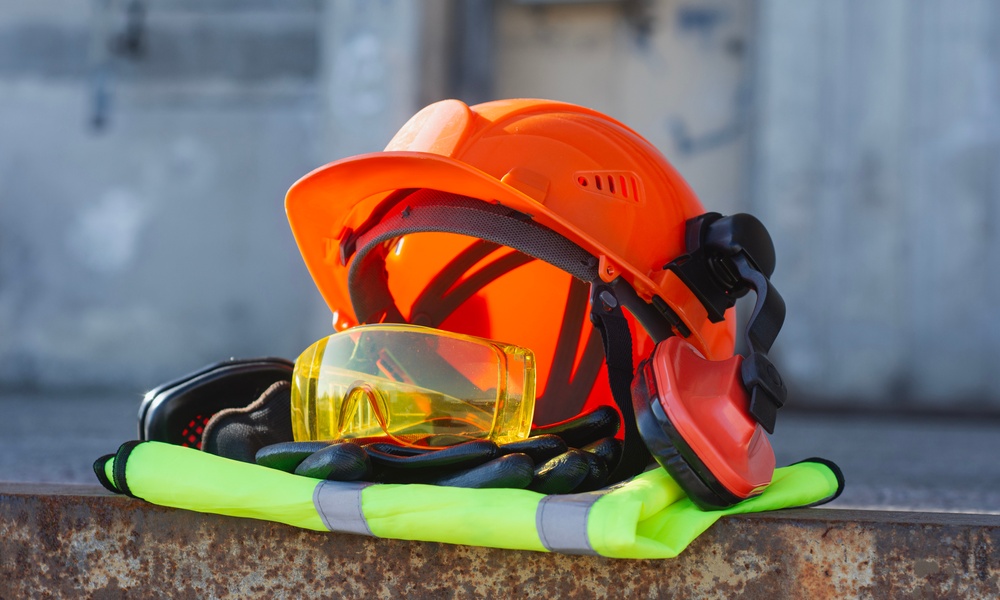
Personal protective gear plays an important role in keeping you safe while you work. Whether you spend your day on a construction site, in a warehouse, around heavy equipment, or inside a manufacturing facility, the right gear helps reduce your exposure to workplace hazards. However, simply owning personal protective equipment (PPE) does not guarantee protection. How you select, wear, inspect, clean, and store your equipment matters just as much. Avoiding common PPE mistakes can help you stay safer and get more value from the equipment you use every day.
Choosing PPE Based on Comfort Alone
Comfort matters when you wear protective equipment for several hours, but it should never become your only consideration. Some workers choose thinner gloves, lighter eyewear, or less restrictive clothing because those options feel better during a long shift.
Always consider the hazards associated with your specific job first. Protective gear should provide an appropriate level of protection while still allowing you to work comfortably and efficiently. Finding that balance helps you avoid unnecessary risks without making your job more difficult.
Wearing the Wrong Size
Poorly fitting PPE can reduce protection and create new hazards. Oversized gloves can make it harder to grip tools, while loose safety glasses may slide down your face. A hard hat that moves around excessively can also distract you while you work.
Equipment that fits too tightly causes problems as well. Tight gloves can restrict movement, and uncomfortable footwear can make long shifts harder on your feet.
Check sizing information before selecting PPE and adjust equipment whenever possible. Proper sizing should give you protection without interfering with normal movement.
Ignoring Signs of Wear and Damage
Protective equipment does not last forever. Regular use, exposure to chemicals, sunlight, moisture, extreme temperatures, and physical damage can gradually weaken PPE.
Inspect your equipment before you start working. Look for problems such as:
- Cracks or dents in hard hats
- Scratched or damaged safety lenses
- Holes, tears, or worn areas in gloves
- Broken straps, buckles, or fasteners
- Worn soles or damaged protective footwear
- Frayed harnesses or damaged webbing
Never assume minor damage has no effect on performance. Replace equipment when damage compromises its ability to protect you.
Using the Same PPE for Every Job
One pair of gloves or one type of safety eyewear cannot protect you from every possible hazard. Different tasks create different risks, so your PPE needs may change throughout the day.
For example, gloves that protect your hands from abrasion may not provide adequate chemical resistance. Likewise, ordinary safety glasses may not offer enough protection for a task that creates significant flying debris.
Evaluate the task before you begin. Consider hazards such as chemicals, sharp materials, heat, noise, falling objects, and airborne particles. Then select equipment that matches those specific risks.
Wearing PPE Incorrectly
Even high-quality equipment cannot work properly when you wear it incorrectly. Workers sometimes loosen straps, modify equipment, remove uncomfortable components, or wear PPE in ways that manufacturers never intended.
Take time to learn how each piece of equipment should fit and function. Adjust hard hats, respirators, hearing protection, harnesses, and other gear according to the manufacturer’s instructions and workplace requirements.
Avoid modifying protective equipment to improve comfort. Cutting, drilling, removing parts, or making unauthorized changes can compromise the protection that the equipment provides.
Forgetting To Clean Your Gear
PPE can collect dirt, sweat, grease, chemicals, and other contaminants during normal use. Leaving those materials on your equipment can shorten its lifespan and make it unpleasant to wear.
Follow the manufacturer’s cleaning recommendations instead of using whatever cleaner you have nearby. Harsh chemicals can damage certain plastics, fabrics, coatings, and other materials.
Cleaning also gives you another opportunity to inspect your equipment. You may notice cracks, worn areas, or other problems that you missed during a quick inspection at the beginning of your shift.
Storing PPE Wherever It Fits
Throwing your protective gear into the back of a truck, toolbox, locker, or equipment bin may seem convenient, but improper storage can cause unnecessary damage.
Heat, moisture, sunlight, chemicals, and heavy objects can affect protective equipment. Store your PPE in a clean, dry location away from conditions that could damage it. Keep equipment organized so you can easily inspect it before your next shift.
Good storage practices also help prevent contamination. You do not want clean gloves, respirators, or eyewear sitting next to dirty tools or chemical containers.
Keeping Equipment Long Past Its Useful Life
Many workers hesitate to replace PPE because it still looks usable. However, appearance does not always tell you whether protective equipment can continue performing properly.
Some equipment has manufacturer-recommended replacement schedules, while other items require replacement based on condition and use. Exposure to certain hazards may also require immediate replacement.
Learn the recommendations for each type of PPE you use. Keeping equipment longer than recommended may save money temporarily, but it can reduce your protection when you need it most.
Neglecting Your Work Gloves
Work gloves often experience significant wear because they constantly contact tools, equipment, building materials, and other surfaces. Yet workers sometimes treat gloves as disposable items instead of maintaining them properly.
Regular cleaning, proper storage, and frequent inspections can help extend their useful life. Making your work gloves last longer also requires choosing the correct glove for the job. Using lightweight gloves for demanding tasks can cause premature wear, while exposing incompatible materials to chemicals can quickly damage them.
Replace gloves when holes, worn coatings, damaged seams, or other problems reduce their protective performance.
Forgetting About Eye Protection
Workers sometimes skip safety glasses during tasks that appear quick or easy. Unfortunately, flying particles, dust, liquids, and debris can reach your eyes in seconds.
Wear appropriate eye protection whenever the task presents an eye hazard, regardless of how long you expect the work to take. You should also keep lenses clean so dirt and scratches do not interfere with visibility.
Do not rely on ordinary prescription glasses for workplace eye protection unless they meet the appropriate safety requirements. Depending on the task, you may need safety glasses, goggles, or additional face protection.
Overlooking Hearing Protection
Hearing damage can develop gradually, which makes noise hazards easy to underestimate. You may feel tempted to remove earplugs or earmuffs when they become uncomfortable or when you need to communicate with coworkers.
Instead, choose hearing protection that suits the noise level and work environment. Make sure earplugs fit correctly and inspect earmuffs for damaged cushions or components.
Consistent use matters. Frequently removing your hearing protection in a noisy environment can increase your exposure even if you wear it during most of your shift.
Sharing Personal Protective Equipment Carelessly
Some workplaces share certain types of protective equipment between employees. When that happens, cleaning and inspection become especially important.
Do not simply grab shared PPE and assume someone else checked it. Inspect the equipment yourself before use. Clean shared items according to workplace procedures, particularly when the equipment contacts the face or skin.
Personal items such as earplugs and certain respirator components may require individual assignment. Follow workplace rules and manufacturer recommendations rather than treating every piece of PPE as interchangeable.
Treating PPE as Your Only Safety Measure
Personal protective equipment provides an important layer of defense, but you should not treat it as your entire safety strategy. Safe work practices, equipment guards, ventilation, hazard controls, training, and proper procedures all contribute to workplace safety.
Use PPE alongside these other precautions rather than as a replacement for them. Pay attention to changing conditions, inspect your equipment regularly, and speak up when you notice damaged gear or an unexpected hazard.
Good PPE habits require consistency. When you choose the correct equipment, wear it properly, maintain it carefully, and replace it when necessary, you give your protective gear the best chance to perform as intended every time you work.
