
Your tires are constantly exposed to road hazards that shorten their lifespan and affect overall vehicle performance. Many drivers focus on routine maintenance but overlook the everyday road conditions that create unnecessary wear.
Recognizing these hazards helps you protect your tires and avoid expensive replacements. Smart driving habits combined with regular inspections can significantly extend tire life.
Potholes Cause Lasting Damage
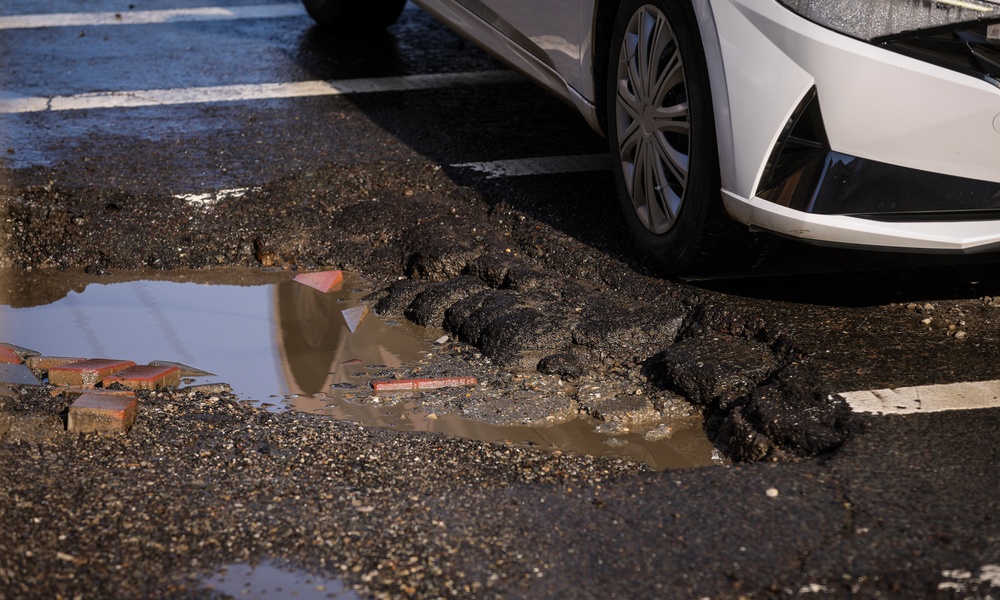
Potholes rank among the most common threats to tire health. A hard impact can weaken the tire’s internal structure, damage the sidewall, or knock the wheels out of alignment. Even one severe strike can create problems that continue long after the impact. Drivers should slow down when road conditions allow and avoid potholes whenever possible.
Rough Road Surfaces Increase Wear
Broken pavement, loose gravel, and uneven roads place extra stress on every tire. Constant vibration causes tread to wear faster than normal and may reduce overall traction. Sharp rocks can also cut rubber and create small punctures that worsen over time. Frequent travel on rough roads makes regular tire inspections even more important.
Debris Creates Unexpected Risks
Road debris appears without warning and often causes immediate tire damage. Metal objects, broken glass, construction materials, and fallen branches all threaten tire integrity.
Drivers cannot always avoid every obstacle, but maintaining a safe following distance provides more time to react. Quick inspections after driving through debris can reveal damage before it becomes dangerous.
Watch for Hidden Tire Damage
Not every tire problem appears immediately after contact with a road hazard. Some impacts cause internal damage that remains invisible until the tire begins to lose air or develops unusual vibrations.
Understanding the types of tire damage that are not repairable helps drivers recognize when replacement is the safest option rather than attempting a repair. Professional inspections provide valuable peace of mind after significant road impacts.
Weather Changes Road Conditions
Rain, extreme heat, and freezing temperatures all contribute to shorter tire life. Water hides potholes while heat increases tire pressure and accelerates rubber deterioration.
Cold temperatures harden rubber compounds and reduce flexibility during winter driving. Seasonal weather requires drivers to adjust their driving habits and inspect tires more frequently.
Habits That Reduce Tire Wear
Preventing road hazard damage starts with consistent maintenance and careful driving. Small adjustments often make a noticeable difference in tire longevity. Consider these practical habits to protect your investment:
- Check tire pressure at least once each month.
- Rotate tires according to the manufacturer’s schedule.
- Inspect tread and sidewalls after rough road conditions.
- Keep wheels properly aligned after hard impacts.
- Replace damaged tires before they create larger safety concerns.
Regular Maintenance Supports Longer Tire Life
No driver can eliminate every road hazard that can affect their tires, but proper maintenance reduces their impact. Routine inspections help identify developing issues before they become expensive or dangerous.
Safe driving habits also reduce unnecessary stress on tires throughout every season. Paying close attention to road conditions and responding quickly to damage helps maximize tire life while improving overall driving safety.
