
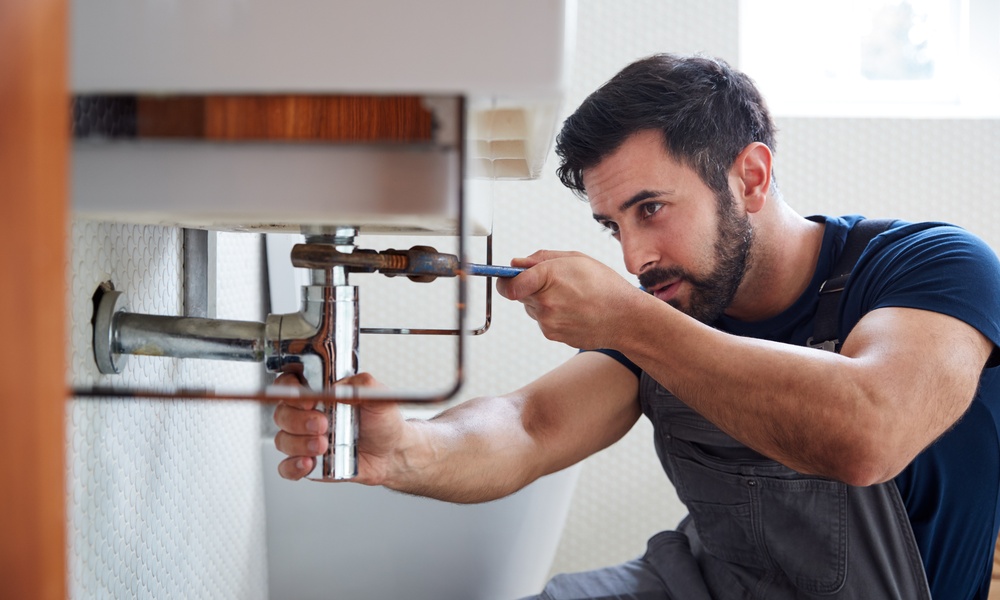
Owning a home involves staying on top of regular maintenance to prevent expensive emergencies. When left unaddressed, plumbing issues can escalate into major damage. To avoid expensive repairs, explore some DIY plumbing checks all homeowners should perform annually. By following this advice, you can keep your plumbing system in good shape.
Inspect Faucets and Showerheads
Start by examining all faucets and showerheads. Dripping water can increase your water bill and signal more serious plumbing problems. During this check, look out for persistent drips after use, mineral buildup around joints, and water stains below sinks.
Detect leaks early by feeling for dampness, searching for mold, or spotting warped wood. If you notice these signs, replace old seals or worn-out supply lines immediately. If you have any active leaks, tighten connections and clean out the aerators to improve water flow and efficiency.
Test Water Pressure
Low water pressure makes daily tasks frustrating, so attach a pressure gauge to an outside spigot to measure the flow. If your reading falls below 40 PSI (pounds per square inch) or exceeds 80 PSI, you may need to troubleshoot clogs or pressure regulator issues.
Scan Toilets for Leaks
To check your toilet for leaks, add a few drops of food coloring in the tank, and wait fifteen minutes without flushing. If the color appears in the bowl, your flapper valve is likely leaking and needs to be replaced. Also, make sure to listen for hissing sounds or running water after flushing.
Examine Your Water Heater
Inspect your water heater for unusual noises, leaks, and signs of rust. Flush your tank to remove sediment buildup, prolong its lifespan, and keep it running efficiently. Additionally, always ensure the temperature is set between 120 and 140 degrees Fahrenheit.
Analyze Your Septic Tank Lid
A secure septic tank lid protects your system and prevents accidents from occurring, so regularly check for signs your septic tank lid might be broken. If you notice odors, visible damage, or if the lid feels loose rather than solid, it may be broken. To guarantee the safety of your system, contact a qualified plumber to replace it immediately.
Now that you’re aware of these DIY checks all homeowners should perform annually, you can take the necessary steps to avoid costly repairs and sudden breakdowns. If you encounter anything concerning or beyond your skill level, contact a licensed plumber immediately. By staying proactive, you’ll keep your plumbing system reliable for years to come.
