
Discover how DNA testing in India helps personalise nutrition, fitness, and preventive healthcare through actionable genetic insights.
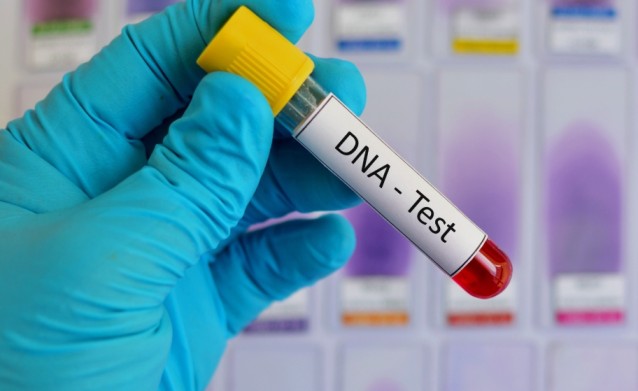
Health-focused DNA testing is helping Indians make informed decisions about nutrition, fitness, and preventive healthcare.
A dna test five years ago would mean only one thing in India: paternity or a criminal case. This was its only connection. Genetics meant court cases and TV series, but nothing about healthcare.
It all happened much quicker than expected. Today, a dna test will tell you what makes you accumulate fat around the waistline, despite your daily workout routine, what makes you nervous after drinking two coffees, and your colleague feel energized after three, why you suffer from a lack of vitamin D in the country that gets maximum sunshine, and if the hereditary risk of diabetes is high in your family genes.
Such a drastic change in the meaning of genetics for Indians is contributing to their growing use of this test.
What a Health-Focused DNA Test Actually Examines
The consumer dna test market has split into two categories that matter more than buyers realise.
Ancestry tests tell you where your forebears came from. Interesting at dinner. Clinically useless.
Health-focused panels examine gene variants with documented effects on bodily functions.
Published peer-reviewed research establishing clear associations between variants and outcomes. Applied genomics, not speculative wellness.
Areas covered include metabolic function via FTO and PPARG, influencing fat storage and insulin sensitivity; nutrient processing via MTHFR for folate and VDR for vitamin D; exercise response via ACTN3 for muscle fibre type and ACE for cardiovascular adaptation; caffeine metabolism via CYP1A2; and inflammatory tendency via IL6 profiles.
Each has practical implications. MTHFR status tells practitioners whether standard folic acid works for your body or whether you need the methylated form.
That single finding changes supplementation for roughly thirty to forty per cent of the population carrying impaired variants.
Why India’s Health Context Makes This Relevant
India sits in a uniquely difficult position when it comes to lifestyle diseases. Close to ninety million adults are currently living with diabetes, according to IDF data, many diagnosed years later than they should have been.
Cardiovascular disease is arriving a full decade earlier than in Western populations. Thyroid disorders climbing steadily in urban centres across the country.
These are not random misfortunes. They are conditions with significant genetic loading that interact with environmental and dietary triggers in ways that are increasingly well understood.
A dna test quantifies your predisposition, so intervention happens upstream rather than after the disease develops.
FTO variants associated with appetite regulation difficulty and abdominal fat storage mean an Indian professional following standard caloric deficit may see slow results. Not poor discipline.
Biology responds differently to restriction. A practitioner with this context adjusts macronutrients rather than cutting calories further.
CYP1A2 has particular relevance here. Slow caffeine metabolisers, more common in Asian populations than many realise, get elevated heart rate, sleep disruption, and anxiety from doses that give fast metabolisers a productive morning.
Knowing this saves months of investigating symptoms doctors might otherwise pursue as cardiac or anxiety issues.
Where Value Sits and Where It Doesn’t
Honesty matters. A dna test shows predisposition and tendency. Not destiny. High-risk FTO variant doesn’t guarantee obesity. It means your body works harder against that tendency, and knowing that changes the approach.
Real value sits in three areas. Targeted supplementation based on metabolic capacity. Exercise programming aligned to genetic muscle fibre profile and recovery traits.
Early monitoring of conditions your genetics load toward, particularly diabetes, cardiovascular disease, and thyroid dysfunction, which dominate India’s chronic disease burden.
Value thins in the over-promising consumer space. Kits marketed as complete blueprints telling you “exactly what to eat” overstate what genetics determines alone.
Microbiome, stress, sleep, and current metabolic status all matter alongside genetic data. Genetics is one critical layer. Not the whole picture.
Access and Cost Today
Health panels are available through clinical genomics companies, functional medicine practitioners, and a growing number of direct-to-consumer platforms operating across Indian cities.
Pricing has dropped substantially over the past three years. Basic panels covering metabolic and nutrient genes start around Rs 5,000 to Rs 10,000.
Comprehensive panels incorporating cardiovascular, pharmacogenomic, and fitness markers range from Rs 15,000 to Rs 35,000.
Results typically arrive within three to six weeks. Testing requires only a saliva sample or cheek swab collected at home.
Interpretation quality varies the most. Raw data without competent clinical reading produces confusion.
Patients need practitioners who understand both genomics and application, not just automated kit reports.
Conclusion
The dna test market in India has moved well past novelty into genuine clinical utility for patients willing to use genetic insights as one component of a personalised health strategy.
The scientific evidence underpinning important associations between genetics and health is strong and constantly building.
The testing facilities are available and increasingly cost-effective in all the big cities in India.
All that needs to happen is for more individuals and clinicians to appreciate the fact that genetic information combined with functional and metabolic testing provides a degree of customization that traditional generalized medical advice can never achieve. Genetics do not predetermine your fate.
However, genetics influences enough aspects of our lives to make testing well worth its cost.
Ready to take a proactive approach to your health? Explore how a professional DNA test can provide personalised insights into nutrition, fitness, and preventive healthcare, helping you make informed decisions for long-term wellbeing.
