
Plasma donation is more than just a noble act—it’s a lifeline for thousands of patients who rely on life-saving therapies derived from donated plasma. From individuals managing immune deficiencies to those undergoing major surgeries, the need for plasma is constant and urgent. For Utah residents, participating in this critical mission is both accessible and deeply impactful. With numerous donation centers available and thorough safety measures in place, donating plasma in Utah has never been easier or more rewarding.
This guide provides a comprehensive overview of the plasma donation journey, from preparation to post-donation care. Whether you’re a first-time donor or a seasoned contributor, understanding the process, dispelling common myths, and recognizing your role in the larger healthcare ecosystem will empower you to give confidently and frequently.
The Journey from Registration to Donation: What Potential Donors Should Know
A Step-by-Step Guide to Donating Plasma
Saving lives through plasma donation may seem complex at first, but the process is streamlined and donor-friendly. Donating plasma in Utah begins with choosing a reputable center.
Step 1: Registration
Registration involves a health questionnaire that covers your medical history, lifestyle choices, and any risk factors. Be prepared to present a valid photo ID and your Social Security number for proper documentation.
Step 2: Health Screening
A comprehensive health screening follows registration. Technicians check your vital signs, hemoglobin levels, and conduct a physical exam to ensure you’re healthy enough to donate.
Step 3: Plasma Donation
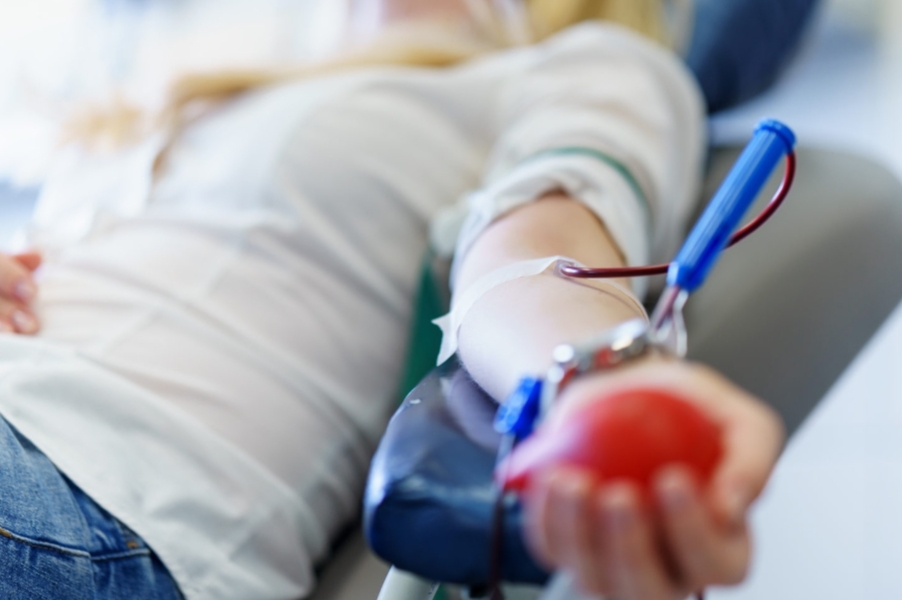
Once cleared, you’ll be seated comfortably as a needle is inserted into a vein. A specialized machine collects your blood, separates the plasma, and returns the other components to your body. This takes around 45 minutes.
Step 4: Post-Donation Recovery
After donating, take some time to relax. Most centers offer refreshments to help replenish your fluids and energy. Staff will also advise you on aftercare to ensure a smooth recovery.
Safety First: How Plasma Donation is Regulated
The FDA imposes stringent regulations on plasma donation to protect both the donor and the recipient. Facilities in Utah must meet federal and state standards, including:
Sterile, hygienic environments
- Licensed healthcare professionals on-site
- Ongoing staff training
- Mandatory infectious disease screening for all plasma samples
In addition to federal oversight, donating plasma in Utah is governed by state-specific laws ensuring privacy and ethical handling of biological materials. Donors can feel confident knowing their contribution meets the highest safety standards.
Common Myths vs. Facts: Dispelling Plasma Donation Fallacies
Misinformation can discourage potential donors. Let’s set the record straight:
- Myth: Plasma donation is painful.
- Fact: Most donors report only mild discomfort, similar to a routine blood draw.
- Myth: The body can’t replace donated plasma quickly.
- Fact: The human body typically replenishes plasma within 24 hours.
- Myth: You can only donate once or twice a year.
- Fact: Healthy individuals can donate plasma up to twice a week, with at least one day between donations.
Educational campaigns at Utah donation centers aim to debunk these myths and encourage wider participation.
Why Donating Plasma Matters: Impact on Health and Community
The Science of Plasma
Plasma, primarily composed of water and proteins like immunoglobulins and clotting factors, plays an essential role in maintaining bodily functions. Once donated, plasma undergoes processing to ensure safety before being turned into therapies for:
- Hemophilia
- Immune disorders
- Liver diseases
- Surgical and trauma-related bleeding
Cutting-Edge Therapies
Scientific advancements continue to explore new uses for plasma, such as:
- Wound healing solutions
- Regenerative medicine treatments
- COVID-19 antibody therapies
- Autoimmune disease research
Every act of donating plasma in Utah supports this vital research.
True Tales: How Plasma Donations Save Lives
John’s Story: Fighting Immune Deficiency
John, a father from Ogden, was diagnosed with a rare immune deficiency that required regular plasma-derived immunoglobulin treatments. Thanks to donors, he leads a fulfilling life with his family.
Jane’s Recovery: Surviving Liver Failure
After an emergency liver transplant, Jane required plasma infusions during surgery. The availability of plasma directly contributed to her survival and long-term recovery.
These stories reflect just a fraction of the lives improved by consistent plasma donations. From newborns with genetic conditions to trauma victims, plasma’s reach is vast and deeply personal.
Preparing for Your Plasma Contribution: Hints for a Positive Encounter
Proper preparation and aftercare are essential components of a safe and successful plasma donation experience. Whether you’re a first-time donor or a regular contributor, following these guidelines can improve your comfort, enhance the quality of your plasma, and support a faster recovery.
Pre-Contribution Checklist: How to Prepare Effectively
A smooth plasma donation starts long before you enter the center. Preparation can help reduce complications, prevent disqualification, and improve how your body responds.
1. Hydrate Thoroughly
Begin hydrating 24 to 48 hours before your donation. Plasma is approximately 90% water, so your body needs plenty of fluids to ensure a good volume for collection. Aim to drink at least 8–10 glasses of water daily leading up to your appointment. Avoid caffeinated or alcoholic beverages as they can dehydrate you.
2. Eat a Healthy, Balanced Meal
Eat a nutritious meal one to two hours before donating. Focus on foods rich in:
Protein: chicken, eggs, fish, tofu, legumes
Iron: spinach, red meat, lentils, fortified cereals
Vitamin C: oranges, strawberries, bell peppers (which help with iron absorption)
Avoid fatty foods like burgers, fried items, or fast food. High-fat meals can affect the clarity of your plasma, potentially making it unusable for processing.
3. Get Enough Rest
Being well-rested can positively impact your blood pressure and general well-being. Try to get a full night of sleep (7–9 hours) the evening before your donation.
4. Dress Appropriately
Wear loose, comfortable clothing with sleeves that can easily be rolled up. This allows staff quick access to your arms without discomfort. Some centers are chilly, so consider bringing a light jacket.
5. Bring Required Identification and Entertainment
Most centers require a government-issued photo ID and your Social Security number (or relevant documentation). Also, since the donation process takes about 45–90 minutes, bringing headphones, a book, or a charged phone can help pass the time.
6. Schedule Your Day Accordingly
Plan to rest for at least an hour or two after your donation. Avoid strenuous activities or heavy lifting for the rest of the day. Ideally, arrange transportation or ensure you’re not in a rush after the procedure.
By taking these steps, you set yourself up for a successful, safe, and comfortable experience while donating plasma in Utah.
Post-Donation Attention: Confirming Your Health and Well-being
What you do after donating is just as important as your preparation. Proper aftercare ensures a quick and healthy recovery and reduces the risk of side effects.
1. Rest Immediately After
Most centers have designated recovery areas with drinks and snacks. Sit and relax for at least 10–15 minutes after your donation to allow your body to adjust.
2. Rehydrate and Refuel
Continue drinking plenty of water throughout the day to help your body restore the fluid volume lost. Pair hydration with meals rich in protein and iron to support your immune system and energy levels.
Some great post-donation snacks include:
- Peanut butter on whole grain toast
- Yogurt with granola
- A small turkey sandwich
- Bananas or trail mix
- 3. Avoid Physical Strain For the next 24 hours:
Refrain from exercise or heavy lifting
Avoid prolonged exposure to heat (like hot tubs or saunas)
Take it easy—even regular chores can wait
This gives your circulatory system and muscles time to recover without additional strain.
4. Monitor the Puncture Site
Keep the bandage on for several hours. Avoid getting the area wet, and don’t remove the tape prematurely. Watch for signs of excessive bleeding, swelling, or bruising. If you notice anything unusual, contact your donation center or healthcare provider.
5. Track Your Symptoms
Mild fatigue, light-headedness, or minor bruising are normal. However, if you experience any of the following, seek medical attention:
Persistent dizziness or fainting
- Nausea or vomiting
- Swelling or pain at the donation site
- Unusual weakness lasting more than a day
Paying attention to how your body feels ensures that you’re ready for your next appointment and that your health remains the top priority.
Frequently Asked Questions: Clearing Up Any Doubts
Plasma donation is safe and accessible, but newcomers often have questions. Here are answers to the most commonly asked concerns about donating plasma in Utah:
Who Can Donate Plasma?
To be eligible, you must meet the following basic requirements:
- Be at least 18 years old
- Weigh at least 110 pounds (50 kg)
- Be in good general health
- Provide valid identification (photo ID and Social Security number
- Pass a medical screening
Some conditions or medications may temporarily disqualify you. Always check with your donation center if you have specific health concerns.
How Often Can I Donate Plasma?
You can donate plasma twice in a seven-day period, with at least one full day between donations. This frequency helps maintain a stable plasma supply while protecting donor health.
Is Plasma Donation Painful?
Most donors report only mild discomfort:
You’ll feel a quick pinch during needle insertion.
The donation itself is painless.
Minor side effects like fatigue or slight soreness at the puncture site are normal but temporary.
What Happens to the Plasma After Donation?
Once collected, your plasma is:
Tested rigorously for infectious diseases
Sent to licensed labs for further processing
Used in treatments for trauma victims, transplant patients, people with immune deficiencies, and more.
Some plasma is also used in medical research to help develop new therapies and improve public health outcomes.
Can I Be Compensated for Donating Plasma?
Yes. Most centers in Utah offer compensation ranging from $20 to $50 per donation, along with promotional bonuses and loyalty incentives. Compensation helps support frequent donations and is a recognition of the time and effort involved.
Make a Lasting Impact Today
Whether you’re motivated by community service, scientific advancement, or personal stories of recovery, donating plasma in Utah is a powerful way to make a difference. With accessible locations, reliable compensation, and a straightforward process, there’s every reason to participate.
Each donation has the potential
to transform lives, fuel medical breakthroughs, and bring hope to families in need. By understanding the process and embracing your role, you become part of a compassionate movement shaping the future of healthcare—one plasma contribution at a time.
