
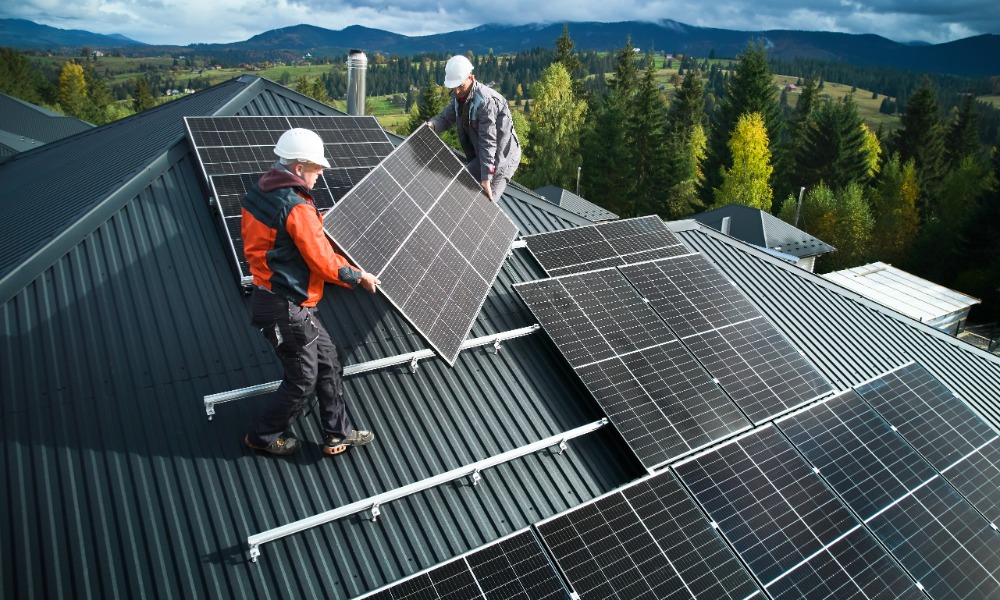
Solar energy continues to expand as businesses and homeowners seek cleaner alternatives to traditional power sources. However, installing and maintaining solar equipment introduces workplace hazards that require careful planning. Solar professionals regularly work with electrical systems, at heights, and in unpredictable environmental conditions that can threaten their safety without proper precautions.
Establishing essential workplace safety practices for solar teams helps contractors protect employees while maintaining productive operations. Strong safety procedures also reduce costly interruptions and encourage greater accountability across projects.
Conduct Thorough Safety Assessments Before Starting Work
Every solar installation presents unique challenges depending on the property’s layout and existing electrical infrastructure. Before beginning a project, supervisors should evaluate potential hazards and identify conditions that could affect worker safety. This assessment should cover roof stability, equipment access, and environmental factors that might interfere with installation work.
A comprehensive job hazard analysis helps teams recognize potential problems before they become serious incidents. Supervisors should discuss their findings with employees and explain the precautions necessary for specific tasks. Workers must also understand how to report unexpected hazards that arise during installation.
Safety assessments should continue throughout the project, not just during initial planning. Changing weather conditions or newly discovered structural concerns may require additional precautions. Regular evaluations allow supervisors to adjust procedures and prevent unnecessary exposure to dangerous situations.
Provide Appropriate Personal Protective Equipment
Personal protective equipment serves as an important defense against workplace injuries. Solar contractors should select protective gear based on the hazards of each assignment. Selecting the right equipment requires careful consideration of electrical exposure, working heights, and the physical demands of installation.
Essential protective equipment for solar installation teams may include:
- Safety helmets: Protect workers against falling objects and potential head injuries.
- Fall protection equipment: Helps prevent serious injuries during elevated installation work when workers use properly designed systems.
- Electrical protective gloves: Protect against electrical hazards when their ratings match the task.
- Safety footwear: Improves traction and protects feet against common construction hazards.
- Protective eyewear: Shields workers against debris during drilling or equipment installation.
Employers should follow applicable OSHA requirements when selecting equipment and establishing inspection procedures.
Establish Strict Electrical Safety Procedures
Electrical hazards are among the most serious risks solar installation professionals face. Photovoltaic panels can generate electricity whenever sufficient light reaches their surfaces, even when workers disconnect other system components. This characteristic requires specialized precautions during installation and maintenance.
Solar teams should establish clear procedures to identify energized components and control electrical exposure. Qualified workers must verify electrical conditions using appropriate testing equipment before performing tasks that require de-energization.
Electrical safety training should address the differences between alternating-current and direct-current systems. Employees must understand that certain photovoltaic circuits may remain energized during daylight hours. Clear communication and proper isolation methods reduce the risk of electrical shock or arc-related injuries.
Maintain Consistent Equipment Labeling and Identification
Accurate equipment identification is critical to workplace electrical safety. Solar installations often include multiple disconnect switches and electrical circuits that require specific handling procedures. Without clear identification, workers may struggle to determine which components control particular sections of a system.
Understanding why solar contractors need consistent labeling systems helps companies establish safer maintenance practices. Standardized labels communicate important electrical information and identify potential hazards throughout solar installations. Consistency also helps technicians quickly recognize equipment across different projects.
Proper labeling supports more than regulatory compliance. It helps maintenance professionals identify equipment accurately and reduces confusion when multiple contractors work on the same installation. However, labels must complement proper training and electrical verification procedures, not replace them.
Prioritize Fall Prevention During Rooftop Installations
Rooftop solar installations expose workers to significant fall hazards. Sloped surfaces and limited walking areas can make handling equipment especially dangerous. Contractors must establish appropriate fall protection measures before allowing employees to begin elevated work.
Supervisors should evaluate roof conditions and choose protective systems that best suit the installation environment. Depending on applicable regulations and site conditions, workers may require guardrails or personal fall arrest systems. Proper anchor selection and equipment compatibility remain essential for effective protection.
Workers should also keep walking paths clear and avoid placing unnecessary materials near roof edges. Supervisors must monitor changing surface conditions, particularly after rainfall. A strong fall prevention program combines appropriate equipment with consistent training and careful supervision.
Implement Safe Material Handling Practices
Solar panels and mounting components can create significant physical demands during installation. Their dimensions often make transportation difficult, particularly when workers navigate ladders or confined access areas. Improper lifting techniques may contribute to muscle strains and other injuries.
Contractors should assess material-handling requirements before delivering equipment to the installation site. Mechanical lifting devices can reduce physical strain while helping crews transport heavy components more efficiently. Workers should receive training in safe lifting methods and recognize when they need additional assistance.
Supervisors must also establish secure storage areas for panels and installation materials. Unstable stacks can shift unexpectedly, creating dangerous conditions. Organized storage practices reduce unnecessary handling and help prevent damage to expensive solar equipment.
Monitor Weather and Environmental Conditions
Outdoor solar installations expose workers to changing environmental conditions throughout the workday. Extreme temperatures can increase physical stress, while strong winds may compromise balance during rooftop activities. Lightning presents additional dangers for teams working around elevated metal structures.
Supervisors should monitor weather forecasts and establish clear guidelines for suspending unsafe operations. Workers need access to drinking water and appropriate rest opportunities during hot weather. Employers should also encourage employees to recognize early symptoms of heat-related illness.
Environmental safety requires flexibility because conditions can change quickly. Contractors should never pressure employees to keep working when conditions are dangerous to maintain project schedules. Adjusting work assignments or postponing installation tasks can prevent serious accidents.
Strengthen Safety Through Training and Communication
Effective workplace safety practices depend on employees understanding their responsibilities. Solar contractors should provide training that addresses installation hazards and the procedures workers must follow. Training should reflect each employee’s assigned duties and experience level.
Regular safety meetings give supervisors opportunities to discuss recent incidents and address installation crews’ concerns. Employees should feel comfortable reporting unsafe conditions without fearing retaliation. Open communication allows companies to identify recurring problems and improve preventive measures.
Contractors should also establish emergency response procedures that address electrical injuries and falls. Workers need to know how to contact emergency services and respond without exposing themselves to additional hazards. Periodic drills help reinforce these procedures.
Build a Long-Term Culture of Workplace Safety
Workplace safety standards for solar contractors require consistent attention from company leadership and installation crews. Contractors should regularly review their procedures and evaluate whether existing safeguards adequately address changing project conditions. Tracking incidents and near misses can reveal opportunities for improvement.
Supervisors should model safe behavior and reinforce established procedures in day-to-day operations. Employees who recognize management’s commitment to safety are more likely to follow protective measures consistently. This shared responsibility helps keep hazard prevention a priority.
