
Discover how excavator hire improves construction efficiency. Learn types, costs, safety rules, and how to choose the right machine for your project.
Are you planning a backyard renovation but feeling overwhelmed by the sheer variety of excavators available?
Perhaps you’re wondering whether that compact mini digger will actually handle your pool excavation, or if you need something with a bit more grunt?
And let’s be honest—have you ever found yourself staring at equipment catalogues, completely baffled by tonnage ratings and attachment options?
Choosing the right excavator for your project isn’t just about picking the biggest machine available. It’s about matching the equipment to your specific needs, site conditions, and budget.
Get it right, and your project runs smoothly. Get it wrong, and you could face delays, additional costs, or even damage to your property.
The good news? With a bit of knowledge, making the right choice becomes surprisingly straightforward.
In this guide, we’ll walk you through everything you need to know about excavator hire. From understanding the different types and sizes available to figuring out exactly what your project requires, we’ve got you covered.
We’ll also explore costs, licensing requirements, and share some top tips for first-time hirers. By the end, you’ll feel confident about selecting the perfect machine for the job.
Understanding Excavator Types and Sizes
Before diving into your project requirements, it helps to understand what’s actually on offer. Excavators come in various sizes, each designed for specific applications. Let’s break them down.
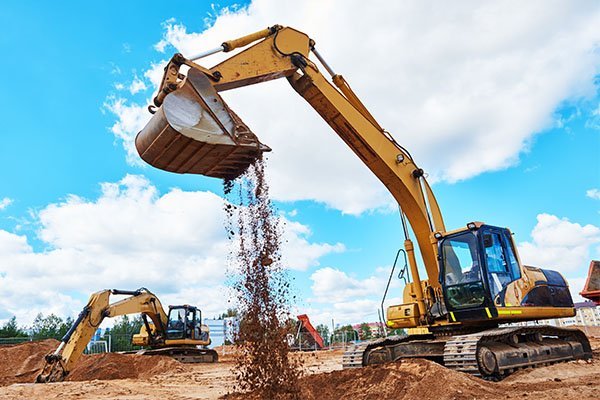
Mini Excavators (1-5 Tonne)
Mini excavators are the workhorses of residential projects. These compact machines can squeeze through standard gates, work in tight spaces, and cause minimal damage to established lawns. They’re perfect for small trenching jobs, landscaping work, and light demolition tasks.
Despite their size, don’t underestimate their capability. A 5-tonne mini excavator can dig to depths of around 3.5 metres—more than enough for most domestic applications. They’re also easier to transport, often fitting on a standard trailer.
Midi Excavators (5-10 Tonne)
Midi excavators bridge the gap between compact and standard machines. They offer more power and reach than minis while maintaining reasonable manoeuvrability. These are ideal for medium-sized projects like pool excavations or substantial landscaping work.
Standard Excavators (10-20 Tonne)
When you need serious digging power, standard excavators deliver. These machines handle commercial construction, large-scale earthmoving, and civil works with ease. However, they require more space and proper site access.
Large Excavators (20+ Tonne)
For major civil projects, quarrying, or large commercial developments, these heavy-duty machines are essential. They’re not typically needed for residential work but are crucial for substantial infrastructure projects.
What Size Excavator Do I Need for My Project?
Now that you understand the options, let’s match them to common project types.
Residential Landscaping and Backyard Projects
For most backyard transformations—think garden beds, retaining walls, or driveway preparation—a 1.7 to 3-tonne mini excavator works brilliantly. These machines handle the workload without churning up your entire property. Plus, they’re cost-effective to hire.
If you’re dealing with harder soil or larger areas, consider stepping up to a 5-tonne machine.
Pool Excavation and Demolition
Pool excavations typically require a 5 to 8-tonne excavator, depending on pool size and soil conditions. You need enough reach to dig to the required depth (usually 1.5 to 2 metres) while maintaining safe working distances.
For demolition work, the size depends on what you’re pulling down. Small sheds might only need a mini excavator with a hydraulic hammer attachment. Larger structures require bigger machines.
Commercial Construction and Civil Works
Commercial projects generally call for standard or large excavators. The specific size depends on the scope of earthworks, depth requirements, and site accessibility. A 13-tonne excavator is a common choice for medium-scale commercial work.
Trenching and Drainage Work
Trenching for pipes or cables usually requires a mini or midi excavator fitted with a narrow bucket. For standard drainage trenches, a 3 to 5-tonne machine handles most jobs efficiently.
Do I Need a Licence to Operate an Excavator in Australia?
Here’s where things get interesting. In Australia, you don’t need a specific licence to operate excavators under 6 tonnes on private property. However, any excavator work on construction sites typically requires a Construction Induction Card (White Card) as a minimum.
For machines over 6 tonnes, you’ll need relevant high-risk work licences. Additionally, some local councils have specific requirements, so it’s worth checking regulations.
If you’re unsure about operating equipment safely, wet hire is definitely the smarter choice. Professional operators bring experience that speeds up projects and prevents costly mistakes.
Top Tips for First-Time Excavator Hirers
Planning your first excavator hire? These tips will help ensure everything runs smoothly.
First, call Dial Before You Dig (1100) at least two business days before starting work. This free service identifies underground utilities on your property—hitting a gas line or power cable ruins everyone’s day.
Second, prepare your site beforehand. Clear obstacles, mark out dig areas, and ensure access paths are ready. Time spent preparing saves money once the excavator arrives.
Third, communicate clearly with your hire company. Explain your project in detail so they can recommend the right equipment. Don’t be afraid to ask questions—reputable companies want you to succeed.
Finally, consider the weather. Melbourne’s famous four-seasons-in-one-day reputation means soil conditions can change quickly. Wet weather makes excavation messier and potentially more challenging.
Conclusion: Making the Right Choice for Your Project
Choosing the right excavator doesn’t need to feel overwhelming. By understanding the different sizes available and matching them to your specific project requirements, you’re already ahead of the game.
Remember to factor in site access, soil conditions, and any attachments you might need.
Cost considerations extend beyond basic hire rates. Think about whether dry hire or wet hire suits your situation, and always ask about potential additional charges upfront.
When it comes to licensing, know the rules—or simply opt for wet hire and let the professionals handle the machine.
Whether you’re tackling a backyard transformation, digging a pool, or managing a commercial construction project, the right excavator makes all the difference. Take your time, ask plenty of questions, and don’t hesitate to seek advice from experienced excavator hire companies. Your project deserves the perfect match, and with the knowledge you’ve gained here, you’re well-equipped to find it. Good luck with your excavation!
Start your construction project with confidence. Explore expert guides and industry insights on The World Beast to choose the right equipment and maximise efficiency on every build.
