
Are you wondering why farm sheds hold an instrumental place in modern agricultural landscapes? Or asking yourself how these seemingly basic structures could significantly impact the multifaceted domain of farming? Step into the world of agricultural architecture where we explore the unsung heroes, the sturdy farm sheds melbourne, playing a pivotal role in today’s evolving agricultural practices.
Building a farm involves more than just crop planning and animal rearing; it’s about creating a resilient infrastructure to sustain these ventures whilst keeping proficiencies in check. As the foundation of any successful agricultural enterprise, farm sheds carry enormous responsibility—from safeguarding machinery to sheltering livestock, and storing crops to protecting feeds.
Grab yourself a cup of coffee, and join us on this fascinating journey of understanding why these humble constructs are indispensable assets in modern agriculture.
Why Farm Sheds are an Agricultural Staple?
Agricultural innovation is synonymous with future-oriented farming practices, where efficiency, versatility, and sustainability hold importance. Farming structures have to adhere to this ethos, and nothing exemplifies this more than the utility-laden farm sheds melbourne.
Constructed to weather varying climates and operational demands, these sheds provide secure storage for machinery and tools, reducing the wear and tear that occurs due to exposure. They significantly reduce overhead costs, paving the way for superior farm management, and thereby, greater yields.
Moreover, given their versatility, farm sheds can double-up as housing for livestock or serve as a protective shelter for harvested crops. Additionally, their simplified architecture enables easy customization, accommodating specific agricultural needs—perhaps the quintessential feature underlining their relevance.
How Modern Designs are Redefining Farm Sheds?
Today’s farm sheds have evolved from rudimentary structures to sophisticated shelters featuring innovative designs and state-of-the-art materials.
Aluminium, steel, and concrete are increasingly being used to construct durable and weather-resistant sheds that maximize space utilization while minimizing cost implications. Building trends are leaning towards structures optimized for natural ventilation, light penetration, and efficient insulation, aimed at enhancing production efficiency.
Farm sheds are epitomizing innovation by integrating smart technology. Automated systems controlling temperature, humidity, and feeding are disrupting traditional agricultural practices, endorsing these ‘smart’ sheds as significant drivers in the sector’s modernization.
What Types of Farm Sheds Are Available?
From open-sided machinery sheds to enclosed crop storages or livestock housing, farm sheds melbourne come in myriad forms to cater to different agricultural needs.
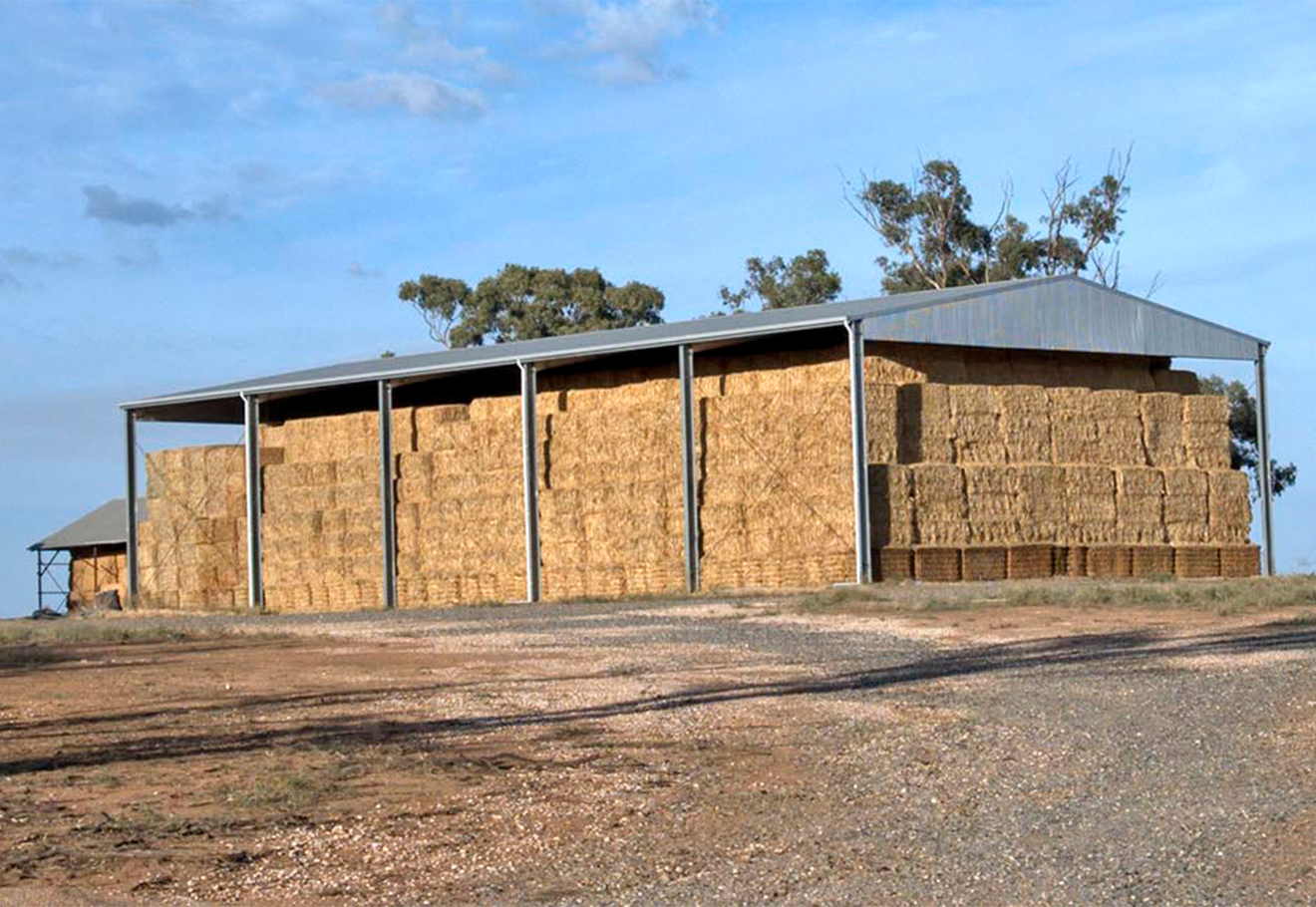
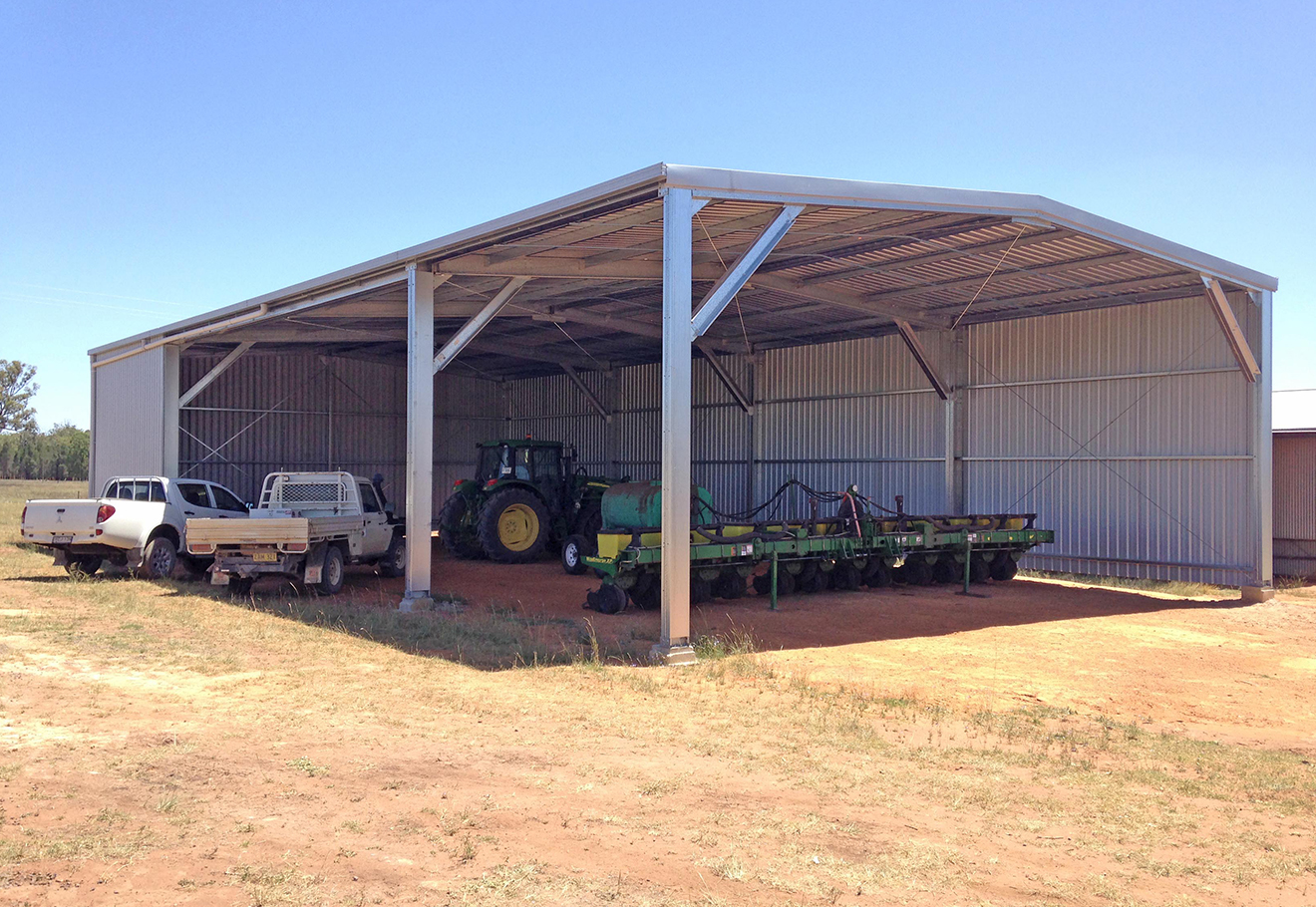
Hay sheds, designed to mitigate the risk of spontaneous combustion or mold growth, ensure that the nutritional value of the stored hay remains intact. On the other hand, machinery sheds are built to protect expensive equipment from harsh weather, dust, and theft.
Dairy and poultry sheds are insulated and ventilated to create controlled environments suitable for the animals, contributing to improved yield and welfare. Such unique functionality, tailored to suit different applications, makes farm sheds invaluable to modern farming.
The Pros and Cons of Farm Sheds
Farm sheds indisputably offer many advantages. These include efficient use of farmland, low maintenance, high durability, and adaptability, along with weather protection for livestock, grains, and machinery.
However, their notable shortcoming is perhaps the high initial setup cost. Despite this, the long-term sustainability and gains they offer make farm sheds a worthwhile investment.
Future of Farm Sheds
Agriculture is set to witness a significant transformation in the coming era, largely driven by sustainability-focus and technology-imbued practices. Farm sheds, evolving with this trend, are likely to become even more integral to farming.
Farm sheds will incorporate more sustainable materials and designs to decrease their carbon footprint, while smart technologies will further enhance operational efficiencies and output quality. Certainly, the future of farm sheds looks promising, reinforcing their importance in modern agriculture.
Concluding Remarks
The blend of efficiency, versatility, and adaptability renders farm sheds a fundamental component of modern agricultural establishments. Indubitably, they are no longer just supporting structures but strategic assets that streamline operations, enhance productivity, and drive sustainability.
Modern farm sheds, incorporating innovative technologies and sustainable design principles, are certainly a testament to the dynamism inherent in agriculture. While they involve substantial initial investment, the long term savings and productivity gains underscore their importance in the overall farm profitability matrix.
What truly sets farm sheds apart, though, is their ability to adapt—adapting to varying climatic conditions, operational needs, or the evolving demands of this ever-progressive industry. Perhaps it is time we recognize these humble constructs as the silent game-changers propelling modern agriculture towards a more efficient and promising future.
