
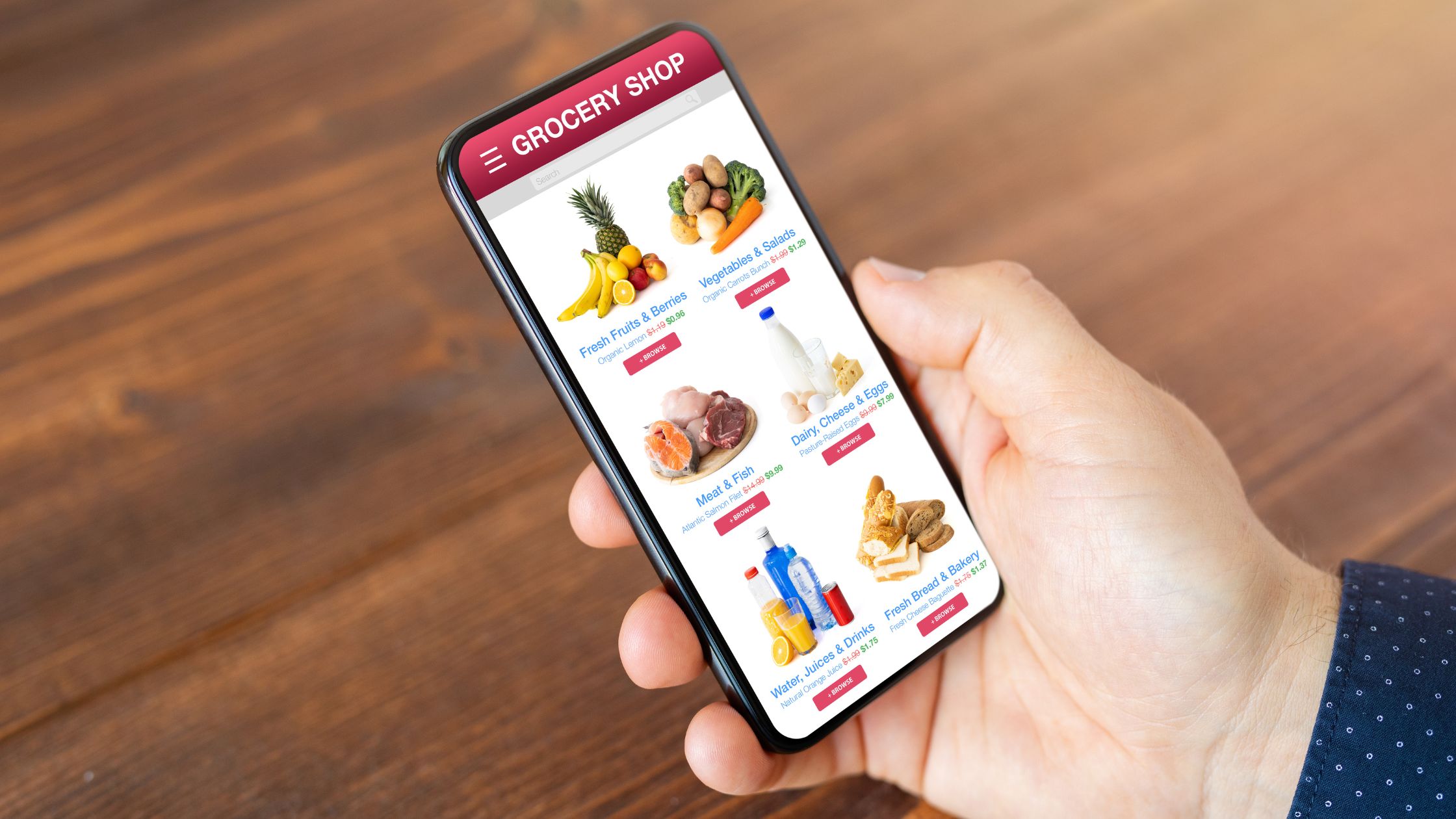
In an era where convenience is paramount, grocery shopping has evolved from traditional store visits to on-demand mobile experiences. With this shift, grocery app development has become a critical investment for retailers and startups aiming to remain competitive. However, one of the most common dilemmas businesses face is balancing the cost of development with the quality of the final product.
This article explores the key factors influencing grocery app development costs, how quality can be maintained on a budget, and how to find the sweet spot between affordability and excellence.
The Growing Demand for Grocery Apps
The surge in online grocery shopping, driven largely by changing consumer behavior and digital adoption, has created an urgent need for intuitive and scalable grocery apps. Whether it’s a single-store app or a marketplace platform, features like real-time inventory, secure payments, delivery tracking, and personalized promotions are now expected by users.
Businesses that choose not to invest in this technology risk falling behind. However, the decision isn’t simply about building an app, it’s about developing the right app at the right price.
Understanding Grocery App Development Costs
1. Development Complexity
The more advanced your app’s features, the higher the cost. A simple app with basic product listings and a checkout function can cost significantly less than an app with AI-powered recommendations, real-time delivery tracking, and loyalty program integration.
2. Platform Choice
Choosing between iOS, Android, or cross-platform development also affects your budget. Cross-platform solutions like Flutter or React Native may offer cost-efficiency but might compromise performance or customization in some cases.
3. Design Requirements
User experience (UX) and user interface (UI) design play a massive role in app success. Intuitive navigation, visually appealing layouts, and easy-to-use features require professional designers, which can increase costs.
4. Backend Infrastructure
A robust backend is crucial for functionalities like inventory management, customer support, and data analytics. This adds to the overall expense but ensures the app’s scalability and performance.
5. Ongoing Maintenance and Support
Grocery app development doesn’t end at launch. Updates, security patches, and performance optimizations are recurring expenses that must be factored into the long-term budget.
Why Quality Shouldn’t Be Sacrificed
Cutting corners to save money can seem like a smart move initially, but it often backfires in the long run. Here’s why quality must always be prioritized:
User Retention
A buggy or slow app will drive users away. With so many alternatives in the market, users expect a seamless shopping experience.
Brand Reputation
Your app is an extension of your brand. A poor user experience reflects directly on your business’s credibility.
Competitive Advantage
A high-quality app with innovative features can differentiate you in a saturated market, leading to higher engagement and customer loyalty.
Tips to Balance Cost and Quality in Grocery App Development
Striking the right balance doesn’t mean spending the least or the most, it means spending wisely. Here’s how to do it:
1. Define Clear Objectives
Before approaching a development team, define what features are essential for your Minimum Viable Product (MVP) and which can be added later. This phased approach helps manage costs without compromising core functionality.
2. Choose the Right Development Partner
Partner with a development company that specializes in grocery app development. Their experience can reduce development time, avoid common pitfalls, and result in a more polished product.
3. Opt for Agile Development
Agile methodologies allow for iterative development and continuous testing. This enables you to make improvements without major cost overruns and ensures that the final product aligns with your evolving business needs.
4. Leverage Ready-Made Solutions
Custom-built apps are ideal, but if you’re on a tight budget, consider using white-label or semi-custom grocery app solutions. These offer essential features at a fraction of the cost and can be customized as you grow.
5. Focus on Scalability
Plan for future expansion. Even if your initial budget is limited, a well-structured backend will allow you to add features and handle higher traffic later without a complete overhaul.
Case in Point: Real-World Cost vs. Quality Scenarios
Many startups have learned the hard way that opting for the cheapest development services can lead to disastrous results ranging from poorly coded apps to missed deadlines. Conversely, companies that invested in quality development saw long-term benefits in user acquisition, brand value, and revenue growth.
A successful grocery app often results from a collaborative approach between a business with a clear vision and a development team that understands both the technical and commercial aspects of grocery retail.
Conclusion: Make Smart, Informed Choices
Investing in grocery app development is no longer optional for businesses aiming to capture modern consumers. While budget constraints are real, compromising on quality can cost far more in the long run.
By understanding the cost factors, defining your goals, and choosing the right development partner, you can create a robust, user-friendly grocery app without blowing your budget. Remember, it’s not just about launching an app it’s about launching the right one.
Whether you’re a retailer going digital or an entrepreneur entering the online grocery space, make grocery app development a strategic decision, not just a technical one.
