
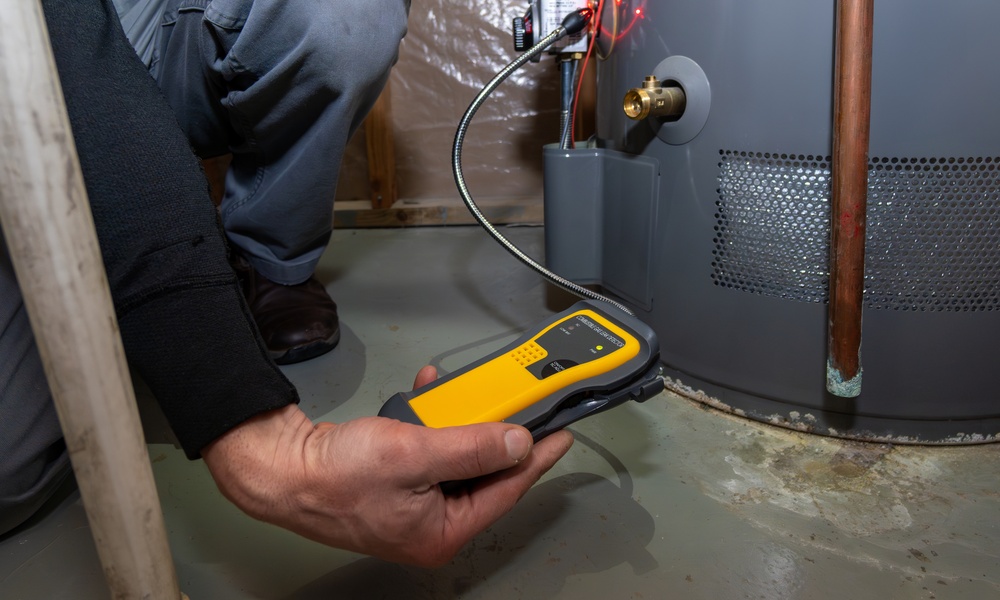
Your home should provide a comfortable place where you can relax without worrying about unexpected hazards. Unfortunately, many serious risks develop quietly behind walls, beneath floors, or inside everyday systems. Recognizing the hidden dangers in your home you should never ignore can help you address problems before they threaten your family’s well-being or cause expensive property damage. Regular inspections and attentive maintenance make it easier to spot warning signs early. By understanding where hazards commonly develop, you can create a safer environment and protect the investment you have made in your property.
Electrical Problems Behind Walls
Electrical wiring stays mostly out of sight, making problems difficult to recognize until obvious symptoms appear. Older wiring may deteriorate over time, while loose connections can develop around outlets or switches. Damaged electrical components may generate excessive heat and increase the possibility of a house fire.
Pay attention when outlets feel unusually warm or lights frequently flicker without an obvious explanation. Burning odors near switches also deserve immediate attention. Do not assume that a minor electrical issue will resolve itself. A qualified electrician can investigate unusual behavior and determine whether your electrical system requires repairs or upgrades.
You should also avoid overloading outlets with more devices than the circuit can safely support. Extension cords should serve as temporary solutions rather than permanent additions to your home’s electrical system. Addressing electrical concerns promptly protects both your property and the people living inside it.
Moisture Hiding Behind Walls
A small leak can create substantial problems when water travels into areas that you cannot easily inspect. Plumbing connections, damaged roofing, and gaps around windows can allow moisture to enter walls or ceilings. Because the source remains hidden, damage may continue for weeks before becoming noticeable.
Watch for peeling paint, discoloration, or unusual softness in drywall. Persistent musty odors can also indicate moisture somewhere nearby. Finding the source matters because simply painting over a stain will not prevent additional damage.
Long-term moisture can weaken building materials and create conditions that encourage mold growth. Repair leaks as soon as possible and thoroughly dry affected areas. When you cannot determine where water originates, a professional inspection can help locate the problem without unnecessary damage to your home.
Mold in Overlooked Spaces
Mold often develops where moisture combines with limited airflow. Bathrooms and basements receive plenty of attention, but mold can also appear underneath flooring or behind appliances. It may grow around plumbing fixtures where small leaks remain unnoticed.
Regularly inspect areas that experience condensation or occasional dampness. Clean visible growth appropriately while investigating the moisture source that allowed it to develop. Without correcting that underlying issue, mold can quickly return.
Ventilation plays an important role in controlling indoor moisture. Use exhaust fans where appropriate and address persistent humidity rather than simply accepting it as normal. When mold covers a large area or appears inside walls, professional assistance may provide the safest approach to remediation.
Radon Entering Your Living Space
Some household hazards provide no obvious warning through smell or appearance. Radon is a naturally occurring radioactive gas that can enter buildings through openings around foundations. Because homeowners cannot detect it with their senses, testing offers the most reliable way to identify elevated levels.
Professional assessments can determine whether your property needs mitigation measures. In this situation, home radon testing keeps families safe by revealing a potential problem that might otherwise remain completely unnoticed. Testing becomes especially important when purchasing a property or making significant changes to lower levels of a home.
If testing identifies elevated radon, mitigation systems can reduce concentrations indoors. Taking action gives homeowners greater control over an environmental hazard that often remains invisible without deliberate testing.
Carbon Monoxide From Fuel-Burning Equipment
Carbon monoxide presents another invisible household risk. Furnaces and other fuel-burning appliances can produce this gas when equipment malfunctions or ventilation systems fail. Since carbon monoxide has no noticeable color or odor, people may not recognize its presence without a working detector.
Install carbon monoxide alarms according to local safety recommendations and test them regularly. Replace batteries when necessary and never disable an alarm because it activates unexpectedly. An alert deserves immediate attention.
Schedule maintenance for fuel-burning equipment so technicians can identify damaged components before they create dangerous conditions. Keep vents unobstructed to allow combustion gases to leave your home properly. Preventive maintenance provides an important defense against a hazard that your senses cannot reliably detect.
Structural Damage That Slowly Develops
Structural problems do not always appear dramatically. Small foundation cracks or gradually sagging floors may signal changes that deserve closer examination. Doors that suddenly stick can also indicate movement within the building.
Some minor cracks result from normal settling, but homeowners should monitor changes instead of automatically dismissing them. A crack that grows noticeably wider or repeatedly returns after repair may require professional evaluation. Early assessment can determine whether the issue affects appearance alone or involves a deeper structural concern.
Water often contributes to foundation problems by collecting around the exterior of a house. Keep drainage systems functioning properly and direct water away from the foundation. Protecting the structure from excess moisture can reduce unnecessary stress on essential building materials.
Dryer Lint and Ventilation Problems
Cleaning the lint screen after using your dryer is important, but lint can accumulate farther inside the ventilation system. Restricted airflow forces the appliance to work harder and may allow excessive heat to build within the vent.
Notice how long clothing takes to dry. Longer drying cycles or unusually hot laundry may indicate reduced airflow. Inspect accessible vent components periodically and arrange professional cleaning when significant buildup develops.
Make sure the exterior vent opens freely while the dryer operates. Avoid crushing flexible vent material behind the appliance, since restricted passages can interfere with airflow. Maintaining the ventilation system helps the dryer operate safely while supporting better efficiency.
Pests Causing Damage Out of Sight
Household pests sometimes cause damage long before homeowners see the animals themselves. Termites can consume wooden components, while rodents may chew insulation or electrical wiring. Small openings around a home’s exterior can provide convenient entry points.
Look for unexplained wood damage or scratching noises inside walls. Droppings and damaged food packaging can also reveal pest activity. Respond quickly rather than waiting for the problem to become more visible.
Seal exterior gaps that allow pests indoors and repair damaged screens. Keep storage areas orderly enough to inspect them periodically. When signs suggest an established infestation, professional pest control can identify the affected areas and recommend appropriate treatment.
Make Household Safety an Ongoing Priority
Many serious household hazards become more difficult to address when homeowners overlook their earliest warning signs. Understanding the hidden dangers in your home you should never ignore encourages you to treat unusual odors, moisture, electrical changes, and structural concerns seriously. Regular maintenance can reveal developing problems while they remain manageable. Professional inspections can also provide valuable insight when a hazard exists beyond what you can safely evaluate yourself. Stay attentive to changes throughout your property and address concerns promptly. A proactive approach to household safety helps protect the people you care about while preserving the comfort and condition of your home.
