
Maintaining a home involves more than cleaning regularly and repairing things when they break. Many important maintenance tasks happen behind the scenes, making them easy to overlook until something goes wrong. Unfortunately, neglecting these responsibilities can lead to expensive repairs, safety concerns, and unnecessary wear on your home’s systems.
Staying ahead of potential problems doesn’t require extensive technical knowledge or a complicated schedule. Understanding which home maintenance tasks are easy to forget can help homeowners protect their investments and keep their properties functioning properly throughout the year.
Inspect and Clean Your Gutters
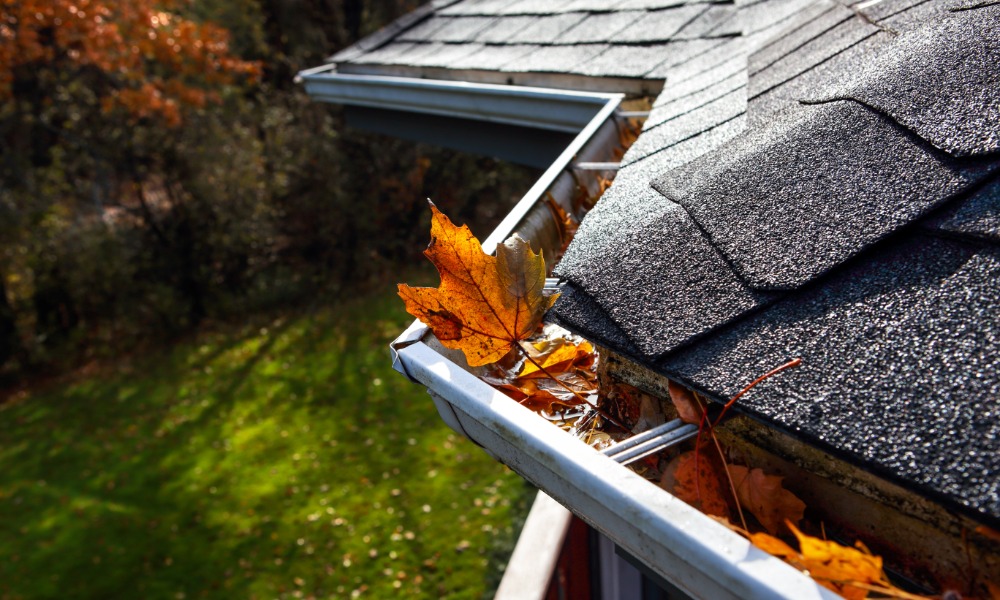
Gutters direct rainwater away from your home’s roof, siding, and foundation. However, leaves, dirt, and other debris can accumulate inside them, preventing water from draining properly. When gutters become clogged, overflowing water may damage exterior surfaces or collect near the foundation.
Inspect gutters at least twice annually, particularly after periods of heavy leaf accumulation. Homes surrounded by trees may require more frequent attention. Check downspouts for blockages and confirm that water flows away from the foundation rather than collecting alongside it.
Replace HVAC Filters Regularly
Heating and cooling systems depend on adequate airflow to operate efficiently. Dirty air filters restrict airflow, forcing equipment to work harder and potentially contributing to increased energy consumption. Over time, neglected filters may also affect indoor air quality and system performance.
Check HVAC filters monthly and replace them according to the manufacturer’s recommendations. Replacement frequency depends on filter type, household conditions, and system usage. Keep in mind that you have pets or more airborne dust, your home need more frequent replacements to maintain proper airflow.
Test Smoke and Carbon Monoxide Detectors
Smoke and carbon monoxide detectors provide essential protection against potentially life-threatening hazards. Unfortunately, homeowners sometimes assume these devices are functioning simply because they haven’t sounded an alarm. Batteries can fail, sensors can deteriorate, and detectors eventually reach the end of their service lives.
Test detectors according to the manufacturer’s instructions, at least once a month. Replace batteries and entire units as recommended, and check expiration dates when applicable. Even if you’ve recently moved, confirm that detectors are installed in appropriate locations throughout the home.
Maintain Garage and Overhead Doors
Garage doors are among the largest moving components in a residential property. Their frequent operation places considerable stress on rollers, hinges, tracks, and other mechanical components. Without regular inspections, minor problems can develop into operational failures or safety hazards.
Check Moving Components and Safety Features
Visually inspect garage door hardware for wear, corrosion, or loose components. Listen for unusual grinding or scraping noises during operation, and test the automatic reversal features according to the manufacturer’s instructions. Never attempt to adjust high-tension springs or cables yourself, as these components can cause serious injuries.
Understanding why overhead doors fail and how to prevent it can help homeowners recognize warning signs before a minor issue becomes a major repair. Schedule professional service when doors move unevenly, struggle to open, or demonstrate inconsistent operation and save yourself a massive headache.
Flush Your Water Heater
Sediment naturally accumulates inside many conventional tank-style water heaters as minerals settle out of the water supply. Excessive buildup can reduce heating efficiency, create unusual noises, and contribute to premature equipment wear. What makes it dangerous is that the problem may develop gradually without obvious warning signs.
Consult the manufacturer’s maintenance instructions to determine whether flushing is appropriate and how frequently it should occur. Some systems require professional servicing, particularly when sediment accumulation is extensive. Homeowners unfamiliar with the procedure should hire a qualified technician to avoid burns or equipment damage.
Inspect Plumbing for Hidden Leaks
Not every plumbing leak produces an obvious puddle or dripping sound. Small leaks beneath sinks, behind appliances, or around fixtures may persist unnoticed for months. Even minor moisture problems can damage cabinetry, encourage mold growth, and increase water bills.
Periodically examine accessible pipes, supply connections, and surrounding surfaces for moisture or discoloration. Pay particular attention to areas beneath kitchen sinks and around toilets. An unexplained increase in water usage may also indicate a hidden leak that requires professional investigation.
Check Exterior Caulking and Weatherstripping
Small gaps around windows and exterior doors can allow unwanted air and moisture to enter a home. As caulking ages, it may crack, shrink, or separate from surrounding materials. Damaged weatherstripping can also reduce energy efficiency by allowing conditioned air to escape.
Inspect these areas during seasonal maintenance, particularly before extreme temperatures arrive. Replace deteriorated weatherstripping and repair damaged caulking with products suitable for the application. Addressing small openings early can help prevent moisture intrusion and improve indoor comfort.
Inspect Your Roof from the Ground
Roof problems aren’t always immediately visible from inside a home. Missing shingles, damaged flashing, or deteriorating materials may allow water to penetrate the roofing system. By the time interior water stains appear, significant damage may have already occurred.
Examine your roof from a safe ground-level location, especially after severe storms. Look for visibly displaced shingles, sagging sections, or damaged exterior components. Arrange a professional inspection when you notice potential problems rather than climbing onto the roof yourself.
Maintain Bathroom Exhaust Fans
Bathroom exhaust fans remove moisture that would otherwise accumulate on walls and ceilings. However, dust buildup can reduce their effectiveness and interfere with proper ventilation. Poor airflow may contribute to persistent humidity and mold growth.
Clean accessible fan covers according to the manufacturer’s instructions, and check that the fan operates normally. Confirm that exhaust air is directed outdoors rather than into an attic or enclosed space. If moisture consistently lingers after showers, the ventilation system may need professional evaluation.
Create a Consistent Maintenance Schedule
Remembering every maintenance responsibility can become difficult, especially when tasks occur only once or twice annually. A written schedule helps homeowners organize inspections and identify potential problems before they become emergencies. Digital reminders can make recurring responsibilities easier to manage.
Group maintenance activities by season, and maintain records of completed work and professional service appointments. Include equipment installation dates and manufacturer-recommended maintenance intervals. A consistent approach helps extend the useful life of household systems while reducing the likelihood of unexpected repairs.
Ultimately, effective home maintenance depends on paying attention to the small responsibilities that are easily overlooked. Regular inspections and timely preventive care can protect your property’s condition, improve household safety, and help you avoid unnecessary expenses.

 The World Beast

