
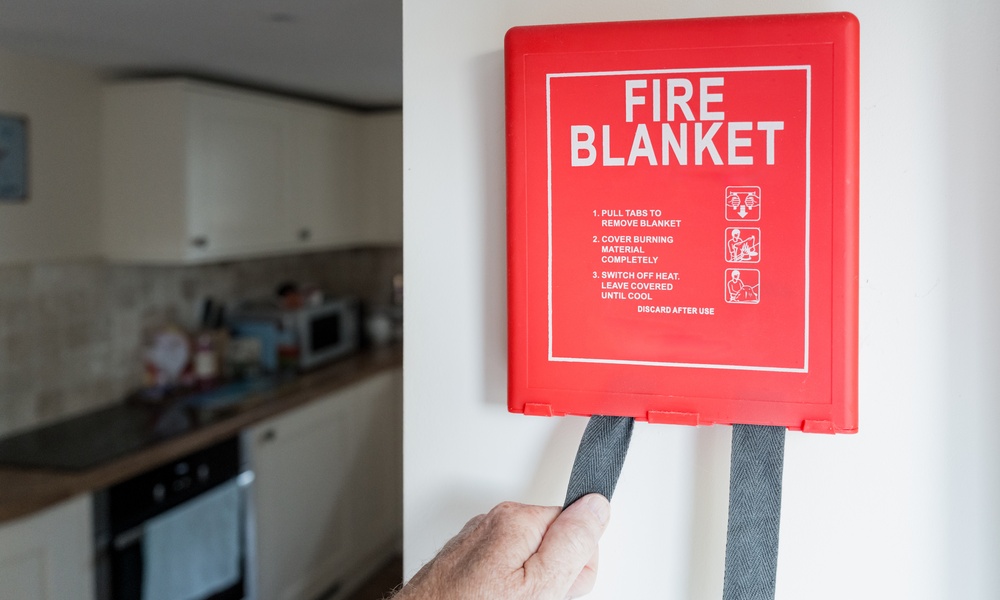
Fire safety tools often go overlooked until an emergency occurs. A fire blanket offers a simple, effective way to contain small fires before they escalate. Anyone who understands how to use a fire blanket and recognizes the right situations for its use can respond faster and more effectively.
What Is a Fire Blanket and How Does It Work?
A fire blanket consists of fire-resistant materials such as fiberglass or specially treated fabrics. It stops flames by cutting off the oxygen that fuels combustion. Fire blankets allow users to control a fire without creating residue or blocking visibility. People commonly use them for small, contained fires involving cooking oils, trash bins, or clothing.
When Should You Use a Fire Blanket?
You should use a fire blanket during the early stages of a fire when flames remain small and contained. These situations typically involve manageable risks where quick action can prevent escalation.
Kitchen Fires
Kitchen environments present one of the most common and dangerous fire risks, particularly when cooking with oils or high heat. Grease fires can intensify rapidly and react violently to water, making proper suppression methods critical.
In these cases, a fire blanket provides a controlled way to smother flames without spreading burning oil. By placing the blanket over the source, individuals can cut off oxygen and prevent flare-ups. This approach reduces the risk of splashing or reignition, which often occurs when using incorrect methods.
Clothing Fires
Clothing fires require immediate and direct action to prevent serious injury. Flames can spread rapidly across fabric, especially with synthetic materials.
A fire blanket allows for fast intervention by wrapping the affected person and cutting off the oxygen supply. This method aligns with the widely recommended “stop, drop, and roll” approach but adds an extra layer of protection. Proper use helps contain the flames while reducing further skin damage.
Electric Vehicle Fires
Electric vehicles introduce new fire safety challenges. Lithium-ion batteries can burn at extremely high temperatures and may reignite after initial suppression. In response to these risks, specialized fire blankets now help responders and facility operators manage EV-related incidents more effectively. These blankets isolate the vehicle, limit heat transfer, and reduce exposure to harmful fumes.
Step-by-Step: How to Use a Fire Blanket Safely
Understanding how to use a fire blanket before an emergency ensures faster and more controlled action. Clear steps help reduce panic and improve effectiveness. To use a fire blanket correctly, follow these steps in order:
- Turn off the heat source if you can do so safely
- Hold the blanket in front of you and wrap your hands with the top edge
- Place the blanket gently over the fire instead of throwing it
- Cover the flames completely to block oxygen
- Keep the blanket in place until the area cools fully
A Practical Tool for Early Fire Response
Fire blankets provide a reliable option for controlling small fires before they grow. Their effectiveness depends on preparation and proper use. Individuals who understand their function can act decisively and reduce risk during critical moments.
