
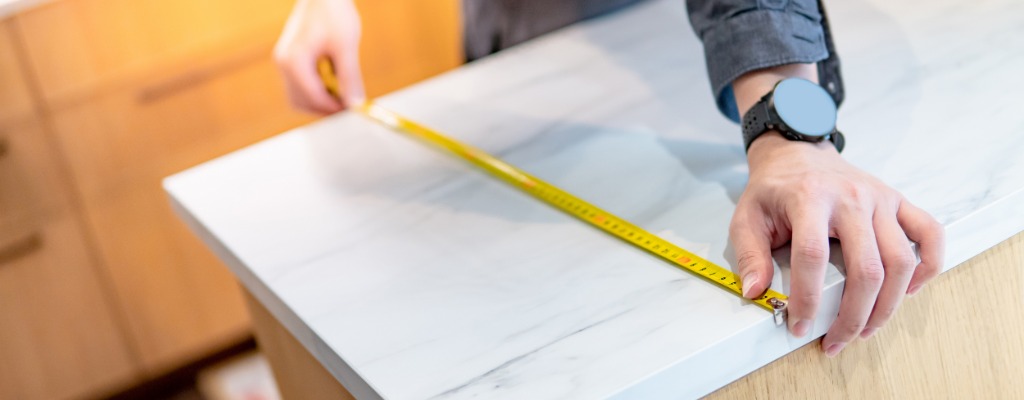
A kitchen renovation can transform the cabinets without replacing stone countertops. Painting doors, changing hardware, or adding storage may seem unrelated to the stone above. Yet changes to the cabinet structure can affect stone countertop support. A stone slab depends on steady support beneath it, especially near seams, sink openings, and projecting edges.
Homeowners who plan to keep their existing granite, marble, or engineered stone countertops should consider more than whether the new cabinets fit. The critical question is whether the new cabinet layout will support the slab in the same places, at the same height, and with comparable stability.
Why Cabinet Support Matters
Stone countertops resist many demands of daily use, but they do not behave like flexible wooden worktops. A heavy slab can crack when a portion loses support or when an underlying cabinet shifts. Its weight also places substantial demands on cabinet frames and the floor beneath them.
Support Is More Than Cabinet Width
Two cabinets of equal width do not necessarily offer the same support. One may have a continuous top rail, while another uses a different frame design. Removing a partition, shortening a side panel, or changing the cabinet arrangement can leave sections of stone spanning a larger opening.
This difference matters particularly where the slab includes a joint or an appliance cutout. A new cabinet layout might create an unsupported area exactly where the stone needs dependable bearing.
Cabinet Changes That Can Alter the Load Path
Replacing Base Cabinets
Replacing cabinets beneath an existing countertop poses a significant challenge. Workers must protect the slab while removing the structures that carry it. Countertops can be difficult to lift intact, especially where adhesives, backsplashes, or attached sinks complicate removal.
Even when replacement cabinets match the original dimensions, their height and construction may differ. A small mismatch can make the slab rock, leave an unintended gap, or put pressure on a narrow section.
A countertop fabricator and cabinet installer should agree on a removal and support plan before demolition begins. Improvised temporary supports introduce unnecessary risk.
Removing Partitions or Adding Appliances
Homeowners sometimes eliminate a cabinet divider to create wider drawers or room for an appliance, and these changes can affect a stone countertop’s support.
Dishwashers create a similar concern because an appliance cavity does not function like a conventional cabinet box. The countertop may require a properly attached support rail or another approved structure over the opening. Installers must also preserve necessary appliance clearance.
Removing a partition without replacing its supporting function can create a hidden weakness that becomes apparent only after the countertop develops damage.
Modifying Islands and Seating Areas
A kitchen island may gain a breakfast bar after rearranging its cabinets. Extending the stone beyond the cabinet footprint changes the way the slab responds to downward pressure at its edge.
The allowable overhang depends on the particular material, thickness, geometry, and fabrication specifications. It is unsafe to assume one standard measurement fits every countertop.
The Natural Stone Institute addresses overhangs and cantilevers in its installation guidance. When a design requires extra support, the brackets or structural members must connect to suitable framing rather than decorative trim alone.
How Small Alignment Changes Create Problems
Uneven Cabinets and Shifting Floors
Cabinets can settle, loosen, or distort when floors move, or fasteners fail. Renovation work may expose an uneven subfloor that the original installation concealed.
If installers force a rigid stone top onto cabinets that sit at different heights, the slab may bridge low spots and bear excessively on high ones. This can create stress around existing cutouts.
Professionals should establish a level, stable cabinet assembly before positioning the countertop. They should use shims and support details the fabricator permits rather than relying on adhesive to fill structural gaps.
New Sink and Faucet Arrangements
A sink opening removes material from the slab, leaving narrower stone sections around the basin. Moving a sink, changing the mounting method, or fitting a heavier model may change the support demands in this vulnerable area.
Cabinet modifications can also interfere with sink clips, brackets, and other mounting components. The sink’s weight, particularly with water, needs a dependable support system appropriate to its design.
Warning Signs After a Cabinet Renovation
Problems may appear immediately, or they may develop after use. A new gap between the stone and a cabinet rail deserves investigation, especially if that location previously provided bearing.
Look for new, open seams, a countertop edge with a new height, or a crack emerging from a sink corner. Unusual movement when someone applies gentle pressure is another reason to stop using the section and seek professional advice. Do not deliberately flex the slab to test it.
Not every mark indicates a structural failure. Scratches and stains can affect appearance without compromising strength. A useful explanation of structural versus surface damage in stone countertops distinguishes cosmetic defects from fractures and support-related concerns. The distinction matters because polishing a surface will not correct movement below it.
When a Crack Needs Attention
A narrow line may be a natural feature of the stone, an old repaired area, or a new fracture. Its location and behavior provide important clues, but appearance alone cannot establish its depth.
Cracks near cutouts, widening seams, or sections that move relative to one another warrant an inspection by a qualified stone professional. If the countertop seems unstable, avoid placing weight on it until a professional assesses the support conditions.
Planning Cabinet Work Around Existing Stone
Document the Current Installation
Before changing cabinetry, record the countertop dimensions and photograph accessible support points. Note sink openings, seams, overhangs, and any visible brackets. These details help installers identify which elements must remain supported throughout the project.
Check whether cabinet doors merely need refinishing rather than structural replacement. A cosmetic update may preserve an otherwise sound support arrangement and reduce disturbance to the slab.
Coordinate the Trades Before Work Starts
Cabinet installers understand joinery and alignment; stone fabricators understand the material’s limits and installation details. Both perspectives matter when a renovation changes the support beneath a heavy slab.
Ask who will assess existing support, provide temporary bracing, and verify the installation. Confirm that the new cabinet design accommodates mounting hardware and any structural reinforcement before ordering components.
Inspect the Final Work
After installation, check that the countertop sits securely and that cabinet changes have not obstructed sink supports or created unsupported edges. Inspect seams and nearby walls for new separation. Avoid assuming that a level-looking surface proves every underlying support is adequate.
If workers uncover cracks or weak cabinet framing, address the cause before repairing the visible damage. A repair may improve appearance, but an unresolved support problem can subject the same area to more stress.
Long-Term Stability Starts Below the Surface
Keeping existing stone countertops can reduce renovation waste and preserve a kitchen’s appearance. It also requires careful coordination because fabricators fit the stone to a particular layout.
Cabinet changes should preserve or properly replace the support paths that protect the slab. By evaluating those paths before construction, homeowners can make design changes without overlooking the structure that holds the countertop in place.
