
The global pandemic redefined how we view hygiene—not just at home, but in the places we work, shop, and interact with others. One of the most significant shifts has been in the commercial cleaning sector, where cleanliness is no longer simply a matter of presentation but a baseline for health, safety, and public trust. As organisations adapt to the new expectations of employees, customers, and regulators, commercial cleaning is being transformed by upgraded standards, smarter technologies, and a stronger presence in strategic decision-making.
The Rise of Hygiene as a Business Priority
In the past, cleaning was often seen as a backend task—essential, but not necessarily strategic. The COVID-19 pandemic flipped that narrative. Hygiene became a frontline defense, influencing everything from customer behaviour to operational continuity. Business owners across industries—from hospitality and retail to education and office administration—have re-evaluated their cleaning contracts and protocols to align with public health standards.
This shift isn’t just about optics. According to research featured in COVID-19 and the Changing World Order, workplace hygiene has taken on a new cultural and operational significance, becoming a key indicator of how seriously a company treats the wellbeing of its people.
From Daily Dusting to Disease Prevention
The difference between cleaning and disinfecting has become more widely understood since 2020. While general cleaning removes visible dirt and dust, disinfection involves the use of chemical agents to kill bacteria and viruses. Today, commercial cleaners are expected to provide both, with particular attention to high-touchpoint surfaces like door handles, lift buttons, and shared equipment.
Standards have also expanded to include ventilation systems and air quality. This aligns with concerns explored in Is Air Pollution the New Silent Killer?, where the link between airborne pollutants and health outcomes was examined in depth. In commercial spaces, clean air is now viewed as part of the cleaning strategy—especially in enclosed, high-traffic areas.
Smarter, Tech-Driven Solutions
The cleaning industry has embraced innovation in surprising ways. Where once mops and vacuums reigned, today’s commercial cleaning may include electrostatic sprayers, UV-C sterilisation, and robotic scrubbers capable of autonomous floor cleaning. These tools offer not just efficiency but consistency—helping large commercial spaces meet stricter time and hygiene demands without relying solely on labour-heavy routines.
Smart building systems are also part of the equation. Occupancy sensors and data analytics are being used to determine where and when cleaning is most needed, reducing waste while ensuring compliance with new health protocols. This kind of adaptive cleaning allows facility managers to respond to real-time usage, rather than relying on static schedules.
The Human Factor: Rebuilding Confidence Through Visibility
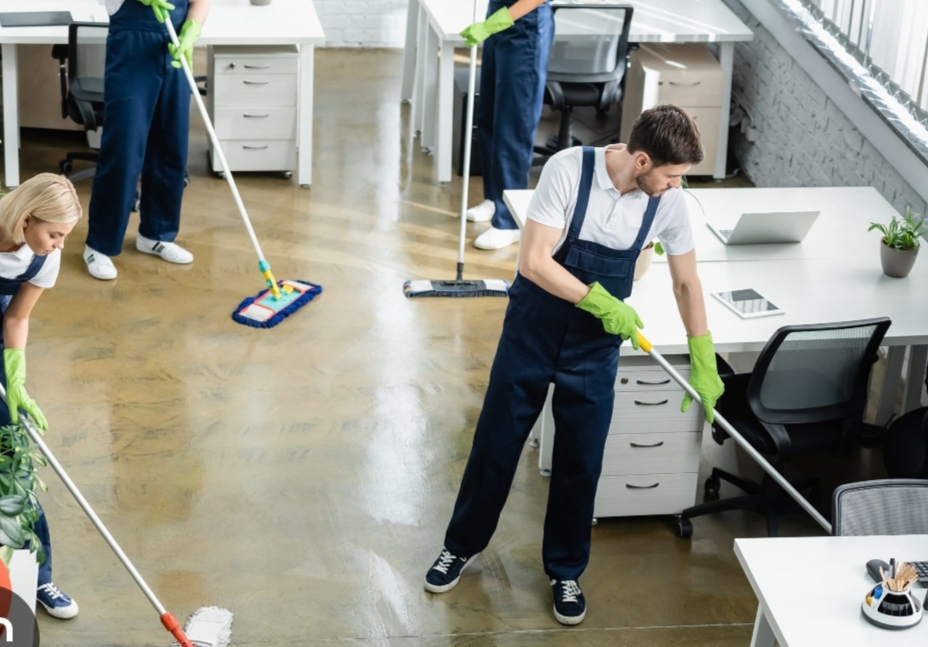
One of the more subtle but effective changes in commercial cleaning has been the visibility of cleaning staff. In years past, commercial cleaners typically worked after hours. Now, it’s common to see cleaning professionals present during the workday. Their visibility serves not only practical purposes—like frequent disinfecting of bathrooms or breakrooms—but also symbolic ones, reassuring occupants that hygiene is a constant priority.
Uniformed, identifiable staff equipped with branded equipment and following clear protocols signal to employees and customers alike that a business is taking safety seriously. This visibility helps rebuild trust in public and shared spaces, particularly in industries like aged care, education, and transport.
Commercial Cleaning in the Australian Context
In Australia, Safe Work guidelines and building management standards have played a major role in shaping the way businesses approach cleaning. The focus has shifted from compliance alone to proactive risk management. This includes updating material safety data sheets, using TGA-approved disinfectants, and documenting each cleaning task performed.
Many companies have sought reliable local providers who can deliver both compliance and peace of mind. Businesses such as CJM Cleaning for trusted commercial cleaning have adapted by offering scalable solutions that include detailed cleaning logs, staff accreditation, and flexible service options to suit a variety of commercial needs. Whether it’s a corporate office, industrial facility, or retail outlet, the expectation now is for cleaning providers to act as ongoing partners in workplace health.
Will the New Standards Stick?
While some may assume these heightened cleaning protocols are temporary, the reality suggests otherwise. The cultural shift around hygiene, risk management, and indoor air quality has left a lasting impression. Companies have witnessed firsthand the benefits of improved cleaning—from lower staff sick leave to improved morale and customer satisfaction.
Moreover, the focus on eco-conscious cleaning is only gaining ground. More organisations are requesting biodegradable chemicals, water-efficient equipment, and waste-reduction practices in their cleaning contracts. These trends not only respond to environmental concerns but also reflect broader ESG (Environmental, Social and Governance) goals in modern business operations.
Conclusion: A Redefined Standard
Commercial cleaning has evolved from an operational checkbox into a core part of business continuity planning. Whether driven by public health mandates, customer expectation, or internal workplace policies, the need for consistent, evidence-based cleaning is now embedded in the culture of modern business.
As industries continue to respond to a more health-conscious world, it’s clear that commercial cleaning is no longer in the background—it’s foundational to how we work, interact, and build trust in public spaces.
