
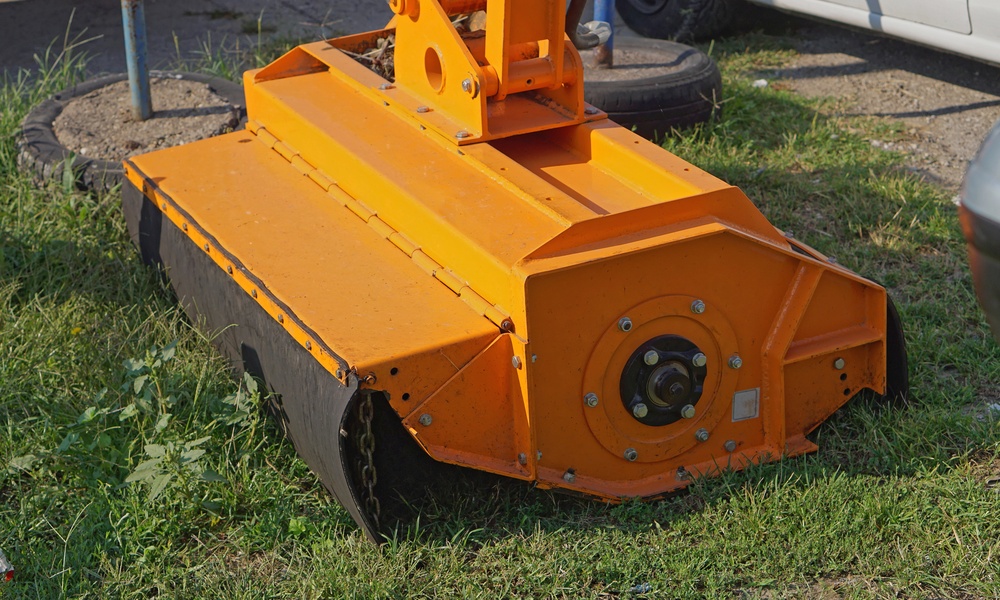
For companies operating mowing equipment and other specialized machinery, the busiest machine is not always the best machine for the next assignment. A familiar unit may be dispatched repeatedly because operators know its controls or because it sits closest to the loading area. Meanwhile, equally capable equipment remains parked. Over time, this uneven use can accelerate repairs, disrupt schedules, and make ownership costs harder to predict.
Understanding how fleet rotation can reduce equipment wear starts with a simple principle: distribute appropriate work across available machines instead of allowing convenience to determine every assignment. Effective rotation is not about giving every unit identical hours. It is about matching each job to the right equipment while preventing avoidable concentration of demanding workloads.
Uneven Hours Create Uneven Maintenance
A machine that accumulates hours faster than the rest of the fleet reaches service intervals sooner. Its filters, fluids, cutting components, tracks, and other wear items may need attention while nearby units still have substantial capacity. This creates a maintenance bottleneck when crews depend on the same machine for successive projects.
For example, a roadside vegetation contractor might repeatedly send one mulcher to dense brush assignments because its operator prefers it. That machine experiences high engine loads and repeated impacts while another compatible unit handles occasional light work. Rotating suitable assignments can spread exposure to demanding conditions and make planned maintenance easier to schedule. It also helps managers avoid treating an entire fleet as healthy simply because average hours look reasonable.
Match the Machine to the Work
Rotation should never mean swapping machines without considering their capabilities. Slope ratings, attachment compatibility, hydraulic flow, ground pressure, cutting capacity, and operator qualifications all matter. A lighter machine may be ideal for routine roadside trimming but unsuitable for heavy clearing or unstable terrain. Sending it into the wrong conditions can create more damage than rotation prevents.
A practical assignment process begins with the site. Managers should assess vegetation density, access limitations, soil conditions, travel distances, and expected operating hours. They can then identify all machines capable of completing the work safely and efficiently. Only within that qualified group should accumulated hours and recent workloads influence which unit goes next.
Track More Than the Hour Meter
Engine hours are useful, but they do not tell the whole story. Two machines with identical readings may have experienced very different stresses. One may have spent most of its time on open, level ground; the other may have operated on steep slopes with frequent starts, stops, and high attachment loads. Rotation decisions become stronger when records reflect operating conditions as well as duration.
Maintenance logs should capture recurring failures, attachment usage, unusual vibration, hydraulic temperatures where monitored, and damage discovered during inspections. Operators can contribute short notes after each shift, especially when a job involved abrasive material or hidden obstacles. These details help supervisors avoid repeatedly assigning the hardest work to equipment already showing signs of strain.
Build Maintenance Windows Into Dispatch Plans
A rotation plan works best when maintenance is part of scheduling rather than an interruption to it. If a unit is approaching a manufacturer-recommended service interval, dispatchers can give it shorter, appropriate assignments or reserve time for inspection before a long deployment. Another qualified machine can carry the next demanding project without leaving crews stranded.
This approach also gives technicians predictable access to machinery. Instead of discovering that three heavily used units need attention simultaneously, managers can stagger inspections and parts orders. The objective is not to delay required service; it is to coordinate assignments so service happens on time with fewer emergency schedule changes.
Account for Machines That Sit Idle
Rotation is not solely about reducing excessive use. Long periods of inactivity bring different concerns, including moisture exposure, degraded fluids, tire or track issues, and batteries that require specific storage procedures. Machinery that has been parked for months should not automatically return to demanding work without checks.
For electric or battery-equipped fleet assets, lithium battery storage practices for off-season fleets can inform the storage portion of a broader readiness plan. Those considerations belong alongside manufacturer instructions, periodic condition checks, and documented return-to-service inspections. A machine is only a useful backup if it can be deployed reliably when needed.
Keep Operators in the Rotation
Equipment rotation can fail when it ignores the people using the machines. Operators may be highly efficient with one model but unfamiliar with another machine’s controls, visibility limitations, or attachment behavior. Reassignments should be supported by training, documented competency, and a clear handoff of machine-specific issues.
A brief pre-shift review can cover recent maintenance, known operating quirks, attachment condition, and the terrain expected that day. Consistent inspection routines also help operators notice problems that a different crew might otherwise overlook. Familiarity matters, but it should not become a reason to overwork one unit indefinitely.
Use Rotation Data to Guide Purchases
Over several months, dispatch and maintenance records can reveal whether a fleet is balanced. If one machine remains heavily booked while others rarely qualify for the same assignments, the problem may be equipment mix rather than scheduling. A new purchase, rental, or attachment change could be more valuable than forcing equal utilization across unsuitable machines.
Conversely, if comparable units are available but one consistently carries most of the workload, changing dispatch habits may improve utilization without additional capital spending. Reviewing repair costs by machine and by operating hour can expose patterns that fleet-wide averages conceal. Managers should also consider downtime, job difficulty, and equipment age before drawing conclusions.
Make Rotation a Repeatable Decision
The best rotation system is simple enough to use during a busy week. Before assigning machinery, a dispatcher can check job requirements, qualified equipment availability, recent workload, maintenance status, and operator readiness. The resulting choice may still favor the same machine on consecutive days, but it will be a deliberate decision rather than a habit.
In practice, thoughtful scheduling makes a measurable difference. Over time, using fleet rotation to limit unnecessary equipment wear becomes a practical way to protect availability and manage costs. It cannot eliminate normal deterioration or replace preventive maintenance, but it can keep a few convenient machines from absorbing every difficult assignment. For contractors and public works teams, that balance supports steadier schedules, more useful maintenance records, and a fleet better prepared for its next job.
