
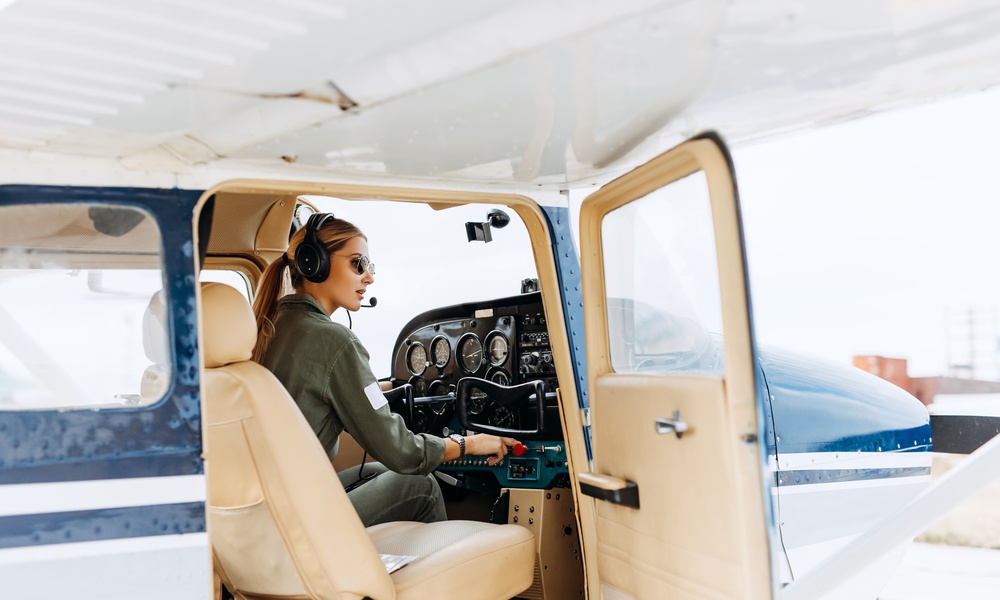
Private pilot training has always been a dream for many, but traditional training programs often come with steep barriers like high costs and limited networking opportunities. Flight clubs are changing that narrative. Keep reading to learn more about how flight clubs are changing private pilot training and how flight clubs might be the future of aviation education.
The Rise of Flight Clubs in Pilot Training
Flight clubs have gained traction in recent years, offering a unique twist to conventional pilot training. Unlike standard flight schools, flight clubs operate with a communal approach, pooling resources and leveraging collective knowledge to benefit all members. These clubs provide access to planes, flight instructors, and supplementary resources, creating an ecosystem where members can train, collaborate, and grow together.
The affordability factor is another major draw. Traditional private pilot training programs often involve high costs, sometimes making it prohibitively expensive for many. Flight clubs spread out these costs among members, significantly reducing the financial burden. Collaborative cost models open new doors for aspiring pilots who the financial barriers may have previously deterred.
How Flight Clubs Enhance Training Experience
Flight clubs go beyond affordability by fostering a supportive and inclusive training environment. Members often share their experiences, insights, and tips, creating a system where learning is not confined solely to interactions with instructors. This community-driven aspect adds a layer of mentorship and support that is often missing in traditional training setups.
Access to better-maintained aircraft is another advantage. Many clubs ensure they regularly service and upgrade their fleet, allowing students to practice on well-maintained, state-of-the-art planes. Maintenance is particularly beneficial for those learning to fly in dynamic weather conditions or for students who are considering the differences between private and commercial pilot training.
Flexibility is a game-changer for trainees juggling other responsibilities, such as full-time jobs or university classes. Unlike traditional flight schools with rigid schedules, flight clubs allow members to book aircraft and lessons at times that work best for them, making training more adaptable.
The Community Element of Flight Clubs
One of the most significant aspects of flight clubs is the strong sense of community they cultivate. Members share their aviation journeys, learn from each other’s mistakes, and celebrate achievements together. Clubs frequently hold events like fly-ins, safety seminars, and group trips, turning flight training into a social, as well as educational, experience.
This sense of belonging also helps foster long-term relationships that extend beyond training. Many private pilots continue to remain active members of their flight clubs even after earning their licenses, using these spaces for networking and skill enhancement.
The Future of Pilot Training Through Flight Clubs
Flight clubs are evolving private pilot training by addressing some of the most pressing challenges in aviation training today. They make training more affordable, flexible, and community-oriented. Aspiring pilots have the chance to learn within a system designed to support not just their technical growth but also their passion for aviation. Flight clubs effectively democratize access to what is an elite skill.
For anyone interested in learning to fly, flight clubs are undoubtedly worth exploring. Their emphasis on affordability and community is changing the face of private pilot training, creating a sustainable model that appeals to a new generation of pilots. With time, we may see an even broader shift toward this communal framework, paving the way for a more inclusive and efficient approach to aviation education.
