
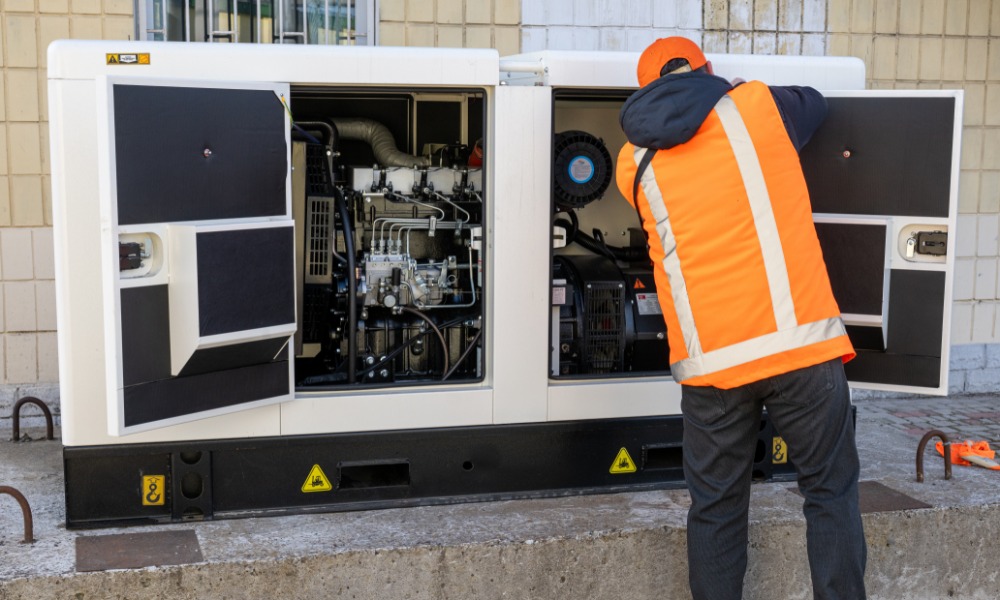
A standby generator can provide valuable protection when utility power fails, but reliable performance depends on regular maintenance. Like any engine-driven system, a generator contains moving parts, fluids, filters, electrical connections, and other components that require periodic attention.
For many homeowners, the main question is not whether maintenance matters, but how often do you need to service a standby generator? The right schedule depends on the generator model, operating hours, fuel type, environmental conditions, and manufacturer recommendations. A unit that runs for long periods during severe weather may need attention sooner than one that sees little use.
Follow the Manufacturer’s Maintenance Schedule
The owner’s manual should serve as the starting point for any maintenance plan. Generator manufacturers typically provide service intervals based on operating hours, elapsed time, or both.
Many standby generators need a professional inspection at least once per year, though some systems may require service at shorter intervals. Extended runtime can also accelerate maintenance needs. A generator that operates continuously for several days during an outage places considerably more demand on its engine and supporting components than a unit that completes only routine exercise cycles.
Homeowners should keep service records and track operating hours when possible. Doing so makes it easier to determine when oil changes, filter replacements, battery checks, and other maintenance tasks are due.
What a Typical Generator Service Includes
Now that you understand how often you need to service a standby generator, what does a maintenance check and service entail? A professional maintenance visit involves more than a visual inspection. Technicians evaluate several mechanical and electrical systems that work together when the generator starts and accepts a load.
Oil and Filter Inspection
Engine oil protects internal components from excessive friction and heat. As oil ages, it can lose its ability to provide proper lubrication.
Technicians may inspect the oil level, check its condition, and replace it when necessary. They may also replace the oil filter according to the manufacturer’s schedule.
Air Filter Maintenance
The engine needs a steady supply of clean air for proper combustion. Dust, pollen, debris, and other contaminants can collect in the air filter and restrict airflow.
A technician can inspect the filter and determine whether cleaning or replacement is appropriate. Homes in dusty locations, construction areas, or regions with heavy airborne debris may require more frequent filter attention.
Battery Testing
The battery provides the power necessary to start many standby generators. A weak battery can prevent the unit from starting even when the engine itself remains in good condition.
Battery terminals may develop corrosion, while aging batteries can gradually lose capacity. Routine testing helps identify declining performance before an outage places the system under real demand.
Spark Plug Inspection
Spark plugs play a key role in combustion for many generator engines. Worn, fouled, or damaged plugs can contribute to difficult starting, rough operation, or reduced performance.
Service technicians can inspect spark plugs for wear and replace them when the maintenance schedule demands it.
Fuel System Checks
Fuel delivery problems can prevent a generator from operating correctly. The specific inspection process depends on whether the system uses natural gas, propane, diesel, or another fuel source.
Technicians may examine fuel lines, connections, regulators, and related components for signs of damage or deterioration. Any suspected fuel leak requires prompt professional attention because of the associated safety risks.
Pay Attention To Exercise Cycles
Most modern standby generators perform automatic exercise cycles at scheduled intervals. These brief runs allow the engine to operate without waiting for a utility outage.
Homeowners should become familiar with the normal sound and behavior of their generator during these cycles. A noticeable change in startup time, engine sound, vibration, or exhaust may indicate that the system needs inspection.
An exercise cycle does not replace scheduled maintenance. A generator may start successfully during a short test yet still have a developing issue that becomes apparent only during extended operation or under electrical load.
Service the Generator After Extended Use
A long outage can place substantial stress on a standby generator. Systems may run for many consecutive hours while supplying essential household circuits, HVAC equipment, refrigeration, lighting, or other loads.
After extended operation, homeowners should review the manufacturer’s recommendations for post-use maintenance. An oil change, filter inspection, fluid check, or broader service visit may be appropriate depending on the unit and its operating hours.
Watch for Signals Your Generator Needs Immediate Maintenance
Scheduled service provides a useful baseline, but generator problems do not always follow a calendar. Changes in performance may justify an earlier inspection.
The system struggling to start is a clear sign that your home generator needs a tune-up. Other issues that demand attention include, unusual noises, repeated shutdowns, visible fluid leaks, inconsistent power output, warning lights, or unexpected fault codes. Changes in exhaust appearance or unusual odors can also indicate a problem that deserves professional evaluation.
Any issue involving fuel leaks, damaged wiring, overheating, or repeated shutdowns should receive prompt attention. These conditions can create safety risks or lead to more significant equipment damage.
Consider the Generator’s Environment
Installation conditions can influence maintenance requirements. Generators in areas that face dust, salt air, vegetation, insects, snow, or heavy debris may need additional inspection and cleaning.
Adequate airflow around the enclosure remains important. Leaves, grass clippings, and other materials can accumulate near vents or around the unit. Homeowners should keep the surrounding area clear while following all manufacturer requirements for safe distances and access.
Coastal environments may also expose metal components and electrical connections to corrosive conditions. In these settings, technicians may recommend additional inspection of hardware and connections.
Do Not Rely on Appearance Alone
A clean generator is not necessarily a fully functional generator. Many important components sit inside the enclosure or within the electrical system, where visual checks from outside reveal little about their condition.
A professional technician can test the battery, inspect internal components, review fault history, verify fluid condition, and evaluate the system more thoroughly.
Keep Maintenance Records
Simple records can make generator ownership easier. Homeowners should note service dates, operating hours, oil changes, filter replacements, battery replacements, and any repairs.
These records provide useful context when a technician investigates a problem. They can also help homeowners avoid missing service intervals after periods of heavy generator use.
If the unit changes ownership with the property, maintenance documentation can give the next homeowner a clearer picture of the generator’s history.
Build Maintenance Around Use, Not Just the Calendar
Annual maintenance provides a practical starting point for many standby generators, but elapsed time tells only part of the story. Operating hours, outage duration, installation conditions, and manufacturer requirements all influence when service becomes necessary.
A generator that has run extensively during several outages may need attention well before its next yearly appointment. Conversely, a lightly used system still needs routine inspection because batteries, fluids, connections, and other components can deteriorate with age.
The most dependable approach combines scheduled professional maintenance with basic homeowner observation. By tracking operating hours, watching exercise cycles, and responding quickly to unusual behavior, homeowners can reduce the risk of discovering a maintenance problem during the next power interruption.
