
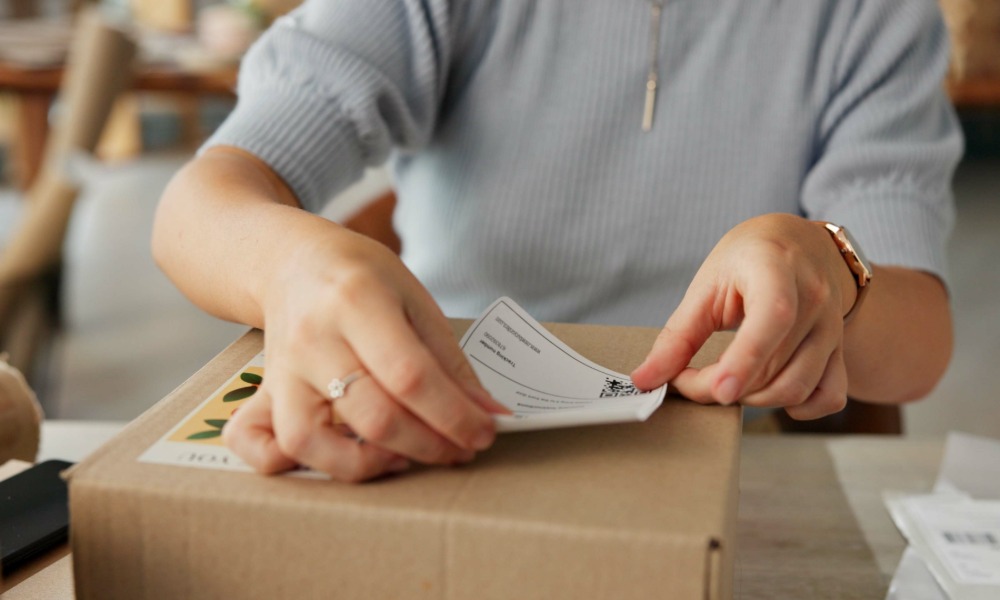
For many businesses, packaging is treated as a routine operational expense. Boxes, tape, fillers, labels, and pallets may seem like small costs compared to labor, inventory, or transportation. However, how packaging decisions impact a company’s bottom line becomes much clearer when those choices are viewed across thousands of shipments, warehouse movements and customer interactions.
Packaging affects more than the price of materials. It influences shipping rates, product damage, storage efficiency, labor time, sustainability goals, and the customer’s perception of the brand. When companies make packaging decisions without a larger strategy, they often spend more than necessary while creating avoidable operational problems.
Material Costs Add Up Quickly
One of the most direct ways packaging affects profitability is through material cost. Businesses that automatically buy new packaging for every shipment may be missing opportunities to reduce expenses. In many cases, used or recycled boxes can provide the durability needed for internal transfers, bulk shipping, storage, or less presentation-focused deliveries.
Understanding the difference between used and new cardboard boxes can help companies decide where premium packaging is necessary and where cost savings make more sense. By evaluating packaging needs based on actual use cases, businesses can often reduce spending without sacrificing functionality or reliability.
Packaging Influences Shipping Expenses
Shipping costs are another major factor. Oversized boxes, excess void fill, and inefficient packing methods can increase dimensional weight charges and reduce the number of items that fit on a truck or pallet. Even small improvements in package sizing can create meaningful savings over time.
A better-fitting box also reduces the need for extra packing materials, which lowers both supply costs and waste. For companies shipping large volumes of products, these incremental savings can accumulate into significant annual reductions in operating expenses.
Product Protection Impacts Profitability
Packaging also plays a key role in product protection. Choosing the cheapest option is not always the most profitable decision if it leads to damaged goods, replacements, refunds, or unhappy customers.
The right packaging should match the product’s weight, fragility, destination, and handling conditions. A durable, appropriately sized box can help prevent losses before they occur. Investing in proper packaging often costs far less than dealing with the consequences of damaged shipments.
Better Packaging Supports Warehouse Efficiency
Warehouse efficiency is another area where packaging choices matter. Standardized box sizes can make storage, picking, packing, and palletizing easier for employees. When teams work with inconsistent or poorly suited packaging, they often spend more time adjusting materials, repacking products, or dealing with cluttered storage areas.
Those extra minutes may seem insignificant on a single order, but across hundreds or thousands of shipments, labor costs can rise considerably. Streamlined packaging processes contribute to smoother warehouse operations and improved productivity.
Customer Experience Matters
Packaging is often the first physical interaction a customer has with a product after placing an order. Damaged, wasteful, or poorly packed shipments can weaken trust and create negative impressions.
On the other hand, secure and thoughtfully selected packaging demonstrates professionalism and attention to detail. Positive customer experiences can contribute to repeat purchases, stronger brand loyalty, and favorable reviews.
Looking Beyond the Box
Ultimately, how packaging decisions impact a company’s bottom line depends on how effectively a business balances cost, protection, efficiency, sustainability, and customer expectations. Packaging may seem like a small operational detail, but strategic decisions in this area can reduce waste, improve workflows, protect products, and strengthen profitability throughout the supply chain.
