
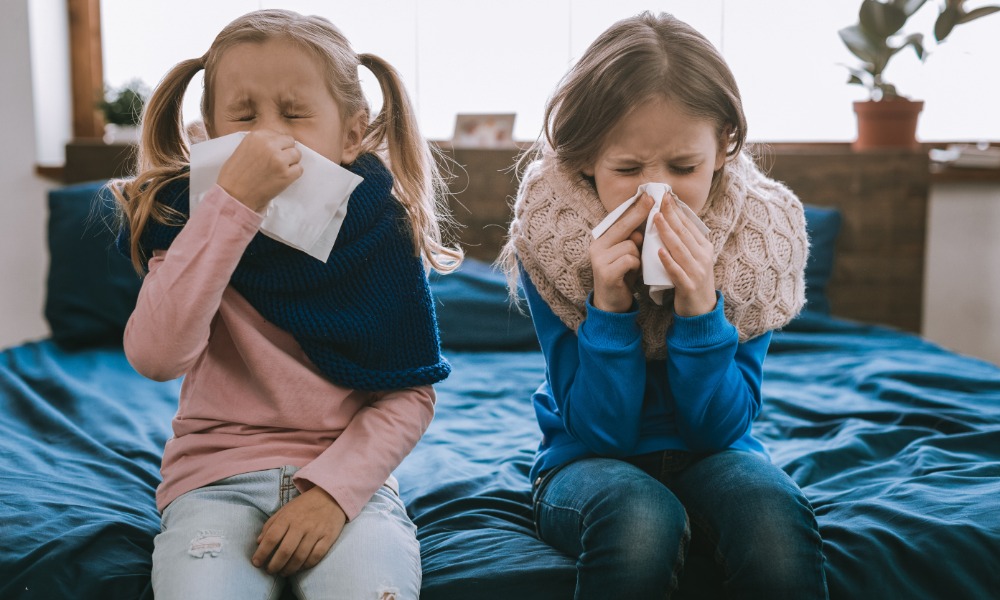
Seasonal changes influence more than daily routines and outdoor activities. As temperatures shift and people spend more time indoors, respiratory viruses often circulate more widely, creating additional health concerns for individuals with greater susceptibility to complications. Understanding how seasonal illnesses affect vulnerable populations helps communities recognize health risks, strengthen prevention efforts, and support people who face greater challenges during periods of increased illness.
Influenza, respiratory syncytial virus (RSV), and other respiratory infections can affect people differently depending on their age, immune function, and underlying health conditions. While many healthy adults recover without serious complications, vulnerable individuals may experience prolonged illness or require hospitalization. Recognizing these differences allows healthcare providers, families, and community organizations to respond more effectively.
Why Certain Populations Face Greater Health Risks
Not everyone responds to respiratory infections with the same level of resilience. Older adults, young children, pregnant individuals, and people with certain chronic medical conditions often face greater risks of severe complications. Their immune responses, physiological characteristics, or existing health challenges can make recovery more difficult.
Age plays an important role in determining how the body responds to infection. Infants and young children have developing immune systems, while older adults experience gradual changes in immune function. These differences can influence how effectively the body recognizes pathogens and responds to illness.
How Seasonal Patterns Influence Disease Transmission
Respiratory illness patterns vary according to climate, population behavior, and the characteristics of individual viruses. In many temperate regions, influenza and RSV activity increases during colder months. However, tropical and subtropical locations may experience different seasonal patterns, including periods of heightened transmission during rainy seasons.
Indoor gatherings can create opportunities for respiratory viruses to spread between individuals. Crowded environments, limited ventilation, and prolonged close contact increase exposure opportunities. These factors can explain why schools, workplaces, and residential facilities sometimes experience clusters of respiratory infections.
The Challenges Older Adults Face During Flu Season
Older adults frequently experience greater risks from influenza because aging changes immune function and reduces certain physiological reserves. Existing medical conditions can further complicate recovery, especially when respiratory infections place additional demands on the heart and lungs. These concerns make prevention particularly important for seniors who live independently or receive long-term care.
Families and caregivers can keep seniors healthy during flu season by encouraging recommended vaccinations, supporting appropriate hygiene practices, and helping older relatives access timely medical care. Regular communication also helps caregivers recognize changes in health before symptoms become severe. Prevention strategies work best when they reflect an individual’s medical history and living circumstances.
Why Children Require Different Prevention Strategies
Young children face distinct risks because their immune systems continue developing as they encounter new pathogens. Infants, particularly those born prematurely or with certain medical conditions, may experience serious complications from RSV. Influenza can also cause significant illness among children, especially those younger than five.
Schools and childcare environments create frequent opportunities for infectious diseases to circulate. Children share indoor spaces, interact closely, and may struggle to maintain consistent hygiene habits. Parents and educators can reduce transmission opportunities through practical prevention measures and clear illness policies.
How Chronic Conditions Increase Complication Risks
Seasonal respiratory illnesses can aggravate existing health problems and make routine disease management more difficult. Individuals with asthma or chronic obstructive pulmonary disease may experience worsening respiratory symptoms during infections. People with heart disease can also face additional cardiovascular stress as their bodies respond to illness.
Diabetes introduces further considerations because infections can disrupt blood glucose management. Fever, appetite changes, and dehydration may complicate established treatment routines. Patients benefit from discussing illness-management plans with their healthcare teams before respiratory virus activity increases.
Practical Prevention Measures That Reduce Exposure
Preventing seasonal illness requires several complementary strategies rather than dependence on one protective measure. Vaccination can reduce the risk of certain infections and serious outcomes, while everyday precautions can limit exposure opportunities. Communities benefit when individuals understand how their decisions affect people with greater medical vulnerability.
Effective prevention measures include:
- Recommended vaccinations: Follow current guidance for influenza, COVID-19, RSV, and other relevant immunizations.
- Hand hygiene: Wash hands regularly and use appropriate sanitizers when soap and water remain unavailable.
- Improved indoor air quality: Increase ventilation or use suitable air filtration where practical.
- Respiratory precautions: Consider well-fitting masks in higher-risk settings or during periods of elevated transmission.
- Staying home when sick: Reduce close contact with others while experiencing contagious respiratory symptoms.
Healthcare professionals can help individuals prioritize these measures according to their circumstances. Families should also consider the needs of household members who face elevated complication risks. Consistent prevention efforts can reduce avoidable exposure without eliminating essential social interactions.
The Importance of Early Recognition and Treatment
Recognizing symptoms promptly can improve medical decision-making, particularly for high-risk patients. Influenza, COVID-19, and RSV can produce overlapping symptoms, including coughing, fever, and fatigue. Appropriate testing may help healthcare professionals determine which treatments or precautions best suit an individual’s condition.
Certain antiviral medications can reduce influenza complications when clinicians prescribe them appropriately, particularly when treatment begins early. Some high-risk patients may benefit from treatment even when symptoms have persisted beyond the usual early-treatment window. Patients should seek medical guidance promptly rather than waiting for symptoms to become severe.
How Communities Can Support Vulnerable Residents
Public health protection extends beyond individual households and healthcare facilities. Community organizations, employers, schools, and local governments can help residents access reliable information and preventive services. Their efforts become particularly valuable when transportation limitations, financial pressures, or limited healthcare access create barriers.
Long-term care facilities require especially careful infection prevention because residents often share spaces and experience elevated medical risks. Staff education, vaccination programs, and appropriate infection-control procedures can protect residents. Facilities must also balance infection prevention with residents’ social and emotional needs.
Building Long-Term Resilience Against Seasonal Illness
Seasonal respiratory infections will continue challenging healthcare systems and vulnerable populations, but preparation can reduce their impact. Communities that prioritize prevention, timely treatment, and accessible medical guidance create stronger protection for residents with elevated health risks. Public health strategies should also recognize that age, medical history, and social circumstances influence individual vulnerability.
Ultimately, protecting vulnerable populations from seasonal illnesses requires cooperation between healthcare professionals, families, and community organizations. Effective vaccination programs, informed personal decisions, and early recognition of complications can reduce serious outcomes. By approaching seasonal illness prevention as a shared responsibility, communities can support healthier residents throughout the year.

 The World Beast

