
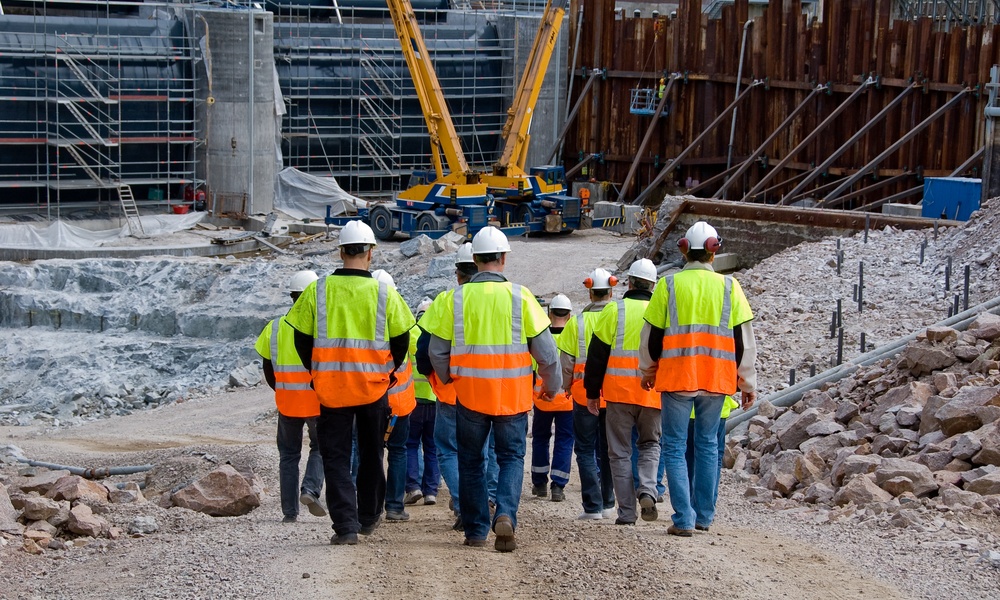
Personal protective equipment (PPE) is selected according to the hazards associated with a particular job. Yet the work itself is only part of the equation. Weather and seasonal conditions can change how PPE fits, performs, and affects the person wearing it.
A setup that is practical on a mild spring morning may become uncomfortable during summer heat or inadequate once winter temperatures arrive. Rain, wind, shorter daylight hours, and fluctuating temperatures create additional concerns.
Adapting jobsite PPE for changing seasons does not mean compromising on established safety requirements. Instead, employers and workers can account for changing environmental conditions while ensuring PPE remains appropriate for the hazards of the job.
Start With the Present Hazards
Seasonal adjustments should begin with the same principle used for PPE selection throughout the year: identify workplace hazards first. Weather is an additional factor rather than a replacement for the underlying risk assessment.
Depending on the job, workers may need protection against impacts, falling objects, chemicals, excessive noise, airborne contaminants, vehicle traffic, electrical hazards, or other risks. Required protection should continue to meet applicable workplace standards even when temperatures change. Replacing protective equipment solely because another option feels cooler, lighter, or warmer can introduce problems if the substitute is unsuitable for the hazard.
Adjust PPE for Summer Heat
Hot weather presents a particular challenge because PPE can add insulation, restrict airflow, or increase the physical burden on workers. Employers should consider the combined effect of environmental heat, workload, clothing, and protective equipment when planning hot-weather work.
Where the job allows it, lighter and more breathable equipment can make a difference. High-visibility apparel illustrates the importance of matching garment construction to worksite conditions. For example, understanding the differences between mesh and solid safety vests clarifies how ventilation, durability, and the working environment influence vest selection. That does not mean the lightest option is automatically appropriate. Visibility requirements, surrounding hazards, garment condition, and the type of work being performed still matter.
Summer planning should also extend beyond clothing. Work schedules, access to drinking water, opportunities for recovery in cooler areas, and awareness of heat-related symptoms are important parts of managing hot conditions.
Prepare for Cold Without Creating Problems
Winter presents the opposite challenge—workers may need additional insulation, but simply adding layers underneath existing PPE can affect fit and movement. Bulky clothing may interfere with harnesses, high-visibility garments, gloves, protective footwear, and other equipment. Workers should be able to move normally and use tools without protective items shifting out of their intended positions.
Layering is often useful because conditions can change during a shift. A worker may begin outdoors in freezing temperatures, move into a heated structure, and later return outside. Multiple appropriate layers make it easier to adjust clothing as activity and temperature change.
Outer garments also deserve attention. If high visibility is necessary, covering a compliant garment with an ordinary winter coat can undermine its purpose. Cold-weather apparel should be selected with the site’s visibility and protective requirements in mind.
Account for Mud and Moisture
Rain can change a jobsite quickly. Surfaces become slippery, visibility may decline, and clothing can become saturated. Wet garments also contribute to discomfort and heat loss in cool conditions.
Rainwear should provide appropriate weather protection without interfering with movement or other PPE. When visibility around vehicles or equipment is a concern, outer rain garments should maintain the level of conspicuity required for the work. Footwear also becomes especially important during wet seasons. Soles should be appropriate for jobsite conditions, as damaged or heavily worn footwear may provide less reliable traction.
Moisture can affect stored PPE as well. Equipment that becomes wet should be handled according to the manufacturer’s instructions rather than simply being placed in a closed container until the next shift. Routine inspections identify damage, contamination, deterioration, or other issues that could affect performance.
Consider Changing Daylight Conditions
Seasonal PPE planning is not only about temperature. Autumn and winter bring fewer daylight hours. A crew that performed most tasks in daylight during summer may find themselves arriving before sunrise or working into darkness later in the year. This makes visibility an important part of seasonal jobsite PPE planning, particularly where workers are exposed to moving vehicles, construction equipment, or other mobile machinery.
High-visibility garments should be kept clean and inspected regularly because dirt, wear, fading, and damage can reduce their effectiveness. Lighting conditions should also be considered at the site level. PPE makes workers easier to see, but it does not replace adequate illumination where lighting is needed to perform work safely.
Treat Spring and Fall as Transition Periods
The most difficult seasons to plan for are sometimes the ones between temperature extremes. Spring and fall can produce large temperature swings within a single shift.
Morning conditions might require insulation, while afternoon temperatures make the same clothing uncomfortable. Rain, wind, and rapidly changing weather can complicate matters further.
Adapting jobsite PPE for changing seasons can be more practical than treating each day as either hot or cold. Appropriate removable layers and weather-resistant outerwear allow workers to respond to changing conditions while maintaining required protection. Supervisors can also review forecasts before shifts and reconsider PPE arrangements when substantial changes are expected.
Check Fit Whenever Clothing Options Change
One of the easiest seasonal issues to overlook is fit. Adding a sweatshirt, insulated jacket, rain shell, or other layer changes the dimensions underneath PPE. Removing layers has the opposite effect; equipment adjusted over heavy winter clothing may not fit correctly when worn over a lightweight shirt several months later.
Fit should be reassessed whenever seasonal clothing options change significantly. The exact procedure depends on the equipment involved, and manufacturer instructions should be followed.
Workers should also report equipment that no longer fits correctly rather than attempting improvised modifications. PPE works as a system, and one poorly fitting component can interfere with another.
Make Seasonal Reviews Routine
PPE should not be treated as a once-a-year purchasing decision. Seasonal transitions provide a useful opportunity to inspect equipment, reconsider environmental conditions, and reinforce expectations with workers.
Before major weather changes, workplaces can review whether existing PPE remains suitable, inspect equipment for wear, confirm proper sizing and fit, and determine whether different approved options are needed for upcoming conditions. The objective is consistency rather than constant replacement. Core jobsite hazards may remain the same throughout the year, but the conditions surrounding workers can change dramatically.
A thoughtful seasonal approach recognizes both realities. By considering heat, cold, precipitation, daylight, clothing layers, fit, and the underlying workplace hazards, employers can keep PPE practical as conditions change.
