
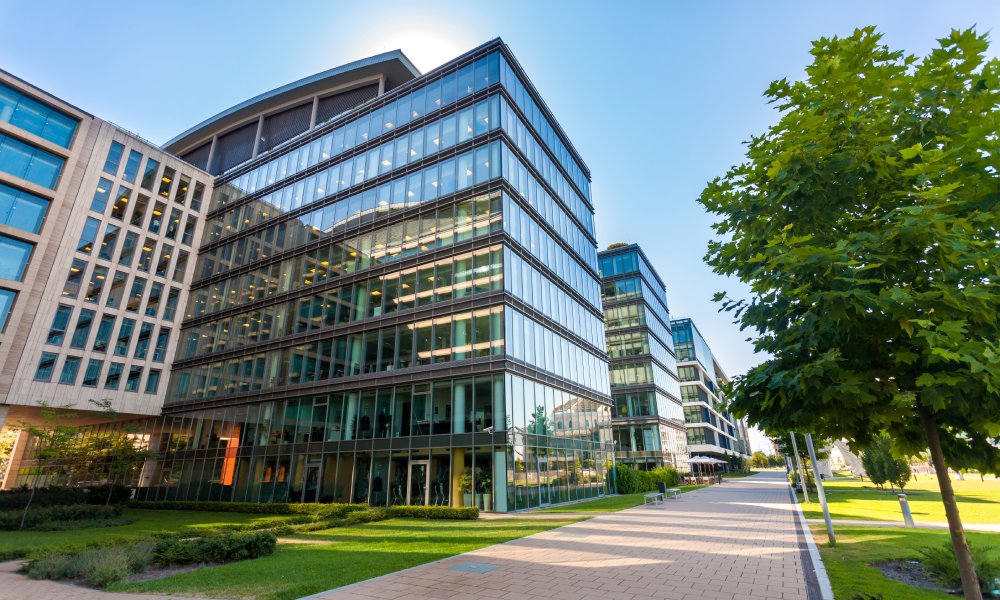
Architecture shapes first impressions. The moment customers step through your doors, they form opinions that influence their purchasing decisions and long-term loyalty. Savvy businesses recognize that their physical spaces are powerful marketing tools, conveying brand values silently.
Creating a unique brand experience through architecture is a strong differentiator in competitive markets. They affect customers’ emotions, actions, and perceptions of their brand experiences. Consider how each architectural element can reinforce your brand identity while serving functional needs.
Design Spaces That Reflect Your Brand Identity
Your architectural choices should mirror your brand’s personality. For example, a tech startup might use sleek glass and open layouts to signal innovation, while a luxury brand could use warm woods and dramatic lighting to convey exclusivity.
Consider how materials, colors, and spatial arrangements can reinforce your brand message. Bold geometric patterns might suit a creative agency, while curved lines and natural materials could serve a wellness brand. Every architectural element is an opportunity to strengthen brand recognition.
Use Lighting to Set the Mood
Strategic lighting can shape customer behavior and emotions. Bright, white lights energize spaces and promote quick decisions. This is ideal for fast-casual restaurants or retail. Warm, dim lighting fosters intimacy. It encourages guests to stay longer, making it ideal for fine dining or boutique hotels. Use layered lighting to provide ambient illumination, task-specific lighting, and accents to statement features.
Incorporate Interactive Elements
Modern customers expect engagement that extends beyond traditional shopping and dining experiences. Interactive architectural features transform passive visitors into active participants. Touch-responsive walls, digital displays integrated into structural elements, or modular furniture that customers can rearrange all create memorable moments.
These elements generate social media content as customers photograph and share their experiences. A Pinterest, Instagram, or TikTok-worthy architectural detail can extend your brand reach far beyond your physical location.
Optimize Acoustics for Your Brand Message
Sound quality affects customer comfort and brand perception. Restaurants benefit from acoustic treatments that enable conversation without shouting, while retail spaces may utilize strategic sound placement to create intimate shopping zones.
Hard surfaces, such as concrete and glass, create energy and excitement, but can also become overwhelming when noise levels rise. Soft materials, such as fabric panels and carpeting, absorb sound and create calm environments. Balance these materials based on your desired atmosphere.
Design Flexible Spaces for Future Growth
Architecture must support evolving business requirements. Using modular design components enables flexible reconfiguration of spaces as your brand develops or customer preferences change.
For example, when setting up your craft brewery, consider using a steel building. Steel construction provides the flexibility for future expansion and layout adjustments. Features like removable walls, adjustable fixtures, and versatile zones add lasting value and help avoid expensive renovations.
Integrate Technology Seamlessly
Modern customers expect technological integration without visual clutter. Concealed wiring, built-in charging stations, and discreet digital displays maintain a clean aesthetic while providing modern conveniences.
Plan technology infrastructure during the design phase rather than retrofitting later. This approach reduces costs and creates cleaner installations that support rather than detract from your architectural vision.
Spaces that blend aesthetic appeal with functional design create lasting impressions, which can convert visitors into loyal customers. Successful brands understand that each architectural choice plays a role in their marketing strategy. Therefore, physical spaces are crafted to actively foster unique brand experiences through thoughtful architectural design.
