
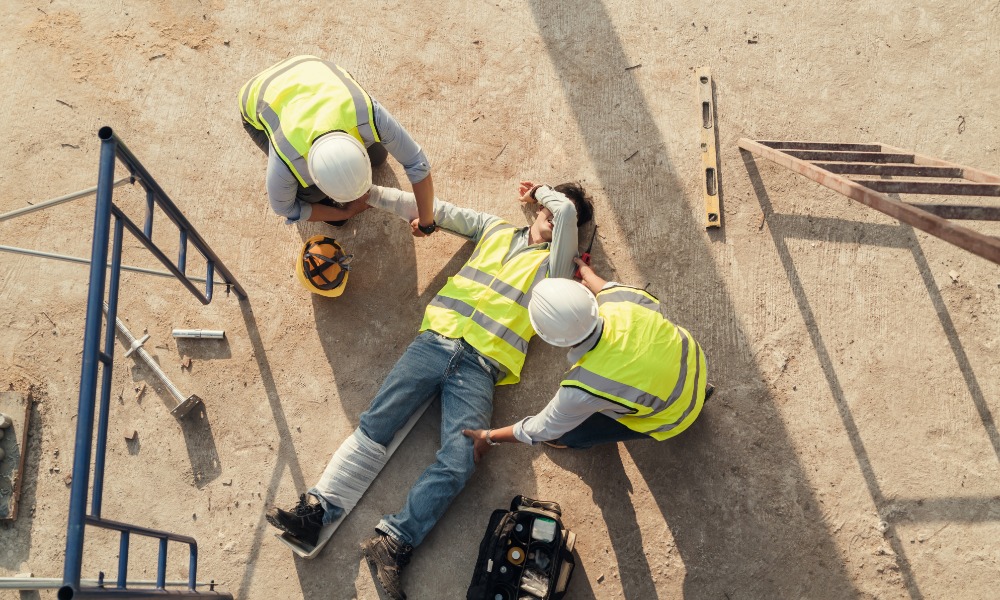
Construction sites involve plenty of moving parts, and even the most experienced crews occasionally encounter unexpected problems. Equipment breaks down, workers suffer injuries, and changing conditions create hazards that demand immediate attention. While careful planning helps prevent many incidents, no construction project can eliminate every possible risk. What matters most is how your team responds when something goes wrong. A quick, organized response can protect workers, minimize property damage, and prevent minor problems from becoming serious emergencies. Understanding how to handle common construction site mishaps helps you maintain a safer workplace while keeping your project moving forward.
Stay Calm and Assess the Situation
When something goes wrong, your first priority should involve understanding the situation without creating additional risks. Panicking or rushing toward an incident without evaluating the surroundings can make matters worse.
Take a moment to identify the immediate dangers. Look for unstable structures, moving machinery, exposed electrical components, or hazardous materials. Determine whether anyone needs medical assistance and whether the situation requires emergency services.
Supervisors should establish clear communication immediately. Workers need straightforward instructions about where to go and which areas to avoid. Maintaining control during those first few minutes helps everyone respond appropriately.
Prioritize Worker Safety Above Everything Else
Construction deadlines matter, but worker safety must always come first. If an incident creates dangerous conditions, stop nearby operations until someone qualified determines that work can safely continue.
Never pressure employees to continue working around equipment failures or unstable structures. Even seemingly minor hazards can cause serious injuries when crews ignore warning signs.
Encourage workers to report unsafe conditions immediately. Employees should feel comfortable raising concerns without worrying about punishment or criticism.
A workplace that prioritizes safety encourages everyone to take responsibility for preventing additional incidents.
Respond Quickly to Workplace Injuries
Worker injuries require immediate attention, regardless of how serious they initially appear. Even minor accidents can involve complications that workers might not recognize right away.
Start by checking the surrounding area for hazards before approaching an injured employee. Contact emergency services when the situation involves serious injuries or potentially life-threatening conditions.
Only trained personnel should provide first aid within their level of training. Avoid moving injured workers unless remaining in their current location presents an immediate danger.
Keep a well-stocked first aid kit accessible throughout the construction site. Supervisors should also know where emergency medical equipment sits and how to contact local responders.
Handle Equipment Breakdowns Safely
Heavy machinery plays an essential role in construction operations, but mechanical failures can create dangerous situations.
When equipment begins malfunctioning, operators should stop using it immediately and follow appropriate shutdown procedures. Never attempt repairs while machinery remains energized or while moving components pose a danger.
Qualified technicians should inspect the equipment before anyone resumes operation. Depending on the problem, repairs might require replacement components or specialized maintenance.
Regular inspections can reduce unexpected breakdowns, but crews still need clear procedures for handling mechanical failures when they occur.
Contain Hazardous Material Incidents
Construction sites frequently contain fuels, solvents, and other substances that require careful handling. Improper storage or accidental spills can threaten worker health and surrounding environments.
For example, a hazmat storage failure might release dangerous chemicals into an active work area. Workers should immediately alert supervisors and move away from potentially harmful exposure.
Never attempt to clean an unknown substance without appropriate training and protective equipment. Follow the site’s emergency response plan and contact qualified hazardous material responders when necessary.
Proper containment procedures can prevent contamination from spreading into nearby workspaces or drainage systems.
Establish Clear Emergency Communication Procedures
Confusion during emergencies can delay assistance and expose additional workers to danger. Every construction site needs a communication system that employees understand.
Supervisors should explain emergency procedures during onboarding and reinforce them through regular safety meetings.
Your communication plan should address several important responsibilities:
- Emergency contacts: Maintain current contact information for emergency services and site supervisors.
- Evacuation instructions: Identify safe exits and designated gathering areas.
- Incident reporting: Explain how employees should notify management about accidents.
- Worker accountability: Establish procedures for confirming everyone’s safety after evacuations.
- Communication equipment: Keep reliable radios or other communication devices accessible.
Clear instructions help employees respond confidently when unexpected situations arise.
Document Every Incident Thoroughly
Accurate documentation helps construction companies understand what happened and identify ways to prevent similar problems.
After addressing immediate safety concerns, supervisors should record the incident’s location, circumstances, and potential contributing factors. Include photographs when conditions allow safe documentation.
Gather statements from employees who witnessed the event. Encourage workers to describe what they observed without assigning blame or making assumptions.
Keep detailed records of equipment damage and any corrective actions your team takes.
Construction companies must also follow applicable workplace injury reporting requirements. Certain serious incidents require prompt notification to the Occupational Safety and Health Administration.
Investigate the Cause Before Resuming Work
Fixing the immediate problem doesn’t necessarily eliminate the underlying hazard. Construction managers should investigate incidents to determine why they occurred.
Consider whether equipment maintenance, inadequate training, or unsafe working conditions contributed to the situation.
For example, repeated machinery failures might indicate an ineffective inspection schedule rather than isolated mechanical problems.
Speak with employees who understand the affected equipment or work process. Their experience can reveal practical concerns that supervisors might otherwise overlook.
Use your findings to establish corrective measures before allowing crews to resume affected operations.
Manage Weather-Related Construction Emergencies
Sudden weather changes can create serious problems on construction sites. Heavy rainfall may destabilize excavations, while strong winds can make elevated work particularly dangerous.
Monitor weather forecasts throughout the project and establish clear thresholds for suspending hazardous activities.
When severe weather approaches, secure loose materials and direct workers toward appropriate shelter. Avoid operating cranes or performing elevated tasks when conditions exceed safe operating limits.
After the weather passes, inspect the site for new hazards before restarting operations.
Excavations, temporary structures, and electrical systems deserve particular attention because weather can compromise their safety.
Address Structural Problems Immediately
Unexpected structural movement, damaged supports, or unstable scaffolding demands immediate action.
Stop work in the affected area and prevent unauthorized access. Workers should never attempt to stabilize a compromised structure without appropriate expertise.
Contact a qualified engineer or other authorized professional to evaluate the problem and recommend corrective measures.
Temporary supports might help address certain conditions, but professionals must determine their suitability.
Do not resume work until the responsible qualified personnel confirm that the affected area meets applicable safety requirements.
Review Your Emergency Response Afterward
Every incident provides an opportunity to evaluate your company’s safety procedures.
Once the situation stabilizes, gather supervisors and relevant employees to discuss how the response unfolded.
Identify which procedures worked effectively and where communication or coordination caused difficulties.
Ask whether workers had access to necessary supplies and understood their responsibilities.
Update emergency plans based on these findings. Share important changes with employees before their next shift.
Regular reviews help your team improve its response without waiting for another serious incident.
Provide Additional Training When Necessary
Some construction mishaps reveal gaps in employee knowledge or experience.
If workers struggle with equipment shutdown procedures or emergency communication, schedule targeted training sessions.
Focus on practical exercises that reflect actual construction site conditions. Demonstrations and supervised practice often help employees understand procedures more effectively than written instructions alone.
Include subcontractors when their responsibilities overlap with your emergency response plans.
Training should remain an ongoing responsibility rather than a one-time requirement.
Build a Safer Construction Site Moving Forward
Handling construction mishaps effectively requires preparation and a willingness to improve existing practices. While unexpected incidents can interrupt operations, your response determines how much additional damage or disruption occurs.
Encourage open communication and maintain dependable emergency procedures. Make sure employees understand that reporting problems early protects everyone.
Construction managers who consistently review incidents and address underlying hazards can reduce future risks while supporting more efficient operations.
Ultimately, a safer construction site depends on workers and supervisors making responsible decisions every day. When your team understands how to respond to emergencies, everyone can approach unexpected challenges with greater confidence and care.
