
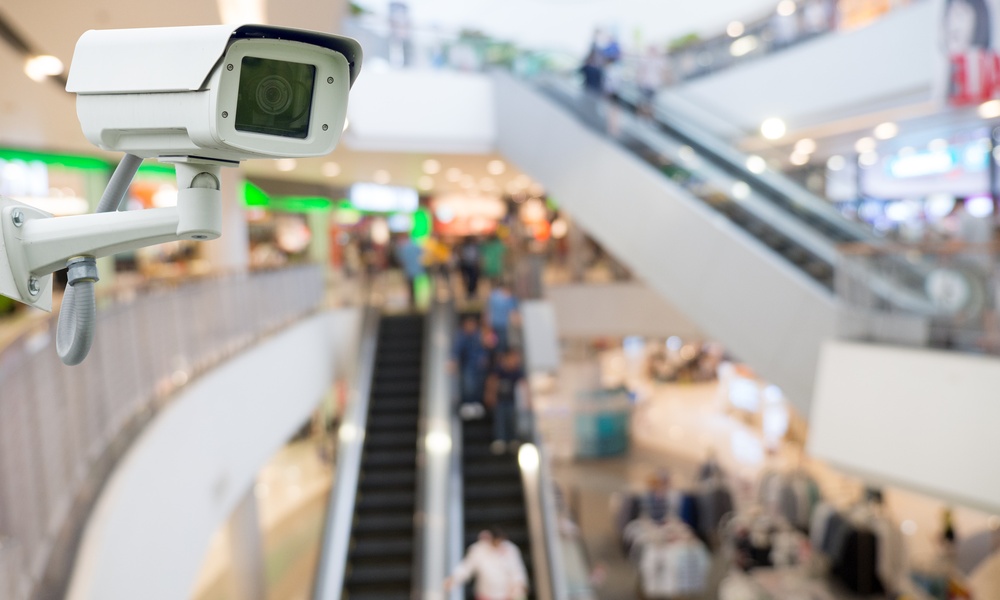
Nighttime changes the security profile of a mall almost as soon as the last stores close. Busy corridors become quiet, staff numbers fall, exterior areas lose regular foot traffic, and service zones can become harder to supervise. A strong physical security plan must account for these changes rather than treat closed hours as a quieter version of normal operations.
Increasing physical nighttime mall security starts with an accurate view of how people could enter the property and where weak points may exist. Security teams need clear procedures that place officers where their presence matters most and give them authority to address unusual conditions quickly. Physical barriers, dependable access systems, useful camera coverage, and responsive maintenance all support that effort.
Make Officer Presence Difficult to Predict
A visible officer can discourage unwanted conduct before an incident ever requires a formal response. Predictable patrol habits, however, can give observant offenders opportunities to determine when an area receives little attention. Security supervisors should vary officer movement enough to prevent easy assumptions about where patrol staff will appear next.
Officers should also approach each patrol as an active security task rather than a simple walk through the property. A door that appears slightly open or an unexpected person in a restricted zone deserves professional attention. Alert patrol habits transform routine officer presence into a more effective physical deterrent throughout closed hours.
Eliminate Places That Conceal Suspicious Activity
Poor visibility gives unauthorized persons more freedom to approach entrances or remain near the property without easy detection. Exterior darkness can also make it harder for officers to judge a situation before they move closer. Mall management should treat clear visibility as an essential part of nighttime physical security.
The same concern applies when physical objects block important views across the property. Landscaping, temporary displays, signs, equipment, or other obstructions can create concealment near areas that officers need to observe. Clear sightlines give security personnel more time to identify unusual conduct and choose an appropriate response before direct contact occurs.
Create Strong Control at Mall Entrances
Every entrance represents a potential weakness when access controls fail, or staff applies closure procedures without enough care. Mall leaders should establish firm rules that determine when public access ends and how authorized personnel enter once those hours pass. Officers can then treat unexpected access as an event that deserves immediate verification.
Physical doors deserve particular attention because a damaged entrance can undermine several other security measures at once. Slow movement or repeated access errors deserve prompt review from qualified personnel. Learning the common signs an automatic door needs repair will help security teams recognize vulnerable entrances before those faults create greater exposure.
Use Cameras to Extend Officer Awareness
Security cameras give officers a broader view of the mall when fewer employees remain available to notice unusual activity. Their value falls quickly when darkness or physical obstructions prevent useful observation. Mall security teams should examine actual nighttime footage rather than assume daytime camera performance will remain adequate after dark.
Live observation can also help officers respond with better information when something unusual occurs elsewhere on the property. A security desk can provide useful context before a patrol officer reaches the scene and reduce uncertainty during an initial approach. Cameras work best as support for active physical security rather than as a substitute for officer presence.
Treat Restricted Areas as Separate Security Zones
Service spaces can become attractive access routes because they receive less attention from the public and may connect directly with tenant areas. Unauthorized access in these locations can place merchandise and interior mall spaces at greater risk. Security policies should make entry into restricted areas deliberate rather than casual.
An unexpected contractor or vendor should not gain access simply because that person appears familiar with the property. Officers need enough information to verify legitimate access before they permit movement through secure portions of the mall. Consistent enforcement prevents convenience from gradually weakening restrictions that exist for valid security reasons.
Give Parking Areas Direct Security Attention
A mall security plan can become too focused on the building itself and overlook what happens between an employee and the property perimeter. Parking areas often become quieter after closure, with fewer witnesses and less natural activity around vehicles or pedestrian routes. Officer presence can reduce that isolation and provide employees with greater access to immediate assistance.
Security personnel should also remain attentive to behavior that appears inconsistent with normal nighttime activity. An unfamiliar vehicle that remains near a closed entrance or a person who repeatedly approaches restricted property deserves reasonable observation. Early recognition allows officers to assess questionable activity before it reaches a more sensitive part of the mall.
Build Faster Communication Between Officers
Physical security loses effectiveness when officers discover a problem but cannot communicate it clearly to the rest of the team. Radio reports should provide enough detail for another officer to understand the location and nature of the concern without unnecessary confusion. Clear communication becomes especially important when several officers must respond from different parts of a large property.
Security personnel also need confidence about who has authority to make important decisions during an incident. Uncertainty can waste valuable time when a damaged entrance or emergency demands immediate action. Clear responsibilities allow the team to move from observation to an organized response with fewer delays.
Make Tenants Part of the Security Standard
Security officers cannot protect a mall effectively when individual tenant spaces remain vulnerable after employees leave. A poorly secured tenant entrance can create access opportunities that affect more than one business. Mall management should communicate clear expectations and address repeat security failures before weak habits become accepted practice.
Tenant employees can also provide information that security officers may never observe during routine patrols. Reports about unusual door behavior or repeated access can reveal patterns across several nights. Open communication gives security teams a broader understanding of conditions that deserve closer attention.
Keep Security Standards Responsive to Change
A security program should never become static simply because established procedures have worked in the past. Tenant layouts change, staff routines shift, physical equipment ages, and access patterns can develop in unexpected ways. Regular reviews allow mall leaders to determine whether existing controls still match the actual risks present across the property.
Nighttime observation remains especially valuable because reports cannot capture every weakness an experienced security professional can see firsthand. Leaders can compare written procedures with actual officer behavior and determine where physical conditions create unnecessary exposure. Frequent review keeps security practical and capable of adapting before a new weakness becomes familiar to potential offenders.
Increasing physical nighttime mall security requires more than adding officers or installing additional equipment. Strong protection develops when mall leaders understand how the property changes after closure and create controls that respond directly to those conditions. Every security measure should support faster recognition of unusual activity and a more confident response from trained personnel.
The strongest approach treats nighttime security as an active responsibility shared across the property. When mall leaders review their security environment regularly and correct weaknesses promptly, the property becomes far more difficult for unauthorized persons to exploit.
