
Security affects how residents feel about their homes and how confidently property managers can operate a community. Apartment complexes present unique challenges because residents share entrances, parking areas, and other common spaces. A strong security plan should address these areas without making tenants feel restricted. Property managers can reduce vulnerabilities through better access control, property maintenance, and clear communication. Understanding how to increase security at your apartment complex can help you make practical improvements that protect residents while creating a comfortable place to live.
Control Access to the Property
Controlling who enters the property creates a strong foundation for apartment security. Buildings with unrestricted entrances make it easier for unauthorized visitors to reach hallways or residential doors. Managers should evaluate entry points and make sure doors close and lock properly after residents use them.
Gates can also help manage vehicle access at larger communities. A controlled gate discourages unauthorized drivers from entering and gives management greater oversight of property traffic. However, gates only provide protection when they function correctly. Address mechanical problems quickly rather than leaving damaged gates open for extended periods. Managers should also establish a process for granting contractors and other service providers temporary access without leaving secured entrances unlocked.
Upgrade Building Entry Technology
Traditional keys can create management challenges because residents may lose them or make unauthorized copies. Modern access technology gives property managers more control over shared building entrances. Electronic fobs or mobile credentials allow management to change permissions without replacing physical locks whenever a resident moves.
In many communities, keyless entry systems transform apartment security by providing a more flexible way to control building access. Managers can quickly deactivate lost credentials instead of waiting to change a lock. Some systems also record entry activity, which can provide useful information when management needs to investigate an access concern. Choose technology that suits the property and establish clear procedures for issuing replacement credentials.
Improve Lighting Around Shared Areas
Dark areas can make residents uncomfortable and make suspicious activity harder to notice. Walk through the property after sunset to identify locations where lighting provides insufficient visibility. Pay particular attention to parking areas and frequently used walkways.
Replace burned-out bulbs promptly and trim vegetation that blocks existing fixtures. Position lighting so residents can see their surroundings without creating excessive glare through apartment windows.
Regular inspections help keep exterior lighting effective. Add lighting checks to routine property maintenance so damaged fixtures do not remain unnoticed for long periods.
Use Security Cameras Strategically
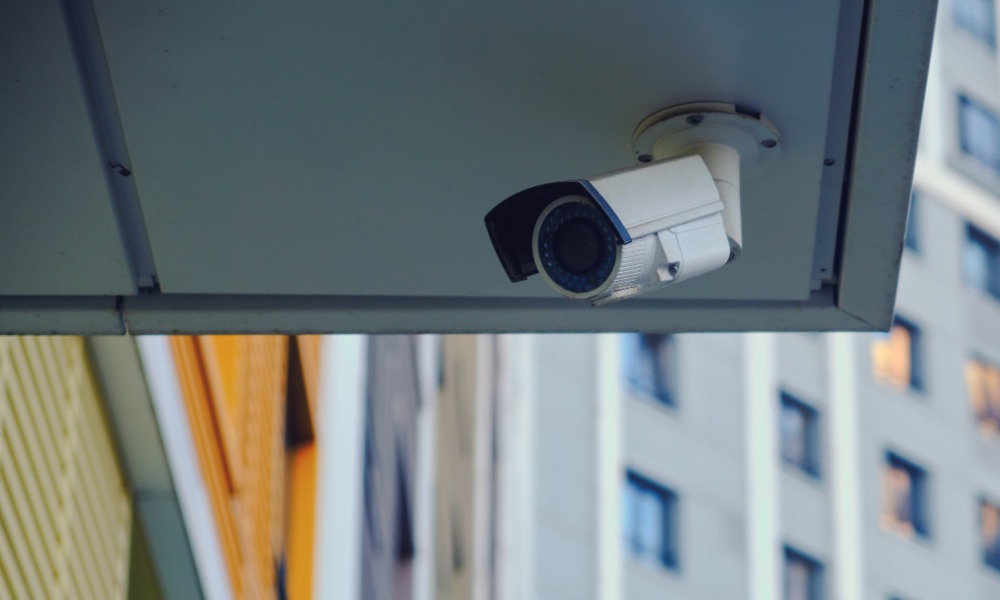
Security cameras can provide valuable oversight when managers place them thoughtfully. Focus coverage on building entrances or parking areas where residents regularly leave vehicles. Visible cameras may also discourage some unwanted activity.
Avoid treating cameras as a substitute for physical security measures. Cameras generally document events rather than physically stopping someone from entering a restricted space. Pair surveillance equipment with dependable locks and controlled entrances.
Management should establish procedures for storing footage and deciding who can access recordings. Residents should also understand where surveillance equipment operates throughout shared spaces.
Strengthen Individual Apartment Doors
Shared building security matters, but each apartment needs a dependable final barrier. Inspect unit doors between tenancies and repair damaged frames or locks that no longer work properly. Even a strong lock provides limited protection when the surrounding door has deteriorated.
Consider installing peepholes or another suitable viewing option when unit doors lack one. This feature allows residents to identify visitors before opening their doors.
Management should also respond promptly when tenants report lock problems. When residents move out, follow a consistent procedure for changing or rekeying applicable locks so previous credentials no longer provide access.
Maintain Landscaping for Visibility
Landscaping improves a property’s appearance, but overgrown vegetation can create concealed spaces near buildings. Keep shrubs at a manageable height around entrances and trim branches when they block lighting.
Consider visibility when adding new landscaping as well. Avoid placing dense plants directly beside entryways or ground-floor windows where they could obstruct sightlines.
Maintenance teams can watch for changing conditions during regular groundskeeping. Plants continue growing, so an area with clear visibility today may require additional trimming later.
Establish Clear Visitor Procedures
Visitors are a normal part of apartment living, but unclear access practices can weaken security measures. Create straightforward expectations for guests and communicate them to residents. Tenants should understand how to admit visitors without propping open secured doors.
Package deliveries also bring unfamiliar people into shared areas. Establish appropriate delivery locations when possible and communicate access expectations clearly. A secure package area can also prevent deliveries from remaining unattended in hallways or lobbies. Consistent procedures make unusual access behavior easier for residents and management to recognize.
Encourage Residents To Report Problems
Property managers cannot observe every area of an apartment complex throughout the day. Residents can help identify broken lights or malfunctioning locks that require attention. Give tenants a convenient way to report security-related maintenance problems and explain how management handles urgent concerns.
Encourage residents to report specific issues rather than confront unfamiliar people themselves. Someone can notify management about a door that repeatedly fails to close without creating an unnecessary personal safety risk.
Respond to legitimate concerns promptly. Visible follow-through demonstrates that management takes security seriously while preventing minor maintenance problems from creating larger vulnerabilities.
Review Security Measures Regularly
Security needs can change as a property ages. Conduct periodic walkthroughs to identify weaknesses that may not have existed during previous inspections. Examine entrances and shared spaces for signs that existing controls need repairs or updates.
Maintenance records can reveal recurring problems. A gate that repeatedly fails may require replacement rather than another temporary repair. Recognizing these patterns allows management to invest in longer-lasting solutions.
Resident feedback can also identify problems management may not encounter during regular office hours. Provide an easy way for tenants to communicate concerns about common spaces.
Build a Safer Apartment Community
Improving security requires ongoing attention rather than a single upgrade. Effective access controls need reliable maintenance, while communication helps residents understand their role in keeping shared spaces secure. Property teams should regularly evaluate changing conditions and address vulnerabilities before they become persistent problems. By understanding how to increase security at your apartment complex, managers can strengthen protection while maintaining the welcoming environment residents expect from the place they call home.
