
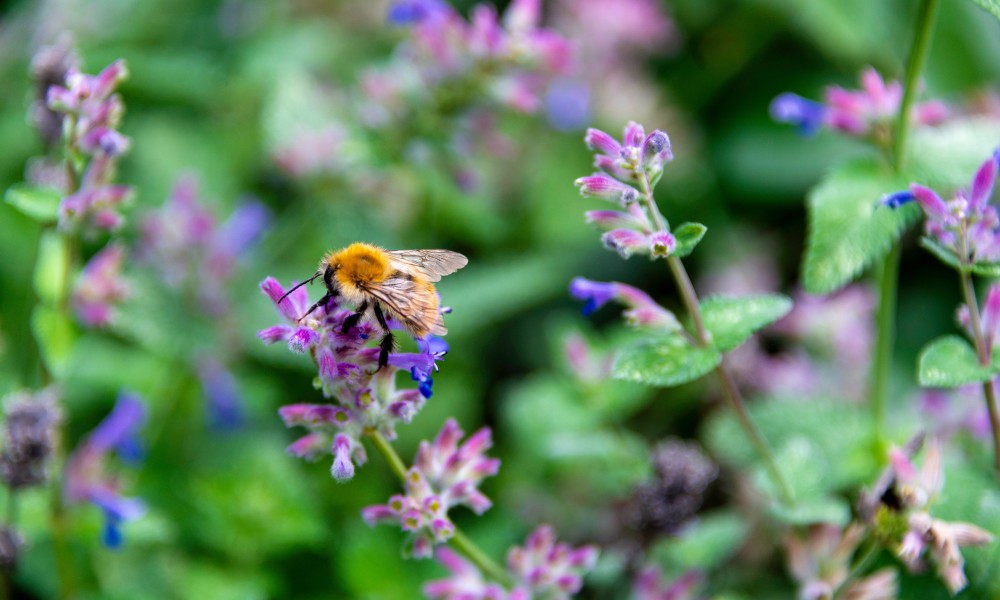
Urban environments might seem like hostile terrain for pollinators at first glance, but they actually offer unique opportunities for biodiversity. You play a critical role in supporting these populations right from your backyard or balcony. However, creating a sanctuary requires a strategic approach to food, water, and shelter. We will explore how to keep bees happy in your urban garden by examining the specific needs of these vital insects.
Strategic Planting for Nutrition
Your plant selection dictates the success of your garden as a pollinator hub. Native plants provide the most nutrition because local bees evolved alongside them over thousands of years.
You should prioritize a diverse range of flowers that bloom at different times of the year. Early spring and late autumn are particularly challenging times for pollinators to find food, so filling these gaps helps the population survive the shoulder seasons.
Creating Safe Hydration Stations
Bees need water just as much as they need nectar, yet they cannot swim. A standard birdbath is often too deep and quickly becomes a drowning hazard. You can create a safe hydration station by filling a shallow dish with pebbles or marbles and adding fresh water.
The stones give bees a place to land while they drink without risking submersion. Change the water daily to keep the station clean and safe for your winged visitors.
Providing Shelter and Nesting Sites
Most people imagine large hives when they think of bees, but many urban species are solitary ground nesters. Leaving patches of bare, undisturbed soil provides them with a place to burrow.
Hollow stems from plants left over winter also serve as excellent nesting sites, so hold off on the aggressive spring cleaning. If you decide to install a bee hotel, it should face the morning sun to warm the residents up for their daily foraging flights.
Understanding Location and Navigation
Placing a hive or a bee-friendly zone requires understanding how bees navigate their surroundings. They usually fly up and out, orienting themselves based on landmarks. A helpful concept to remember is the 3 feet, 3 miles rule for beekeeping.
If you are interested in starting beekeeping, this guideline suggests that moving a hive just a few feet forces bees to reorient, while moving it three miles forces a complete reset of their internal GPS.
Cultivating a Pollinator Sanctuary
Transforming your outdoor space supports the broader ecosystem, supports crucial pollinators, and even brings life to the city. Every choice you make, from water features to plant selection, contributes to a healthier, more sustainable environment. Observing these creatures at work offers a profound connection to nature. By following these principles on how to keep bees happy in your urban garden, you act as a steward for one of nature’s most important workers.
