
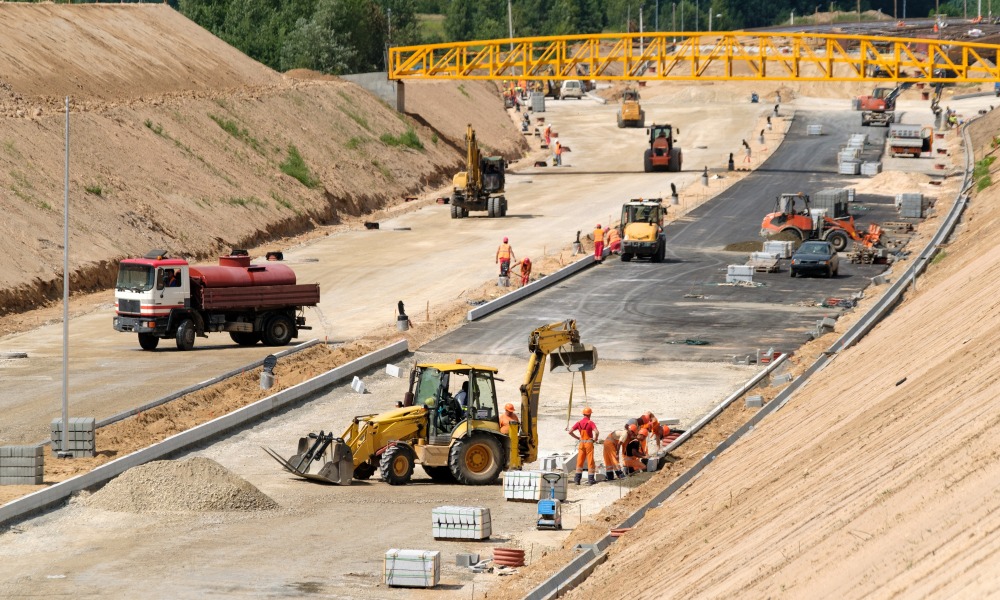
Construction schedules depend on more than labor, materials, and favorable conditions. Equipment must also be available when crews need it. A loader that develops a hydraulic problem, a truck with neglected tires, or a skid steer with a damaged attachment can disrupt several tasks at once.
For contractors managing multiple machines, construction fleet maintenance is not simply a repair function. It is an ongoing process of inspection, preventive service, documentation, and equipment planning. Understanding how to keep a construction fleet jobsite-ready reduces avoidable downtime while giving operators equipment they can depend on throughout demanding projects.
Build Inspections Into Daily Operations
Many equipment problems provide warning signs before they cause a complete breakdown. Daily inspections give operators an opportunity to identify those signs while corrective action may still be relatively straightforward.
Pre-operation checks should reflect the machine and its manufacturer’s recommendations. Common inspection points include fluid levels, tires or tracks, hoses, hydraulic connections, lights, safety equipment, cutting edges, attachment points, and visible structural components.
Operators should also pay attention to changes in machine performance. Unusual vibration, unfamiliar noises, slower hydraulic response, excessive smoke, fluid leaks, or changes in handling indicate developing problems. The important point is consistency; a quick inspection performed routinely is more useful than an exhaustive check that crews rarely complete.
Follow Preventive Maintenance Schedules
Waiting for equipment to fail before servicing it creates problems at the least convenient times. Preventive maintenance shifts some of that work into planned service windows. Manufacturers establish maintenance intervals for items such as engine oil, filters, hydraulic systems, cooling systems, belts, and other components. Fleet managers should use the recommendations applicable to each machine rather than relying on one schedule for every asset.
Operating conditions matter as well. Dust, mud, temperature extremes, heavy loading, and long operating hours place additional demands on equipment. Machines working under severe conditions may require closer monitoring or more frequent attention in accordance with manufacturer guidance.
A maintenance calendar should also account for project schedules. When possible, planned service can be completed before a machine is transported to a remote site or assigned to an intensive phase of work.
Inspect Attachments Carefully
A skid steer or excavator may be mechanically sound while the attachment connected to it is no longer suitable for demanding work. Buckets, grapples, forks, cutters, breakers, and similar tools experience repeated loading, impact, abrasion, and exposure to jobsite conditions.
Inspection should cover mounting points, welds, cutting surfaces, hydraulic hoses, pins, bearings, and other high-stress components appropriate to the attachment. Repeated repairs, declining performance, excessive wear, or significant structural damage can indicate that continued maintenance is becoming impractical. Knowing the signs that a skid steer attachment may need replacement can help crews distinguish routine service needs from problems that deserve a broader repair-or-replace evaluation.
Attachments should also be matched correctly to the host machine and intended task. Compatibility affects more than convenience; machine capacity, hydraulic requirements, attachment specifications, and operating procedures all need consideration.
Keep Accurate Fleet Records
Maintenance records turn individual inspections and repairs into useful operational information. Without reliable records, recurring failures can look like unrelated events.
Each asset should have a service history that documents scheduled maintenance, repairs, inspections, operating hours or mileage where applicable, and recurring problems. Records can also help managers identify machines or attachments that are consuming increasing amounts of maintenance time.
This history is particularly valuable when deciding whether to continue repairing aging equipment, as the price of a single repair tells only part of the story. Managers can also consider repair frequency, downtime, parts availability, utilization, and the operational consequences of having the asset unavailable. Digital fleet management systems simplify this process, but sophisticated software is not always necessary. The essential requirement is that records remain accurate, accessible, and consistently updated.
Make Operators Part of the Maintenance Process
Operators spend more time with construction equipment than most managers or technicians—that makes their observations valuable. Crews should have a simple process for reporting defects and unusual equipment behavior. Reports need enough detail to help maintenance personnel determine the appropriate response. A vague note that a machine “doesn’t feel right” is less useful than a report describing when a vibration occurs, which function has slowed, or where a leak appears.
Training is equally important. Operators should understand required pre-use inspections, equipment limitations, warning indicators, proper attachment procedures, and the circumstances that require removing equipment from service and notifying appropriate personnel.
This does not mean operators should diagnose or repair problems beyond their training. Their role is to recognize changes, document them, and communicate them before minor concerns have an opportunity to become larger disruptions.
Plan for Parts and Backup Capacity
A small unavailable component can sideline an otherwise functional machine. Contractors can reduce that risk by identifying commonly needed service items and planning inventory around the equipment they operate.
Filters, fluids, approved lubricants, hoses, cutting edges, wear components, and other routine items may be worth keeping accessible when usage patterns justify it. Inventory decisions should balance availability against the cost and storage requirements of carrying stock.
Backup planning is also important for critical equipment. A company does not need a duplicate of every machine, but managers should know what they will do if an essential asset becomes unavailable. Depending on the operation, alternatives may include reallocating another machine, using a compatible attachment on different equipment, renting equipment, or coordinating service support.
Clean and Store Equipment Properly
Jobsite readiness continues after a shift ends. Dirt and debris can conceal leaks, cracks, loose components, and other developing issues. Appropriate cleaning makes inspections easier and prevents material buildup in areas where it may interfere with equipment.
Attachments and machines awaiting future use should be stored according to manufacturer recommendations and protected from environmental exposure when practical. Hydraulic connections, electrical connections, and exposed components deserve particular attention during storage.
Longer periods of inactivity may require additional preparation. Battery maintenance, fluid considerations, corrosion prevention, and other storage procedures should follow the applicable equipment manufacturer’s instructions.
Treat Readiness as a Continuous Process
The most effective answer to how to keep a construction fleet jobsite-ready is not a single maintenance task. It is a system that connects operators, inspections, maintenance schedules, equipment records, attachment condition, parts planning, and management decisions.
Consistent construction fleet maintenance helps organizations identify developing problems earlier and schedule necessary work more deliberately. While no maintenance program can eliminate every breakdown, disciplined fleet practices can reduce preventable interruptions and provide better information when repair, replacement, or reassignment decisions have to be made.
For construction businesses, that reliability has practical consequences. Equipment that arrives ready for its assigned work gives crews a stronger foundation for keeping projects moving according to plan.


