
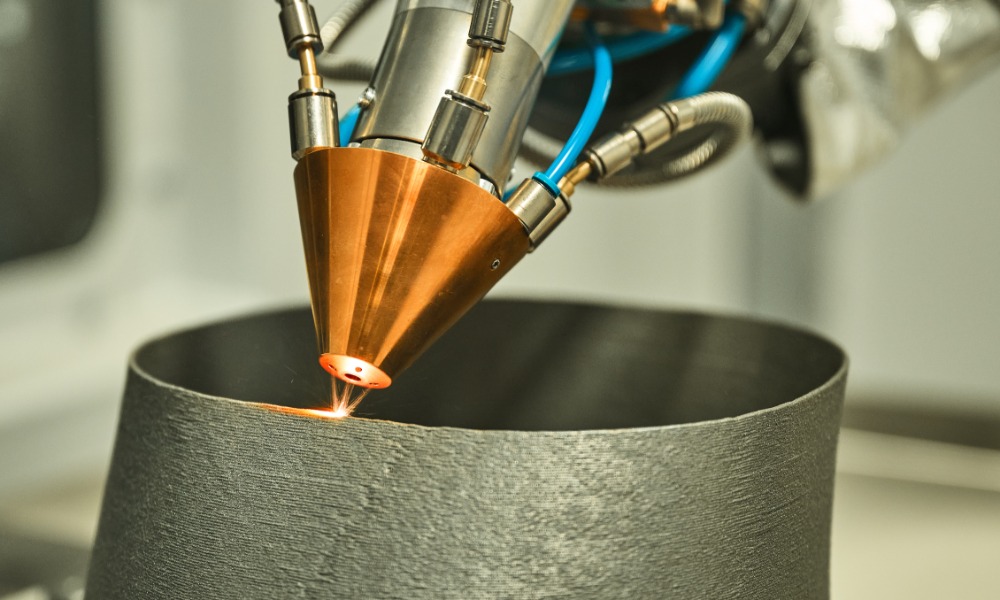
Investing in new equipment isn’t a decision that businesses make impulsively. While 3D printing has gained considerable attention across numerous industries, purchasing a machine doesn’t automatically mean a company will see worthwhile results. Business owners must consider their production goals, operational expenses, and the types of projects they regularly handle before committing to this technology. Carefully evaluating if your business could benefit from a 3D printer will ensure that the potential investment is worthwhile.
Your Business Develops Prototypes Regularly
Developing a new product typically involves several rounds of design adjustments before a company settles on a version suitable for production. Each revision takes time and resources, particularly when employees must order physical samples from outside manufacturers. For businesses that regularly test product concepts, 3D printing is an efficient means of producing prototypes directly from digital designs.
Consider a company developing custom electronic enclosures. Employees could print an initial design, examine how the components fit, and adjust the dimensions before producing another version. Having this capability on-site allows teams to experiment with design changes at their preferred pace. Businesses that handle frequent design revisions may find this flexibility valuable.
Custom Products Are Part of Your Business
Standard manufacturing methods typically work well when companies produce large quantities of identical items. However, businesses serving customers with specialized requirements face challenges when every order involves unique dimensions or design preferences. Traditional tooling and molds involve upfront expenses, making small production batches financially difficult to justify.
With 3D printing, companies manufacture individual components from digital files, allowing them to accommodate specific customer requests without purchasing dedicated molds for every design. A business specializing in personalized medical device accessories, for instance, could produce certain nonclinical components according to individual measurements. Similarly, automotive businesses could develop automotive parts with carbon fiber 3D printing, provided the chosen materials and designs meet the intended application requirements. Customization becomes an attractive possibility when customers value specialized products that conventional manufacturing struggles to accommodate economically.
Production Delays Hinder Operations Frequently
Waiting for an outside supplier to deliver a replacement component or specialized tool can disrupt a company’s production schedule. Employees sometimes spend valuable working hours waiting for equipment repairs, particularly when an uncommon component isn’t readily available. If these interruptions occur frequently, producing certain items internally could improve operational flexibility.
For example, a manufacturing business might print custom assembly fixtures or positioning guides that employees use throughout the production process. When a suitable component breaks, the company could manufacture a replacement from an existing digital file rather than placing an external order.
Of course, printed replacements must satisfy the necessary durability and performance specifications, and some components remain unsuitable for additive manufacturing. Still, businesses experiencing repeated delays with simple, specialized parts have a compelling reason to investigate the technology.
Your Production Volume Suits 3D Printing
Not every production process benefits equally from additive manufacturing. When businesses manufacture thousands of identical plastic components, conventional techniques such as injection molding frequently offer attractive per-unit economics once production reaches sufficient volume. Conversely, small batches present a situation where the cost of dedicated molds and tooling becomes difficult to recover.
Printing speed, material consumption, and post-processing requirements all influence the financial outcome. Companies should examine their typical order quantities and the amount of variation between individual products. A specialty equipment manufacturer producing 20 customized brackets each month faces significantly different production requirements than a factory manufacturing 20,000 identical components. By comparing these scenarios against actual production expenses, business owners can determine whether 3D printing aligns with their workload.
Current Manufacturing Expenses Continue To Increase
Outsourcing production involves several expenses beyond the quoted price of a component. Shipping charges, minimum order quantities, tooling expenses, and supplier-related delays can influence how much a business spends fulfilling its orders. When these costs accumulate, purchasing equipment for in-house production becomes worth examining.
However, the purchase price represents just one part of the investment. Businesses must account for printing materials, electricity, maintenance, employee training, and the labor involved in preparing and finishing components. Printing failures and equipment downtime deserve consideration because both affect production costs. A detailed comparison between current supplier expenses and projected in-house manufacturing costs will reveal whether the investment offers a realistic financial advantage.
Employees Have the Necessary Technical Skills
Bringing manufacturing equipment into a workplace introduces responsibilities that extend beyond operating the machine. Employees must prepare digital models, select suitable materials, configure print settings, and inspect completed components. Although certain 3D printers feature automated functions, producing consistent results involves technical knowledge and attention to detail.
Companies with employees experienced in computer-aided design or manufacturing technology already possess a useful foundation. Nevertheless, management must determine whether these individuals have enough time to handle printing responsibilities alongside their existing duties. Training expenses and access to technical assistance deserve consideration when evaluating the investment. If the company lacks relevant expertise, developing those capabilities will influence the overall cost and timeline of adopting 3D printing.
The Workspace Accommodates the Equipment
Before purchasing a printer, examine whether the workplace has sufficient room and appropriate facilities for operating it. Machines vary considerably in size, electrical requirements, and environmental conditions, so selecting equipment involves examining the actual space available. A compact desktop model presents significantly different installation demands than an industrial machine.
Ventilation, temperature management, material storage, and employee access are equally relevant considerations. Certain printing processes release particles or fumes that call for appropriate engineering controls, and resin printing introduces additional handling and disposal requirements. Businesses must assess the specific equipment and materials they intend to use, then establish suitable safety procedures. An otherwise promising investment becomes difficult to justify if preparing the facility introduces substantial unanticipated expenses.
Decide Whether the Investment Fits
A worthwhile equipment purchase begins with a specific business objective and realistic expectations about the results. Before committing to a machine, consider testing a representative part through an outside printing service and documenting its actual cost, quality, and production time. This approach provides tangible information that management can use when evaluating equipment options.
Ultimately, determining whether your business will benefit from 3D printing involves connecting the technology to a genuine operational demand. When the expected results justify the financial commitment and employees have the resources to manage production, investing in a 3D printer could represent a sensible next step.

 The World Beast

