
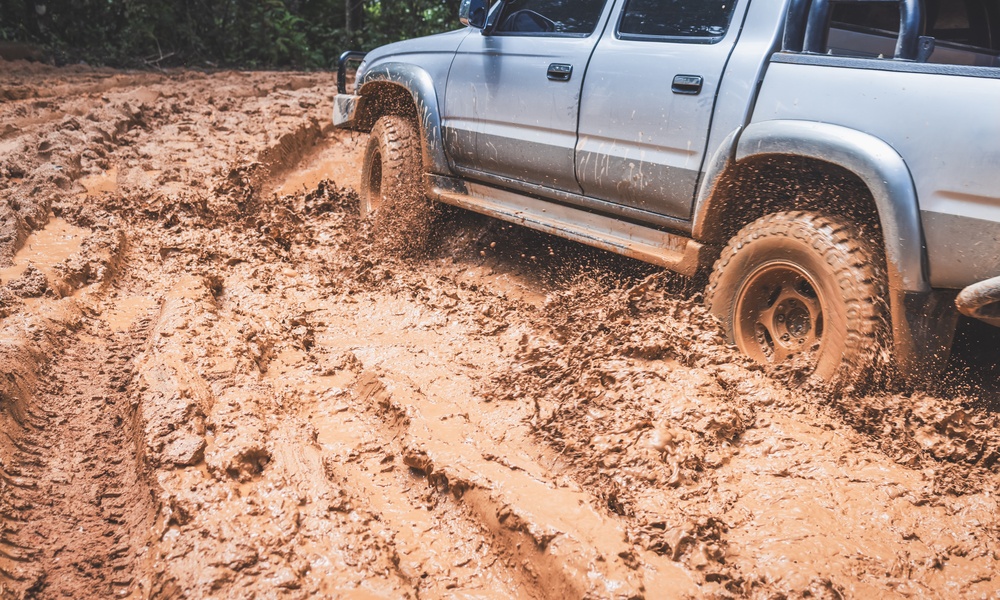
Off-roading offers an exciting way to explore places that ordinary roads can’t reach. However, taking your car onto rough terrain requires more preparation than simply finding a dirt trail. Your vehicle needs the right equipment and enough durability to handle unpredictable conditions. Even experienced drivers can encounter problems when their vehicles lack proper preparation. Before planning your next outdoor adventure, you should evaluate several important factors that determine whether your car can handle off-road driving. Understanding these considerations will help you avoid expensive damage and enjoy a safer experience.
Check Your Vehicle’s Ground Clearance
Ground clearance plays a major role in determining whether your car can handle rough terrain. This measurement represents the distance between the ground and your vehicle’s lowest components.
Cars with limited clearance often struggle with rocks and uneven surfaces. These obstacles can damage the undercarriage or prevent the vehicle from moving forward.
Measure your vehicle’s clearance before attempting challenging trails. Consider whether the terrain includes obstacles that exceed your available space.
If your car sits particularly low, suspension modifications might improve its capabilities. However, additional clearance doesn’t automatically make every vehicle suitable for extreme conditions.
Evaluate Your Tires
Your tires determine how effectively your vehicle maintains traction on different surfaces. Standard highway tires work well on pavement but often struggle with loose dirt or mud.
All-terrain tires offer improved traction while maintaining reasonable everyday driving performance. More aggressive mud-terrain tires provide additional grip in challenging conditions, although they typically create more road noise.
Consider these factors when evaluating your tires:
- Tread depth: Adequate tread helps maintain traction on loose surfaces.
- Sidewall strength: Durable sidewalls help resist damage from sharp rocks.
- Tire pressure: Appropriate pressure improves traction and reduces certain risks.
- Tire condition: Inspect for cracks, punctures, or uneven wear.
Always follow tire manufacturer recommendations when adjusting pressure for off-road conditions.
Understand Your Drivetrain
Your vehicle’s drivetrain influences how effectively it distributes power to the wheels. Four-wheel-drive systems generally offer advantages when navigating slippery or uneven terrain.
All-wheel-drive vehicles can also handle certain off-road environments, depending on their design and available traction systems.
However, two-wheel-drive vehicles aren’t automatically unsuitable for every trail. Many can navigate maintained dirt roads under favorable conditions.
The important consideration involves matching your drivetrain’s capabilities with the terrain you intend to explore.
Inspect Your Suspension System
Your suspension absorbs impacts and helps your tires maintain contact with uneven ground. Worn suspension components can reduce vehicle control and increase the likelihood of damage.
Inspect your shocks, struts, springs, and suspension bushings before heading off-road.
Watch for excessive bouncing, unusual noises, or uneven tire wear. These symptoms might indicate components that need attention.
Some drivers install upgraded suspension systems to improve handling on rough terrain. Choose modifications that match your vehicle’s design and intended use rather than assuming larger components always provide better performance.
Consider Your Vehicle’s Size
Vehicle size affects maneuverability and stability on narrow trails. Large trucks offer useful clearance and cargo capacity, but their dimensions can create challenges in confined spaces.
Smaller vehicles can navigate certain tight environments more easily. Some people even off-road in their Smart cars after making appropriate modifications and carefully selecting suitable trails.
However, vehicle size alone doesn’t determine off-road capability. Wheelbase, approach angles, and available traction also matter.
Evaluate your vehicle’s complete design before deciding which environments it can safely handle.
Examine Your Undercarriage Protection
Off-road obstacles can damage components underneath your vehicle. Rocks and unexpected changes in elevation may threaten vulnerable mechanical parts.
Skid plates help protect areas such as the engine oil pan and transmission housing.
Inspect your existing protection and identify exposed components before attempting rocky terrain.
Not every vehicle needs extensive aftermarket armor. Drivers who primarily explore maintained gravel roads may require less protection than those tackling difficult trails.
Choose equipment according to realistic driving conditions.
Check Your Braking System
Reliable brakes become especially important when navigating steep descents or slippery surfaces.
Inspect your brake pads and rotors before leaving pavement. Pay attention to unusual sounds or changes in pedal response.
Off-road driving can expose braking components to mud and debris, making routine inspections particularly important.
Remember that loose surfaces can increase stopping distances even when your brakes function correctly.
Maintain conservative speeds and avoid relying on sudden braking to control your vehicle.
Evaluate Your Engine and Cooling System
Off-road driving can place additional demands on your engine, especially when traveling slowly through difficult terrain.
Your cooling system must manage engine temperatures even when reduced airflow limits natural cooling.
Check your coolant level and inspect hoses for leaks or deterioration. Make sure your radiator and cooling fans operate correctly.
Also inspect your engine oil and follow your manufacturer’s maintenance recommendations.
Address mechanical concerns before exploring remote areas where assistance might prove difficult to obtain.
Determine Whether You Need Recovery Equipment
Even capable off-road vehicles occasionally lose traction or become stuck.
Carrying appropriate recovery equipment helps you prepare for these situations.
A recovery kit might include a shovel, traction boards, and a properly rated recovery strap.
However, recovery equipment requires knowledge and caution. Incorrect attachment points or unsuitable straps can cause serious injuries.
Learn safe recovery techniques before attempting difficult trails. Never attach recovery equipment to components that lack appropriate ratings.
Consider Your Vehicle’s Approach and Departure Angles
Ground clearance represents only part of your vehicle’s ability to navigate obstacles.
Approach angle describes how steep an obstacle your front bumper can clear without making contact.
Departure angle measures similar clearance at the rear. Your vehicle’s breakover angle also matters when crossing raised surfaces.
Long overhangs can create problems even when the suspension provides reasonable ground clearance.
Understanding these measurements helps you recognize obstacles that might damage your vehicle.
Test Your Vehicle on Easier Terrain
You don’t need to begin with difficult trails to evaluate your car’s capabilities. Start with maintained gravel roads or beginner-friendly routes that permit your vehicle type.
Pay attention to traction, steering response, and suspension behavior. Gradually explore slightly more challenging conditions as your confidence grows.
Avoid attempting unfamiliar obstacles without understanding the risks involved.
Experience helps, but careful preparation remains essential regardless of your driving ability.
Prepare for Unexpected Problems
Off-road environments can create situations that ordinary commuting rarely involves.
Before leaving, check weather conditions and research trail restrictions. Tell someone where you plan to travel and when you expect to return.
Carry drinking water, a first-aid kit, and communication equipment appropriate for the area. Remember that cellular coverage may disappear in remote locations.
Plan your route carefully and establish alternatives if conditions become unsuitable.
Know When Your Car Isn’t Ready
Sometimes the safest decision involves postponing an off-road adventure.
Mechanical problems, inadequate tires, or insufficient clearance can turn manageable obstacles into expensive repairs.
Avoid challenging trails when your vehicle shows warning signs or lacks appropriate equipment. You can always improve your preparation before attempting more demanding conditions. Off-roading should provide enjoyment rather than unnecessary mechanical stress.
Knowing whether your car is ready for off-roading requires understanding its limitations. Evaluate its mechanical condition and choose terrain that matches its capabilities. With thoughtful preparation and realistic expectations, you can explore beyond paved roads while protecting your vehicle and keeping yourself safer throughout the experience.
