
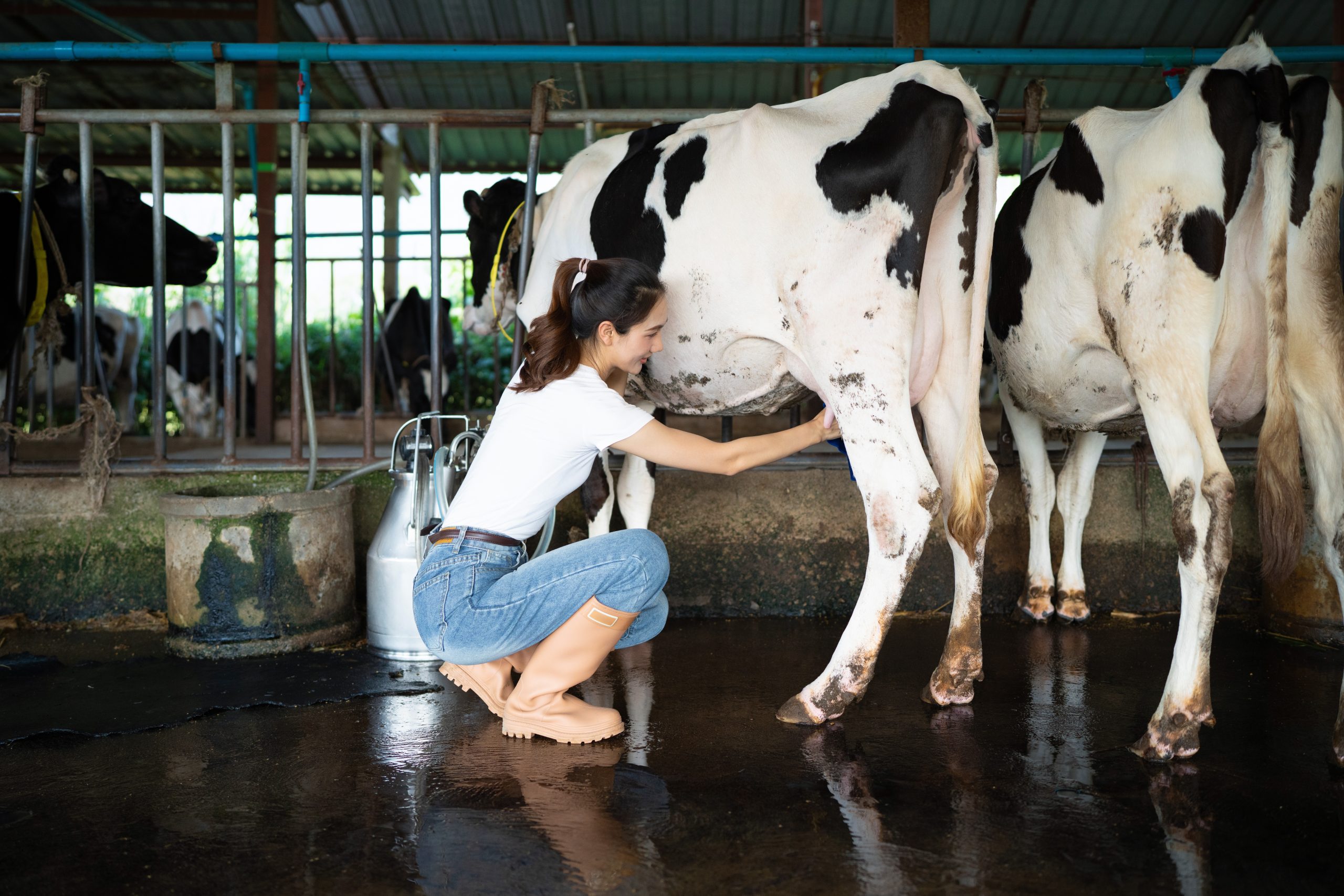
Running a dairy farm requires careful coordination between animal care and production demands. Small inefficiencies can consume valuable time, increase operating costs, and create unnecessary challenges for workers. Improving everyday processes allows farmers to use their resources effectively while maintaining consistent standards for their herds. Learning how to maximize efficiency on your dairy farm involves examining the entire operation and identifying areas where better organization or equipment can simplify routine work. Thoughtful improvements can reduce wasted effort while giving workers more time to focus on responsibilities that require direct attention.
Establish Consistent Daily Routines
Predictable routines help dairy farms operate smoothly because workers know what needs attention throughout each shift. Establish clear schedules for feeding, milking, cleaning, and equipment checks so employees can move between responsibilities without unnecessary delays. Consistency also makes it easier to notice when something disrupts normal operations.
Review routines periodically rather than assuming an established process remains efficient forever. Changes in herd size or staffing may create new bottlenecks. Adjusting workflows as conditions change prevents outdated procedures from slowing the farm.
Improve the Layout of Work Areas
Farm layout affects how much time employees spend walking, transporting supplies, or moving animals. Frequently used tools should remain close to the areas where workers need them. Feed storage should also allow convenient access to feeding areas without requiring unnecessary trips across the property.
Look for routes that force employees or equipment to backtrack repeatedly. Rearranging storage locations or changing traffic patterns can eliminate wasted movement. A practical layout should support natural movement between work areas rather than forcing workers to adapt to inconvenient spaces.
Maintain Milking Equipment Carefully
Reliable milking equipment keeps one of the farm’s most important processes moving efficiently. Establish a maintenance schedule that addresses cleaning requirements and component inspections before minor problems interrupt production. Workers should report unusual sounds or performance issues promptly so the farm can investigate them.
Filtration also deserves attention within the milking system. Understanding how milking filters can maximize efficiency helps operators recognize why timely replacement and proper installation matter. Keeping replacement filters readily available prevents workers from searching for supplies during milking sessions. Regular attention to the entire system can reduce unexpected interruptions and help equipment perform consistently.
Streamline Feeding Practices
Feeding requires considerable time and resources, making it an important area for efficiency improvements. Organize feed storage so employees can access supplies without complicated handling procedures. Keep pathways clear enough for machinery to move safely between storage and feeding locations.
Accurate preparation can also reduce unnecessary waste. Workers should follow established portions and monitor whether feed remains uneaten after regular feeding periods. Consistent observations can reveal where adjustments may improve resource use without compromising the herd’s nutritional needs.
Equipment used for preparing or distributing feed should receive routine maintenance. Dependable machinery allows employees to maintain schedules without mechanical problems delaying other responsibilities.
Use Technology To Simplify Monitoring
Modern dairy technology can reduce the manual work required for certain routine tasks. Automated systems can track production information or equipment performance, giving farmers easier access to useful operational details. The right technology should simplify decision-making rather than create another complicated process for employees.
Choose systems that address genuine challenges on the farm. Before adopting new technology, determine which process needs improvement and consider how the system will fit into existing routines.
Training influences whether technology saves time. Employees who understand a system can respond to its information quickly instead of struggling with unfamiliar controls.
Prioritize Preventive Equipment Maintenance
Unexpected equipment failures can disrupt carefully planned schedules and leave employees scrambling to complete essential work. Preventive maintenance helps reduce these interruptions by addressing wear before machinery stops functioning. Create service schedules based on equipment needs and maintain accurate records of completed work.
Workers should perform simple inspections before operating machinery. Identifying a loose component or unusual leak early may prevent a disruptive repair later. Encourage employees to report concerns immediately rather than continuing to operate unreliable equipment.
Keeping commonly needed replacement parts accessible can also reduce downtime. Waiting for a basic component may delay an important farm process longer than necessary.
Reduce Energy Waste
Dairy farms depend on energy for lighting, ventilation, refrigeration, and equipment operation. Examining how these systems function can reveal opportunities to reduce unnecessary consumption without interfering with essential processes. Turn off equipment when it does not need to operate and address failing components that force systems to work harder.
Regular cleaning can help equipment function efficiently. Dust or debris may restrict airflow around ventilation equipment, while neglected refrigeration components may struggle to maintain appropriate temperatures. Include these systems in routine maintenance instead of waiting for noticeable performance problems.
Evaluate the farm’s actual energy use before making major upgrades. Targeting areas with recurring inefficiencies helps ensure improvements address genuine operational needs.
Train Employees for Efficient Work
Employees play an important role in maintaining efficient farm operations. Provide clear training for equipment use and daily procedures so workers understand how to complete each responsibility correctly. Proper instruction can reduce mistakes that require employees to repeat tasks.
Communication between shifts matters as well. Workers should have a reliable way to share information about equipment concerns or changes in daily operations. Effective communication prevents the next shift from spending valuable time identifying an issue someone has already noticed.
Encourage employees to mention recurring inefficiencies. People who perform the same tasks regularly may recognize obstacles that managers overlook during broader operational planning.
Review Farm Performance Regularly
Efficiency requires ongoing evaluation because farm conditions change. Review production records and maintenance logs to identify patterns that deserve attention. Comparing current performance with previous periods can help determine whether operational changes produce the intended results.
Avoid changing several major processes simultaneously. Making focused adjustments provides a clearer understanding of what improved performance and what still requires refinement.
Regular reviews encourage proactive management. Instead of waiting for obvious problems, farmers can identify developing inefficiencies and address them before they significantly affect daily operations.
Build a More Efficient Dairy Operation
Improving efficiency does not require transforming every process at once. Focus on recurring tasks that consume excessive time or resources, then make practical adjustments employees can maintain. Reliable equipment and thoughtful workflows can support smoother operations while reducing preventable disruptions. Understanding how to maximize efficiency on your dairy farm means creating systems that help people complete necessary work with less wasted effort. Continue reviewing routines as the operation changes and refine processes when new challenges arise.
