
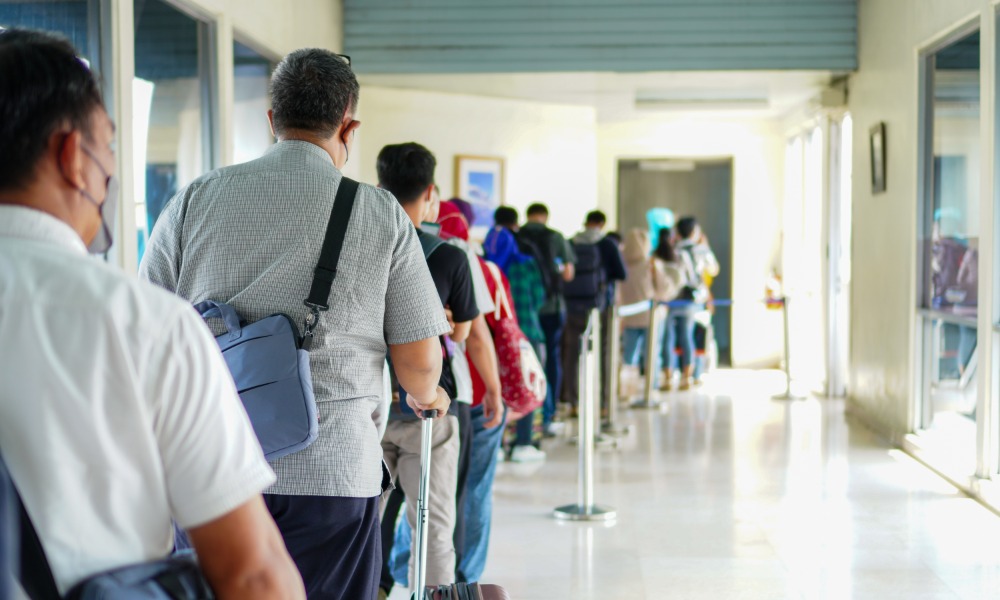
Preparing for a family emergency abroad requires more than keeping a passport within reach. A sudden illness or death can force relatives to make urgent decisions while dealing with unfamiliar laws and limited information. In high-stake instances like this, planning gives families a reliable way to communicate and respond without losing valuable time. It also reduces confusion when travel arrangements or immigration concerns complicate an already difficult situation.
Create a Family Communication Plan
Choose one person to coordinate updates so other relatives can receive consistent information during the emergency. That person should keep current contact details for close family members and anyone who may assist locally. Families should also decide how they will communicate if regular phone service becomes unavailable or after you’ve flown overseas. A secure digital document can store essential numbers and instructions, but trusted relatives should know how to access it.
Organize Important Travel Documents
Keep passports valid and store copies somewhere separate from the originals. Travelers should also save digital copies that they can reach through a secure account. Before departure, review the destination’s entry rules and current travel advisory because local requirements may change. The U.S. Department of State recommends checking passport requirements and embassy information before international travel.
Know Where To Request Emergency Assistance
U.S. citizens abroad can contact the nearest U.S. embassy or consulate when an emergency affects their safety or travel documents. The consular staff may also assist with lost passports and provide information during a crisis. The Department of State also operates emergency phone lines for travelers who cannot reach the appropriate diplomatic office. Families should save these details before a trip instead of searching for them during a crisis.
Review Insurance and Available Funds
Travel insurance may help with certain medical expenses or unexpected transportation costs, but coverage varies by policy. Read the exclusions before leaving and confirm how the insurer handles emergency claims from another country. Families should also maintain access to funds that can cover lodging or changed travel arrangements. A backup payment method can prevent a declined card from creating another problem during an urgent situation.
Address Immigration Status Early
A family emergency abroad can create difficult decisions for relatives who currently hold temporary status in the United States. If you’re an immigrant who needs more time before leaving, you should review whether you can extend your visa in the United States. Extended travel can affect your current immigration case in the U.S. Because deadlines and eligibility rules vary, affected travelers should review current USCIS guidance or speak with a qualified immigration professional before their authorized stay expires.
Put the Emergency Plan in Writing
A written plan turns general intentions into steps that relatives can follow under pressure. Having a visual aid can help a lot during emergencies. It should identify the main family contact and explain where important documents remain stored. Review the plan before major travel and update it when contact information changes. Taking time to prepare for a family emergency abroad cannot remove the emotional strain, but it can give everyone a steadier path through urgent decisions.
