
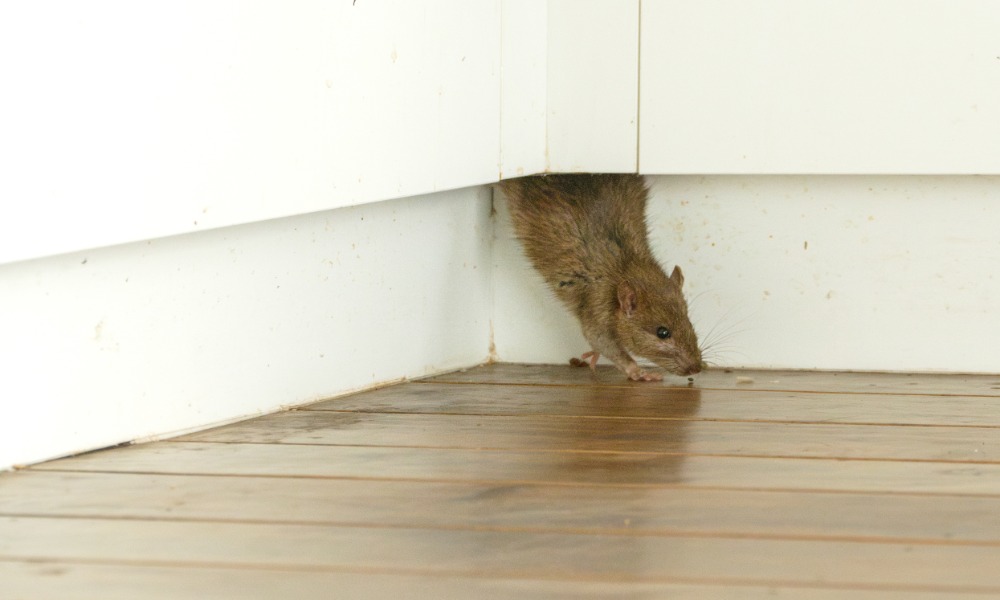
Rodents can cause serious problems when they find their way into your home. Mice and rats damage property, contaminate food, and create potential health hazards for your family. Unfortunately, even homeowners who maintain clean houses can experience infestations. Rodents only need a small opening and access to basic resources to settle indoors. Fortunately, you can take several practical steps to make your property less appealing to these unwanted visitors. Understanding how rodents enter homes and what attracts them can help you prevent infestations before they become expensive problems.
Seal Cracks and Openings Around Your Home
One of the most effective ways to prevent rodent infestations involves blocking potential entry points. Mice can squeeze through openings approximately the size of a dime, while rats can enter through surprisingly small gaps.
Inspect your home’s exterior regularly, paying particular attention to areas around doors and windows. Look for cracks in the foundation and openings around utility lines.
Use appropriate materials, such as metal mesh and sealant, to close these gaps. Rodents can chew through many common materials, including foam and plastic, so choose durable solutions that resist their teeth.
Keep Your Kitchen Clean
Your kitchen offers rodents plenty of opportunities to find food. Even small crumbs can attract mice searching for an easy meal.
Clean countertops after preparing meals and sweep your floors regularly. Pay attention to areas beneath appliances, where food particles often accumulate.
Avoid leaving dirty dishes in the sink overnight. Rodents typically become more active when your household settles down, making leftover food particularly appealing.
Consistent cleaning habits can significantly reduce the chances of unwanted visitors discovering reliable food sources.
Store Food in Secure Containers
Rodents have strong teeth that allow them to chew through cardboard boxes and thin plastic packaging. Consequently, keeping food in its original packaging doesn’t always provide adequate protection.
Transfer dry goods into sturdy containers with tight-fitting lids. Glass and metal containers offer excellent protection against persistent pests.
Consider securing these common household items:
- Breakfast cereals and oatmeal
- Rice, pasta, and other dry ingredients
- Pet food and animal treats
- Flour, sugar, and baking supplies
- Birdseed and other stored animal feed
Check your pantry periodically for damaged packaging or droppings. Early detection can prevent a minor problem from becoming a larger infestation.
Take Out Your Trash Regularly
Household garbage provides rodents with another convenient food source. Overflowing trash cans and unsecured garbage bags can quickly attract hungry pests.
Use garbage containers with secure lids, especially outdoors. Take kitchen trash outside frequently and avoid allowing food waste to accumulate.
Clean your garbage cans periodically to remove residue that attracts rodents. Additionally, keep outdoor containers away from exterior doors whenever possible.
These simple precautions make your property less attractive to animals searching for dependable meals.
Eliminate Sources of Standing Water
Rodents need access to water, and even small moisture sources can encourage them to remain near your home.
Inspect plumbing fixtures for leaks and repair problems promptly. Check beneath sinks and around appliances that use water.
Avoid leaving standing water in buckets or containers around your property. Empty outdoor items after rainfall and address drainage problems near your foundation.
Reducing available moisture also helps discourage other household pests that thrive in damp environments.
Maintain Your Yard and Landscaping
Your yard can provide rodents with shelter before they eventually enter your house. Overgrown vegetation and accumulated debris create convenient hiding places.
Trim bushes regularly and prevent branches from touching your home’s exterior. Keep grass relatively short and remove unnecessary clutter.
Pay particular attention to landscaping near your foundation. Dense plants can conceal openings that rodents use to access your home.
Maintaining clear spaces around your property makes it easier to notice suspicious activity and potential entry points.
Store Firewood Away From Your House
Firewood piles provide excellent hiding places for mice and rats. The spaces between logs offer shelter from predators and harsh weather.
Keep firewood several feet away from your home’s exterior whenever possible. Elevate the pile above ground level to reduce opportunities for nesting.
Avoid stacking wood directly against siding or near foundation vents.
When bringing firewood indoors, inspect the logs for signs of rodents or nesting materials. Only bring inside what you plan to use soon.
Keep Your Garage Organized
Garages often attract rodents because they contain numerous hiding places and frequently offer easy access to the outdoors. Cardboard boxes and unused equipment create sheltered areas where pests can build nests without much disturbance.
Organize stored belongings on shelves whenever possible. Choose durable storage bins instead of cardboard containers. Inspect garage door seals for gaps and replace damaged weatherstripping promptly.
Remember that an attached garage can provide rodents with a convenient route into your living spaces.
Inspect Your Attic and Crawl Space
Rodents frequently enter homes through areas that homeowners rarely inspect. Attics and crawl spaces offer quiet environments where pests can establish nests.
Check these spaces periodically for droppings, gnaw marks, and shredded insulation.
Look for damaged vents or openings around pipes. Address potential entry points before rodents discover them.
If you notice suspicious signs, avoid disturbing contaminated materials without proper precautions.
Regular inspections help you identify problems while they remain manageable.
Avoid Leaving Pet Food Outside
Outdoor pet food can attract rodents even when you never notice animals approaching the feeding area.
Bring food bowls indoors after your pets finish eating. Sweep away spilled kibble and clean feeding stations regularly.
If you feed pets outside, establish consistent mealtimes rather than leaving food available throughout the day.
Store extra pet food in secure containers and inspect storage areas for evidence of chewing.
These precautions reduce opportunities for rodents to find dependable food around your property.
Recognize Early Signs of Rodent Activity
Recognizing an infestation early can prevent extensive damage. Rodents reproduce quickly, so ignoring warning signs can allow their numbers to increase.
Common indicators include scratching noises inside walls, small droppings near food storage areas, and damaged packaging.
You might also notice greasy marks along baseboards or shredded materials in hidden spaces.
Avoid delaying rodent removal when these warning signs appear. Prompt action can reduce property damage and limit potential exposure to harmful contaminants.
Consider Professional Rodent Prevention Services
Sometimes, rodents find entry points that homeowners cannot easily identify. Professional pest control specialists can inspect vulnerable areas and recommend appropriate solutions.
Experts can also determine whether rodents have already established nests inside your property.
Professional assistance becomes especially valuable when infestations persist despite your prevention efforts.
Look for companies that emphasize exclusion techniques and long-term prevention rather than relying exclusively on traps.
Make Prevention Part of Your Routine
Preventing rodent infestations requires consistent attention rather than occasional cleaning. Seasonal changes can encourage rodents to search for shelter, especially when temperatures drop.
Inspect your property throughout the year and address maintenance concerns promptly. Combine effective sanitation practices with regular exterior inspections to reduce opportunities for unwanted visitors.
With a little preparation and ongoing maintenance, you can protect your home from rodents while creating a cleaner environment for everyone inside.
