
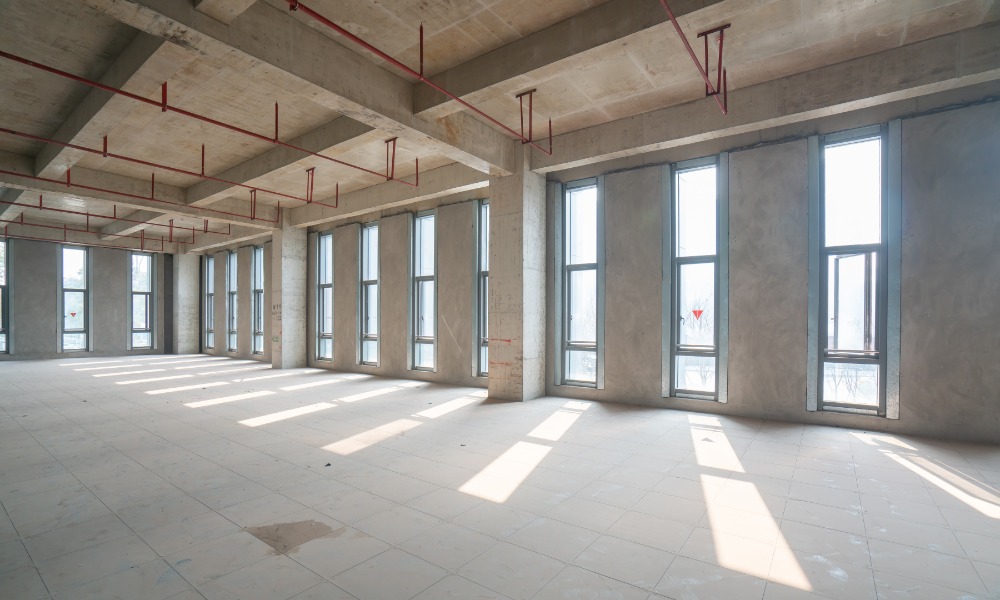
Older commercial properties often develop problems gradually. A draft near the entrance, inconsistent room temperatures, or a growing repair backlog may seem manageable on its own. Together, however, these issues can undermine employee comfort, increase expenses, and make the property less attractive to tenants. The challenge is deciding what deserves attention first when every department has a different request and the improvement budget has limits.
Understanding how to prioritize upgrades in an aging commercial space starts with separating urgent risks from improvements that can wait. Owners and facility managers need a practical sequence that protects occupants, addresses underlying failures, and supports the building’s future use rather than simply responding to whichever complaint arrives most recently.
Start With Safety and Regulatory Obligations
Before considering cosmetic improvements, examine conditions that could endanger occupants or interrupt operations. Fire protection equipment, emergency exits, electrical panels, stairways, and accessible routes should receive careful attention. A building may look presentable while harboring outdated systems that require professional evaluation. Documented deficiencies should be reviewed against applicable codes, inspection findings, and the property’s actual use.
Not every aging component presents an immediate hazard, so avoid assuming that age alone determines urgency. Qualified inspectors and contractors can distinguish routine wear from unsafe conditions. Their findings also help managers justify necessary spending to owners or stakeholders. Addressing critical issues early reduces the chance that a preventable incident will force an expensive, unplanned closure.
Investigate Recurring Problems Before Replacing Equipment
A persistent leak or uncomfortable conference room may have several possible causes. Replacing visible finishes without investigating moisture intrusion can conceal damage rather than solve it. Likewise, installing a larger air-conditioning unit will not necessarily correct poorly balanced airflow or faulty controls. Start with maintenance records, occupant complaints, utility histories, and a targeted building assessment.
Look for patterns across seasons and locations. Repeated service calls involving the same equipment may suggest that replacement is becoming more economical than repair. Water stains that return after storms warrant investigation of the roof, drainage, or building envelope. A clear diagnosis prevents money from being spent on attractive but ineffective fixes.
Measure Costs Over the Remaining Life of the Building
Initial price matters, but it should not be the only measure of value. Compare each proposed project using installation expense, expected maintenance, energy consumption, potential downtime, and remaining service life. A low-cost repair may be sensible for equipment nearing the end of a lease, while a durable replacement could make more sense for a property intended to operate for decades.
For instance, a worn heating system may continue functioning but require frequent emergency visits and consume more energy than a properly sized replacement. Evaluate the likely savings alongside financing costs and operational disruption. When possible, use contractor estimates and actual building data rather than generic payback claims. The objective is a defensible decision, not an unrealistically precise forecast.
Identify Energy Waste Without Overlooking Basic Repairs
Utility bills can reveal inefficiencies that are easy to miss during routine walkthroughs. Poorly sealed doors, failing insulation, outdated controls, and equipment running after business hours can all contribute to avoidable consumption. Address inexpensive operational problems first, such as incorrect schedules or neglected maintenance, before approving major retrofits.
Lighting is one useful example within a broader energy review. Managers comparing existing fixtures with newer options can consider ways LED lighting can reduce energy costs while also assessing occupancy controls and appropriate light levels. Yet a lighting project should compete fairly with improvements to ventilation, heating, or the building envelope. The highest-priority investment depends on measured conditions, not the popularity of a particular technology.
Consider How People Actually Use the Space
Buildings change even when their floor plans do not. A former retail location may now support office work, or a warehouse may have added packing stations and customer pickup areas. These changes affect circulation, electrical demand, accessibility, noise, and temperature requirements. Interview employees, tenants, and maintenance staff to understand where the current space creates friction.
Upgrades that support everyday operations can have value beyond direct utility savings. Better loading access may reduce delays, improved restroom layouts may serve occupants more effectively, and thoughtful acoustic improvements may make shared work areas easier to use. Prioritize changes tied to documented needs rather than redesigning areas solely because they appear dated.
Plan Projects Around Business Disruption
A technically sound upgrade can still be poorly timed. Roof work during peak customer season, electrical shutdowns during production, or noisy renovations beside occupied offices can create avoidable losses. Ask contractors about staging, access requirements, permit lead times, and temporary service arrangements before setting a schedule.
Some projects should be grouped because they share labor, equipment access, or demolition. For example, ceiling repairs may be easier to coordinate with electrical work than to repeat months later. Other projects should remain separate to preserve cash flow or maintain occupancy. A phased schedule makes these tradeoffs visible and gives tenants realistic expectations.
Build a Transparent Ranking System
Once the building has been assessed, compare projects using consistent criteria. Safety and compliance should carry the greatest weight, followed by likelihood of failure, operating impact, long-term cost, and occupant needs. Note the confidence level behind each estimate. A recommendation supported by inspection reports and maintenance data deserves more weight than an assumption based on appearance.
Create a short decision record for each proposed improvement: the problem, available options, estimated cost, expected benefit, dependencies, and consequences of delay. Revisit the rankings when conditions change or new information becomes available. This approach helps stakeholders understand why a less visible repair may take precedence over a highly noticeable renovation.
Protect the Budget With a Long-Term View
Reserve funds for unexpected discoveries, particularly when work involves concealed plumbing, wiring, or structural elements. Obtain comparable bids with clearly defined scopes, and avoid treating the lowest number as automatically the best value. Warranty terms, contractor qualifications, material availability, and future maintenance needs all affect the real cost of ownership.
A useful plan for how to prioritize upgrades in an aging commercial space is therefore flexible rather than fixed. Begin with hazards and failing systems, investigate recurring issues, and then invest in improvements that measurably strengthen operations. With a clear sequence, regular reassessment, and reliable evidence, an older property can become safer, more efficient, and better suited to the people who rely on it, without wasting scarce capital on premature cosmetic changes.
