
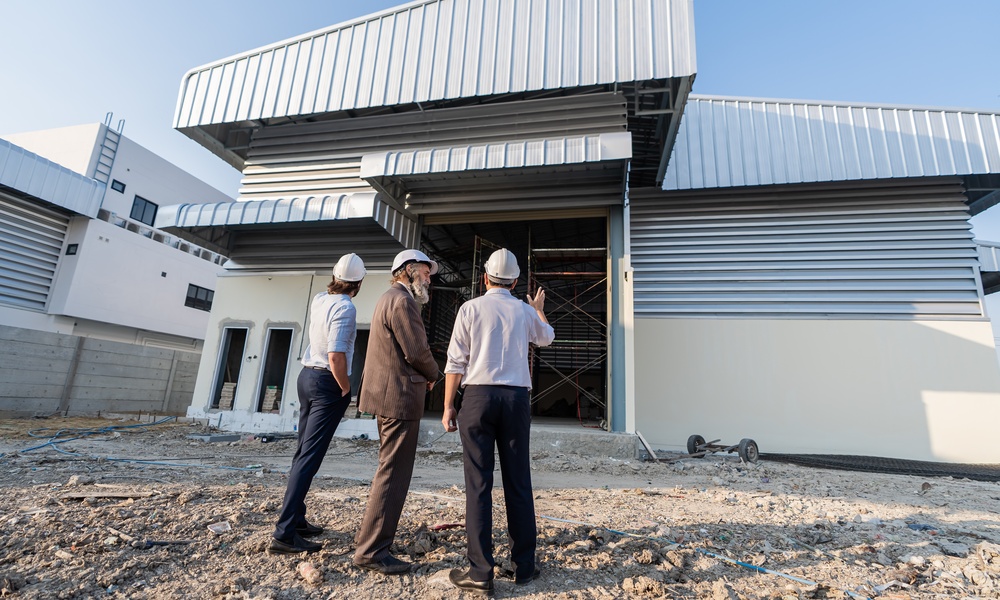
Valuable equipment is a significant investment for businesses that rely on machinery to keep daily operations running. Unfortunately, harsh weather can gradually compromise equipment performance and lead to costly repairs. Rain, extreme temperatures, and prolonged sunlight can damage critical components even when equipment remains idle.
Protecting valuable outdoor equipment from the elements involves more than simply covering machinery when severe weather approaches. Businesses must consider storage conditions and routine maintenance to minimize long-term damage.
A reliable protection strategy can extend equipment lifespan while reducing unexpected downtime. Knowing the most effective methods helps organizations protect their investments and keep operations running smoothly.
Understand How Weather Conditions Affect Equipment
Different weather conditions create unique challenges for machinery and industrial equipment. Prolonged moisture exposure can corrode metal surfaces, while excessive heat can accelerate the deterioration of sensitive components. Strong winds can carry abrasive debris that damages exposed surfaces. Even minor environmental exposure can gradually weaken equipment that lacks proper protection.
Seasonal weather changes can also create unexpected problems for outdoor storage areas. Repeated freezing and thawing may cause moisture to collect around vulnerable components. Meanwhile, fluctuating temperatures can contribute to condensation inside equipment housings. Recognizing these risks helps businesses choose protective measures that match their specific environmental conditions.
Choose Storage Locations Carefully
The storage location of equipment plays a major role in preventing weather-related damage. Low-lying areas often collect rainwater, increasing the likelihood of corrosion or moisture intrusion.
Locations near trees may expose machinery to falling branches during storms. Businesses should evaluate surrounding conditions before establishing permanent or temporary storage areas.
Proper site selection also supports safe, year-round access to equipment. A storage location with stable ground can reduce the risk of machinery sinking into softened soil after heavy rainfall. Clear access routes let workers move equipment without unnecessary obstacles. Choosing the right location creates a foundation for effective long-term protection.
Invest in Reliable Covered Storage Solutions
Covered storage provides one of the most effective defenses against direct environmental exposure. A well-designed shelter can protect equipment from precipitation while limiting prolonged sunlight exposure.
Businesses with large machinery often require structures that offer generous clearance without restricting access. Choosing the right coverage helps preserve equipment condition while supporting daily operations.
Container shelters offer a practical option for businesses that need flexible outdoor storage. These structures typically use shipping containers to support a roof system, creating an open, covered area between them.
Their configurations can accommodate large equipment while allowing convenient movement through the storage space. However, businesses must evaluate local weather loads and structural requirements before selecting a system.
Prepare the Site Before Installing Protective Structures
Effective equipment protection begins with proper shelter planning. Understanding how to prepare for a container shelter installation helps businesses establish stable foundations and suitable operating conditions.
Site preparation should account for ground stability, drainage patterns, and the intended equipment storage requirements. Careful preparation can prevent installation complications and improve the shelter’s long-term usefulness.
Businesses should also confirm equipment dimensions before selecting a shelter configuration. Large machinery may require additional overhead clearance or wider access points. Local building requirements may also influence the shelter’s placement and structural design.
Manage Moisture and Prevent Corrosion
Moisture poses a persistent threat to equipment with metal components. Rainwater can penetrate exposed connections and gradually encourage corrosion. Humid conditions can also cause condensation on surfaces that appear dry. Businesses must actively manage moisture to protect equipment reliability and reduce maintenance expenses.
Several practical measures can help minimize moisture-related damage:
- Inspect equipment regularly for rust or moisture accumulation.
- Apply manufacturer-approved corrosion inhibitors to vulnerable surfaces.
- Maintain drainage systems around outdoor storage areas.
- Use suitable protective covers when equipment remains idle.
- Keep electrical connections away from standing water.
- Follow manufacturer recommendations for storage humidity and ventilation.
These precautions help maintain consistent equipment performance through changing weather conditions. Regular inspections also let maintenance teams spot corrosion before it causes extensive damage. Businesses that address moisture problems early can avoid unnecessary component replacement and reduce equipment downtime.
Protect Equipment From Extreme Temperatures
Temperature extremes can affect machinery even when equipment remains under a protective roof. Excessive heat may degrade rubber components and shorten the service life of certain electronics. Extreme cold can reduce battery performance and increase lubricant viscosity. Equipment manufacturers often establish operating and storage temperature limits to help prevent these problems.
Businesses should review these recommendations before storing equipment outdoors for extended periods. Temperature-sensitive machinery may require insulated enclosures or climate-controlled storage rather than basic overhead coverage.
Protective structures can reduce direct sunlight exposure, but they do not automatically regulate ambient temperatures. Choosing the right protection helps ensure equipment remains suitable for future operation.
Reduce Damage From Wind and Airborne Debris
Strong winds can pose significant risks to equipment stored in exposed locations. Dust and airborne particles may accumulate inside ventilation openings or damage sensitive surfaces. Wind-driven rain can also reach machinery beneath open-sided shelters. Businesses should consider prevailing wind patterns when arranging outdoor storage areas.
Strategic equipment placement can reduce exposure without compromising accessibility. Where appropriate, properly engineered side panels or wind barriers may provide additional protection. Operators should also secure loose materials that could become airborne during storms.
Use Protective Covers Correctly
Equipment covers can provide additional protection when businesses cannot move machinery into enclosed storage. However, choosing an unsuitable cover can create problems instead of preventing them. Certain materials can trap condensation against metal surfaces, increasing corrosion risks. Poorly fitting covers may also shift in high winds, exposing vulnerable components.
Businesses should select covers that match the equipment manufacturer’s storage recommendations. Breathable, weather-resistant materials can help manage moisture when the application permits ventilation.
Workers should secure covers without blocking necessary drainage points or damaging delicate components. Routine cover inspections help identify deterioration before the protective material loses effectiveness.
Establish a Consistent Maintenance Schedule
Protective storage reduces environmental exposure, but it cannot replace routine equipment maintenance. Machinery still requires inspections to identify developing problems that may affect performance. Maintenance teams should examine exposed surfaces and assess components that experience frequent temperature changes.
Maintenance schedules should reflect equipment usage and environmental conditions rather than follow arbitrary intervals. Machinery operating near coastal areas may require additional corrosion monitoring because airborne salt can accelerate deterioration.
Equipment in dusty environments may need more frequent filter inspections. Adjusting maintenance practices to local conditions helps businesses protect equipment more effectively.
Monitor Storage Conditions Over Time
Environmental protection requires ongoing evaluation because storage conditions can change. Heavy storms may alter drainage patterns, while nearby construction could affect equipment access. Shelters may also develop maintenance needs after prolonged exposure to seasonal weather. Regular site assessments help businesses identify emerging risks before they threaten valuable assets.
Managers should document equipment condition during scheduled inspections to identify recurring concerns. Maintenance records can show whether certain locations have persistent moisture problems or unusual corrosion. This information supports better decisions about future storage improvements. Monitoring storage conditions also helps organizations determine whether their existing protective measures remain sufficient.
Build a Long-Term Equipment Protection Strategy
Protecting valuable equipment from the elements requires a combination of suitable storage and preventive maintenance. Businesses should assess environmental exposure when selecting protective structures and setting up equipment care procedures. Investing in reliable shelter solutions can reduce direct weather exposure while improving the practicality of outdoor storage areas.
Long-term protection also depends on adapting to changing operational needs. As equipment inventories expand, existing storage arrangements may no longer provide sufficient coveragehttps://www.trilarindustrial.com/blogs/trilar-blog/how-to-prepare-for-a-container-shelter-installation. A proactive approach protects valuable assets and supports more reliable operations year-round.
