
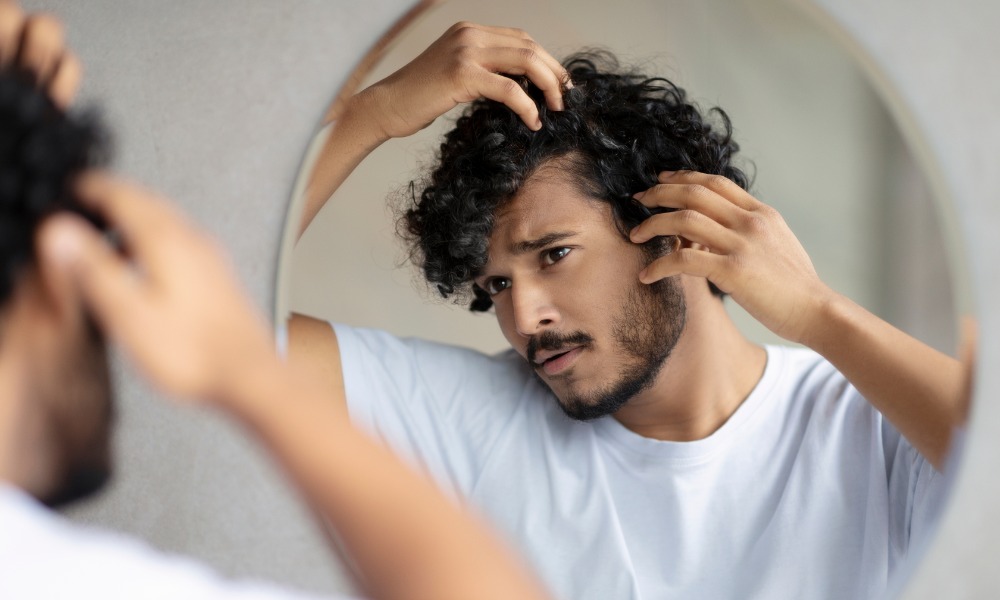
As you get older, you might notice subtle changes in your hairline that weren’t there before. Maybe your temples look a little thinner, or your forehead seems slightly larger than it used to. While some hairline changes come naturally with age, you don’t have to ignore them. Understanding what affects your hair growth can help you maintain healthier hair for longer. With a few adjustments to your daily routine and some attention to your scalp, you can take meaningful steps toward protecting your hairline as you age.
Understand Why Your Hairline Changes With Age
Before making changes to your hair care routine, it helps to understand why hairlines change. Genetics play a major role in how your hair grows and whether you experience thinning over time.
Hormonal changes can also affect your hair follicles. For example, dihydrotestosterone (DHT), a hormone derived from testosterone, can gradually shrink susceptible hair follicles. This process often contributes to pattern hair loss.
However, genetics and hormones aren’t the only factors worth considering. Stress, nutritional deficiencies, and certain medical conditions can also contribute to hair thinning.
Identifying the cause of a receding hairline helps you determine which treatments or lifestyle adjustments might actually make a difference.
Pay Attention to Early Signs of Thinning
Hairline changes often happen gradually, making them difficult to notice right away. You might not recognize a difference until you compare recent photographs with older ones.
Pay attention to changes around your temples and forehead. You might also notice shorter, finer hairs growing where thicker strands once appeared.
Consider taking photographs of your hairline every few months under similar lighting conditions. This simple habit helps you track changes without constantly examining your reflection.
If you notice sudden thinning, patchy hair loss, or scalp irritation, schedule an appointment with a dermatologist. Early evaluation can help identify treatable conditions.
Develop a Gentle Hair Care Routine
Your everyday hair care habits can influence the condition of your hair and scalp. Aggressive brushing, excessive heat, and harsh products can damage individual strands.
Choose shampoos that suit your scalp type and wash your hair according to its needs. Some people benefit from frequent washing, while others need less.
When drying your hair, gently squeeze away excess moisture instead of rubbing aggressively with a towel. Use a wide-tooth comb when necessary to minimize pulling.
These habits won’t prevent genetic hair loss, but they can reduce unnecessary breakage and help your existing hair look healthier.
Avoid Hairstyles That Pull on Your Hairline
Certain hairstyles place repeated tension on the follicles surrounding your forehead and temples. Over time, excessive pulling can contribute to traction alopecia.
Tight ponytails, braids, and buns can create problems when you wear them frequently.
If you regularly style your hair, consider these adjustments:
- Choose looser hairstyles that don’t pull against your scalp.
- Avoid wearing tight headbands for extended periods.
- Change your hairstyle occasionally to reduce repeated tension.
- Remove extensions that cause discomfort or excessive pulling.
- Stop using styles that cause tenderness around your hairline.
Reducing tension early can help prevent additional damage. However, longstanding traction alopecia can cause permanent hair loss, making prevention especially important.
Support Hair Health Through Your Diet
Your hair follicles need adequate nutrients to support normal growth. Although no specific food can guarantee a fuller hairline, a balanced diet supports your overall hair health.
Protein plays an especially important role because hair primarily consists of keratin, a structural protein. Include appropriate protein sources such as eggs, beans, fish, or lean meats.
Iron and zinc also contribute to normal hair growth. Deficiencies in these nutrients can sometimes increase shedding.
Avoid restrictive diets that significantly reduce your calorie intake. Rapid weight loss and inadequate nutrition can disrupt your normal hair growth cycle.
Before taking hair growth supplements, speak with a healthcare professional. Excessive amounts of certain vitamins can actually worsen hair loss.
Find Healthy Ways To Manage Stress
Stress can affect several aspects of your physical health, including your hair growth cycle. Significant physical or emotional stress sometimes triggers telogen effluvium, a condition that causes increased shedding.
Fortunately, stress-related shedding often improves after you address the underlying trigger.
Regular exercise can help you manage stress while supporting your overall health. Activities such as walking, swimming, or cycling offer accessible options. You might also benefit from meditation or spending time on hobbies you enjoy.
While managing stress won’t reverse hereditary hair loss, it can reduce one potential contributor to excessive shedding.
Protect Your Scalp From Sun Exposure
Many people remember sunscreen for their faces but overlook their scalps. As your hairline recedes, more skin becomes vulnerable to ultraviolet radiation.
Repeated sun exposure can damage your scalp and increase your risk of skin cancer.
Consider wearing a comfortable, breathable hat when spending extended periods outdoors. You can also apply sunscreen with SPF 30 or higher to exposed areas around your hairline.
If you have thinning hair across your scalp, consider sunscreen products specifically designed for that area. Protecting your scalp won’t stop genetic hair loss, but it helps maintain healthier skin.
Limit Excessive Heat and Chemical Treatments
Frequent exposure to high temperatures can weaken your hair strands. Blow dryers, straighteners, and curling irons may contribute to breakage when you use them aggressively.
Whenever possible, allow your hair to air dry partially before styling. Choose lower heat settings and avoid repeatedly applying heat to the same sections.
Chemical treatments also deserve consideration. Frequent bleaching or relaxing can weaken hair and increase breakage.
If you enjoy coloring your hair, work with a knowledgeable stylist who understands how to minimize damage.
Remember that protecting existing strands differs from preventing follicle-related hair loss. Both concerns deserve attention as your hair changes.
Consider Professional Hair Loss Treatments
If your hairline continues receding, professional treatment may help slow further loss. A dermatologist can evaluate your scalp and recommend options that match your circumstances.
Minoxidil represents one common treatment for certain types of pattern hair loss. It can encourage growth and help maintain existing hair, although results vary.
Doctors may also recommend prescription medications such as finasteride for appropriate patients. These treatments target hormonal pathways involved in androgenetic alopecia.
Every treatment carries potential benefits and risks, so discuss your medical history before starting anything.
Hair loss treatments generally require consistency, and results often take several months to appear. Stopping treatment can also reverse some improvements.
Explore Non-Surgical Hair Replacement Options
Not everyone wants medication or medical procedures to address a changing hairline. Non-surgical hair replacement systems offer another option for people who want fuller-looking hair.
Modern hair systems can closely match your natural color, texture, and preferred hairstyle. Skilled professionals can also customize the front hairline to create a realistic appearance.
Unlike treatments that attempt to stimulate growth, hair systems provide immediate cosmetic coverage.
They do require regular cleaning and maintenance, so consider your lifestyle before choosing one.
Consulting a hair replacement specialist can help you understand your options and determine whether a customized system suits your preferences.
Make Consistency Your Long-Term Priority
Protecting your hairline requires realistic expectations. Some changes result from genetics, and even excellent hair care cannot completely prevent hereditary thinning.
However, consistent habits can help you avoid unnecessary damage while supporting healthier hair.
Continue monitoring your hairline, maintaining a balanced diet, and treating your scalp gently. Seek professional advice when you notice persistent changes rather than relying on unproven remedies.
Most importantly, remember that hair loss doesn’t define your appearance. Whether you pursue treatment, explore hair replacement, or embrace your changing hairline, you have options.

 The World Beast

