
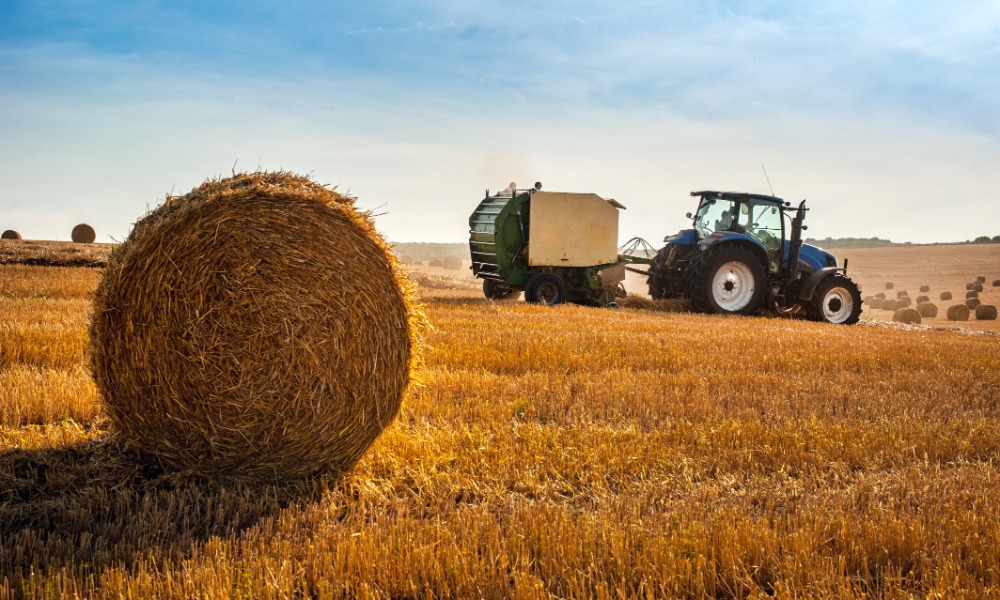
Hay season leaves little room for equipment problems. Once a field reaches the right moisture level and the forecast provides a suitable window, producers need their equipment ready to work. A disabled round baler can interrupt that schedule at exactly the wrong moment.
Operators cannot always prevent mechanical problems. Still, they can reduce the risk of round baler downtime during hay season by inspecting high-wear components, addressing minor problems early, and keeping essential repair supplies available. A consistent maintenance routine also makes troubleshooting easier because operators become familiar with how the machine looks, sounds, and performs under normal conditions.
Inspect the Baler Before the Season Starts
The best time to discover a worn bearing or damaged belt is before hay enters the pickup.
A thorough preseason inspection gives operators time to obtain parts and complete repairs without pressure from an approaching weather system. Start with the manufacturer’s maintenance schedule, then inspect components that experience repeated movement, friction, or crop contact.
Check belts for cracking, torn edges, damaged splices, and uneven wear. Examine rollers for buildup, surface damage, or unusual marks. Pickup teeth should remain straight and secure, while chains and sprockets should show proper tension and lubrication.
Bearings also deserve close attention. Listen for unusual sounds, check for excessive movement, and look for heat or other signs of a deteriorating component.
Check Baler Belts and Splices Regularly
Round baler belts experience continuous movement during operation. They bend around rollers repeatedly while carrying significant loads as the bale forms. Small defects can grow quickly under those conditions.
Operators should inspect the full belt surface instead of checking only the most visible sections. Look for damaged edges, separation, cuts, and areas where the belt appears unusually polished or worn.
Splices need the same attention. A splice should remain straight across the belt and move cleanly through the baler. Loose or protruding hardware can create additional contact with rollers or nearby components.
Operators should not evaluate belt and splice condition separately from the rest of the belt path. Roller diameter, roller condition, installation quality, and belt preparation can influence how a mechanical splice moves through the machine. For a closer examination of that interaction, this resource on how Alligator fasteners affect baler rollers explains how splice profile, roller condition, and installation can influence belt movement.
Keep Rollers Clean and Inspect Their Surfaces
Another way to reduce round baler downtime during hay season is to inspect and clean the machine’s rollers. A roller may appear simple, but its condition affects how smoothly the belts travel.
Hay, dirt, and other material can accumulate on roller surfaces. Buildup changes the surface the belt contacts and may create uneven pressure. Removing that material during routine inspections helps operators see the actual roller surface and identify defects that debris might hide.
Watch for dents, grooves, rough areas, and sharp edges. Pay particular attention when a belt or splice repeatedly shows damage in the same location. A recurring wear pattern may indicate that another component is causing the problem.
Monitor Bearings Before They Fail
Bearing failures can stop a baler immediately and may damage surrounding components. Fortunately, deteriorating bearings can provide warning signs before they seize completely.
Unusual noise is one clue. Excessive heat, looseness, vibration, or rough rotation may also indicate developing trouble.
Operators can incorporate bearing checks into daily maintenance instead of waiting for scheduled service intervals alone. Pay particular attention to bearings that face heavy loads, dust, crop residue, and continuous rotation.
When a bearing starts behaving differently from comparable components, investigate the change. Replacing a questionable bearing during maintenance may take far less time than handling a failure in the field.
Maintain the Pickup System
The pickup works directly in crop material, making it vulnerable to wear and impact damage.
Inspect pickup teeth before entering the field and periodically throughout the season. Bent, missing, or loose teeth can reduce feeding consistency. Damaged teeth may also place additional stress on surrounding pickup components.
Check guards, bands, and associated hardware for wear or damage. Clear wrapped material before it builds into a larger obstruction.
Operators should also match ground speed and pickup height to field conditions. Driving too aggressively through heavy or uneven windrows can increase crop-flow problems and place unnecessary strain on the machine.
Lubricate Components on Schedule
Lubrication plays a basic but important role in reliability. Chains, bearings, and other moving parts depend on appropriate lubrication to control friction and wear.
Follow the manufacturer’s specified intervals rather than assuming that every lubrication point requires the same schedule. Conditions also matter. Dust, heat, long operating days, and heavy crop loads can make careful inspection especially important.
Keep grease fittings clean before applying lubricant. Dirt pushed into a fitting can work against the maintenance procedure.
Chains require attention beyond lubrication. Check tension and alignment because a lubricated chain can still create problems if it runs too loose, too tight, or out of line.
Carry a Practical Field Repair Kit
Even a well-maintained baler can need repairs during the season. The difference between a short interruption and a lost afternoon may come down to having the right part nearby.
Build a repair kit around the baler’s known wear items and the failures that you can handle in the field. Spare pickup teeth, appropriate fasteners, belt repair supplies, hardware, and basic hand tools can prevent an operator from having to leave the field for a minor repair.
Do not rely entirely on generic hardware. Baler components operate under specific loads and clearances, so use replacement parts that match the machine’s requirements.
Watch for Changes During Operation
Machines provide valuable information while they run. Operators who recognize changes quickly can shut down and investigate before minor wear becomes a major failure.
Pay attention to unusual vibration, new noises, inconsistent bale formation, belt tracking changes, and feeding problems. A different sound does not automatically indicate a serious defect, but it deserves investigation when it persists.
A brief inspection can also reveal loose hardware, material buildup, or a component starting to shift out of alignment. Continuing to operate a machine after symptoms appear may turn a straightforward adjustment into a larger repair.
Keep Maintenance Records
Written records can make preventive maintenance more effective.
Record major repairs, component replacements, lubrication dates, and recurring wear patterns. Note the baler’s approximate workload when practical.
These records can reveal patterns that memory misses. If the same component repeatedly wears faster than it should, operators can investigate alignment, setup, operating conditions, or another underlying cause.
Maintenance history also helps with preseason preparation because it identifies areas that deserve attention before the next crop enters the machine.
Protect the Baling Window With Preventive Maintenance
Weather determines much of the haymaking schedule, which makes equipment availability especially important. Producers cannot control every mechanical failure, but they can reduce preventable interruptions through disciplined inspections and timely repairs.
Start before the season, then continue checking belts, splices, rollers, bearings, and pickup components as fieldwork progresses. Respond to new wear patterns instead of treating them as normal, and keep repair supplies close to the machine.
Those habits help reduce downtime when every usable hour in the field matters.
