
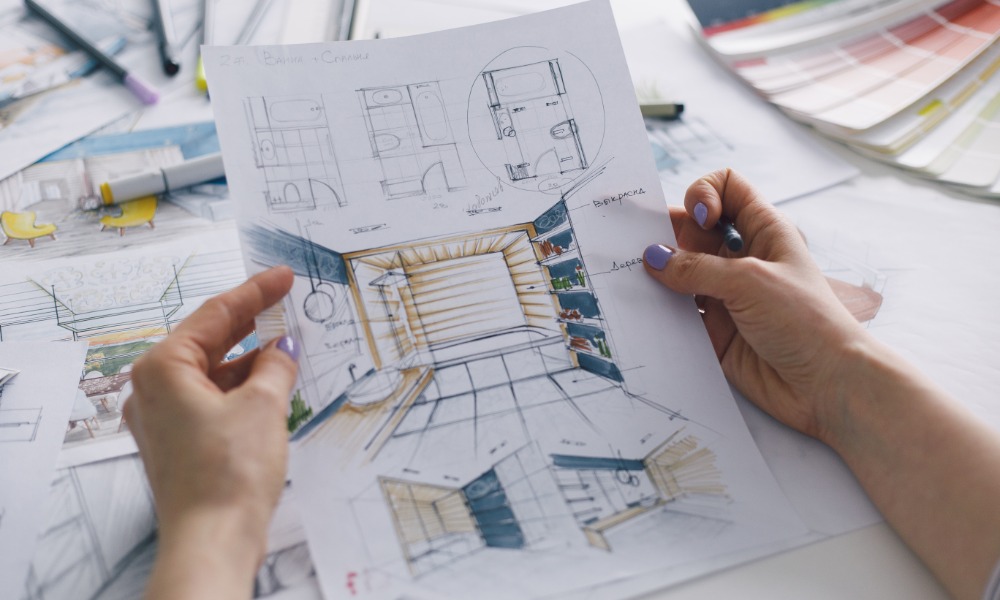
A bathroom remodel can completely change how your home looks and feels. That outdated vanity, cramped shower, or awkward layout might have served its purpose years ago, but your space deserves an update that suits your life today. Of course, a successful renovation involves more than beautiful tile and a fresh coat of paint. A thoughtful plan helps you create a bathroom that’s comfortable, attractive, and practical for years to come. If you’re ready to give your space a fresh start, our guide highlighting how to successfully remodel your bathroom is a great place to begin. Explore these tips, establish your priorities, and start planning a renovation you’ll love coming home to every single day.
Start With a Clear Vision for Your Bathroom
Before you shop for fixtures or choose paint colors, consider what you’d love to change about your current bathroom. Perhaps the shower feels too small, the vanity lacks storage, or the entire space seems darker than you’d prefer. Identifying these frustrations gives your renovation a clear direction. It also helps you separate features you’d genuinely appreciate from attractive extras that might not suit your daily routine. Think about how everyone in your household uses the space. A shared family bathroom might benefit from a double vanity, but a guest bathroom could feel more spacious with a compact pedestal sink.
Establish a Realistic Remodeling Budget
Bathroom renovations can vary considerably in price based on the room’s size, materials, and extent of construction. Replacing a vanity and updating fixtures generally costs less than relocating plumbing or rebuilding an entire shower. Before you commit to purchases, establish a budget that accounts for labor, materials, permits, and unexpected repairs.
Set aside an additional 10% to 20% for unforeseen expenses, especially in older homes. Hidden water damage, outdated pipes, or deteriorated subfloors can affect your plans once demolition begins. A financial cushion gives you more flexibility if those surprises appear.
You can also stretch your budget by keeping fixtures in their existing locations. A beautiful new vanity or bathtub can transform a bathroom without the expense of major plumbing changes. This approach leaves more room in your budget for finishes and features you’ll enjoy every day.
Evaluate Your Bathroom Layout Before Making Changes
An attractive bathroom still needs to function comfortably. Before you choose new fixtures, measure the room carefully and evaluate how people move through the space. Pay attention to door clearance, cabinet access, and the distance between major fixtures.
For example, a larger vanity might provide generous countertop space but leave little room to open the bathroom door. Similarly, a freestanding bathtub can look gorgeous in a showroom, but overwhelm a narrow bathroom. Scale matters just as much as style.
If your current layout works well, there’s no reason to rearrange everything. You can achieve a dramatic transformation through updated surfaces, modern fixtures, and a more cohesive color palette. Sometimes, thoughtful cosmetic changes deliver exactly the fresh appearance you want.
Select a Vanity That Balances Style and Storage
Your bathroom vanity has a substantial influence on the room’s appearance and daily convenience. Beyond its color and cabinet style, consider how much countertop space and storage your household needs. A beautiful vanity loses some of its appeal if toiletries constantly crowd the sink.
Drawers can be especially useful for cosmetics, grooming tools, and smaller personal items. Deep cabinets provide room for towels and taller products, although organizers may help prevent clutter. In a compact bathroom, a wall-mounted vanity can create a more open appearance by exposing additional floor space.
Don’t overlook countertop materials or sink placement. Quartz offers a polished appearance with relatively straightforward maintenance, and an undermount sink creates a clean transition between the basin and counter. Choose proportions that complement the room rather than dominate it. Get familiar with the bathroom vanity mistakes to avoid during remodeling so you can ensure the best results.
Give Your Shower or Bathtub Some Extra Attention
For many homeowners, the shower or bathtub becomes the centerpiece of a bathroom renovation. This is your opportunity to improve comfort and address frustrations with your existing setup. A cramped shower, worn bathtub, or awkward enclosure can influence how enjoyable the entire room feels.
A walk-in shower with a clear glass enclosure can help a smaller bathroom appear more spacious. Built-in niches provide convenient places for shampoo and soap without bulky accessories. If you enjoy long baths, a deeper soaking tub might deserve priority instead.
Consider the needs of your household before removing an existing bathtub. Families with young children may appreciate having at least one tub in the home. Accessibility features, such as a low shower threshold and appropriately installed grab bars, can also support long-term comfort.
Create a Thoughtful Bathroom Lighting Plan
Good bathroom lighting does more than brighten the room. It influences how colors appear, how comfortably you complete daily routines, and how welcoming the space feels. Relying on a single overhead fixture can leave shadows around the mirror and vanity.
Wall sconces beside the mirror or a suitable vanity light can provide more balanced illumination for everyday tasks. Recessed ceiling lights may help illuminate the shower and other areas. Choose fixtures rated for their intended bathroom locations, particularly near water.
Natural light deserves attention, too. If your bathroom has a window, consider privacy glass or moisture-resistant window treatments that allow daylight to enter. A lighter wall color can also help the room feel brighter.
Plan for Ventilation and Moisture Control
Even the most attractive bathroom can develop problems without adequate ventilation. Steam from hot showers increases indoor humidity and may contribute to peeling paint, mildew, and moisture damage. A properly sized exhaust fan helps remove humid air and protects your renovation.
Have a qualified professional assess the fan’s capacity and ductwork, especially if you plan to enlarge the shower. Exhaust air should vent outdoors rather than into an attic or another enclosed area. Moisture-resistant paint and appropriate waterproof materials provide additional protection.
Bring Your Bathroom Remodel Together With Confidence
A successful bathroom renovation should feel just as good to use as it looks. Thoughtful material choices, practical storage, comfortable fixtures, and a realistic budget all contribute to a space that suits your household. Give each decision the attention it deserves. With these tips on how to successfully remodel your bathroom, you can approach your project with a clearer vision and fewer surprises. Your next bathroom transformation starts with a thoughtful plan and the right materials.
