
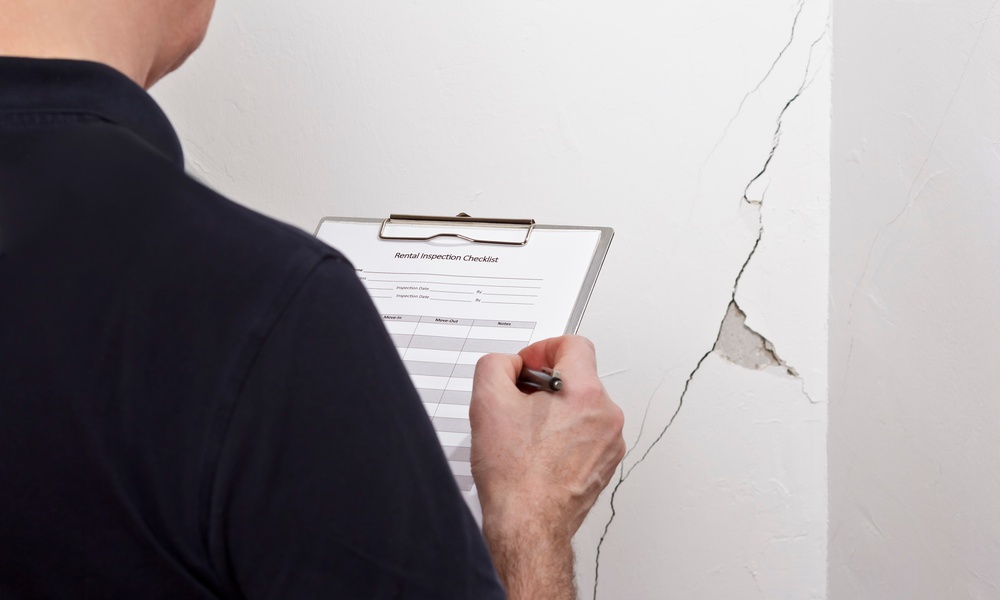
Your tenant sends a photo of a water stain spreading across the bedroom ceiling. You hire a contractor, approve the estimate, and hear good news two days later: the repair is complete. The invoice arrives before the contractor sends a single photo. Do you pay?
If you’re trying to verify rental repairs from another state, the hardest part isn’t finding someone to fix the problem. It’s knowing whether the repair solved the original issue when you’re hundreds of miles away. A clear approval process gives you evidence to work with instead of relying on someone’s word.
Agree on the Repair Before Work Begins
Start with the tenant’s report, but don’t treat the problem description as a diagnosis. A stain on the ceiling doesn’t tell you where the water entered. Ask the contractor to identify the likely source and explain what the proposed repair will accomplish.
Get the scope in writing before approving nonemergency work. For a leaking pipe, specify whether the quote covers replacing a damaged section or repairing the surrounding wall afterward. Otherwise, you risk paying for a plumbing repair while the tenant still has an open hole in the kitchen.
Ask the contractor to flag unexpected problems before increasing the price! Set a dollar limit for additional work that requires your approval. Emergencies sometimes demand immediate action to prevent further damage, so establish those rules ahead of time, too.
Request Photos That Answer Specific Questions
A picture of a freshly painted ceiling looks reassuring. Unfortunately, it doesn’t tell you whether someone fixed the leak above it. Ask for a photo of the original problem before the contractor starts. If the repair involves opening a wall, ask for a photo of the damaged component before the crew closes everything up. Then ask for a final image from roughly the same angle.
Compare the Invoice With Your Original Approval
The contractor quotes $450 for a bathroom repair. Three days later, the invoice says $760. Perhaps the plumber found another problem, but you shouldn’t have to guess where the difference came from.
Ask for an itemized explanation of additional labor or materials. If the contractor substituted a different fixture, confirm the model meets the agreed specifications.
Before authorizing the final payment, request one complete repair record:
- The original complaint and approved scope.
- Photos documenting the problem and completed work.
- The contractor’s description of the work performed.
- Relevant test results or inspection documents.
- An itemized invoice showing any approved changes.
Review the payment terms in your contract. If something doesn’t match, raise the concern promptly and document the response rather than ignoring a payment deadline.
Ask Your Tenant Whether the Problem Stopped
Your tenant has the best view of how the rental functions day to day. After the repair, ask a specific question about the problem that started the work order.
For example, if the tenant reported that the air conditioner stopped cooling, ask whether the home now reaches a comfortable temperature during normal use. Don’t settle for “The technician came by.” A visit doesn’t prove the repair worked.
Follow up again after a few days when the issue warrants it. Some problems return only after the appliance runs through several cycles. If the tenant reports the same symptoms, reopen the work order instead of starting a new, unrelated repair request.
Arrange Independent Eyes for Bigger Repairs
For a minor faucet replacement, clear documentation and tenant feedback usually give you a reasonable basis for approval. A roof replacement demands more scrutiny, especially when you won’t see the property yourself.
Hire a qualified local inspector or independent specialist when the cost or potential damage warrants it. Ask the person to examine the specific work rather than provide a general walk-through. A property manager documents visible conditions, but those observations don’t replace a licensed specialist’s technical assessment.
Decide Who Checks What
Before work starts, identify who will inspect the completed job and what evidence you expect. For work that requires permits, confirm the contractor obtained the necessary approvals and any required inspection sign-offs.
An official sign-off doesn’t guarantee that every detail of the work will perform perfectly. It adds another layer of verification to your records.
Manage Property Access Without Cutting Corners
Remote repairs get difficult when no one lives nearby to open the door. Vacant rentals give you more flexibility, but you still need to control who has access and when.
Review these lock box security tips for investment properties when arranging access for approved service providers. Give contractors access only for the work they need to complete. When appropriate, change shared codes after a job and keep track of who received them.
Occupied rentals require a different approach. Coordinate directly with your tenant and follow the property’s state entry-notice rules. Living far away doesn’t remove a renter’s privacy rights. Don’t give a contractor unrestricted access simply because a lock box makes entry convenient.
Resolve Problems Before Closing the Work Order
Suppose the contractor reports a successful kitchen sink repair, but the tenant sends another photo of water beneath the cabinet. Don’t mark the repair complete because the invoice arrived.
Send the new evidence to the contractor and ask for a clear plan to address the remaining problem. Refer to the original scope and any applicable craft warranty. If the parties disagree about whether the work meets the agreement, obtain an independent opinion before deciding on the next step.
For larger jobs, tie progress payments to milestones you defined in writing. Don’t make the final payment just because the contractor says the crew finished. At the same time, follow the agreed payment schedule and applicable law when handling a dispute.
Keep a Record for the Next Repair
A bathroom leak that reappears six months later is easier to investigate with the previous technician’s notes.
Save every repair under the property’s address and date. Store photos with the work order so you don’t have to search old text messages when another contractor asks what happened.
If the same equipment keeps breaking down, its repair history helps you decide whether replacement makes better financial sense.
Once you know how to verify repairs from another state, distance becomes a problem you manage with clear expectations. Set the scope before work begins, request evidence that addresses the original complaint, and bring in local expertise when the stakes are high.
