
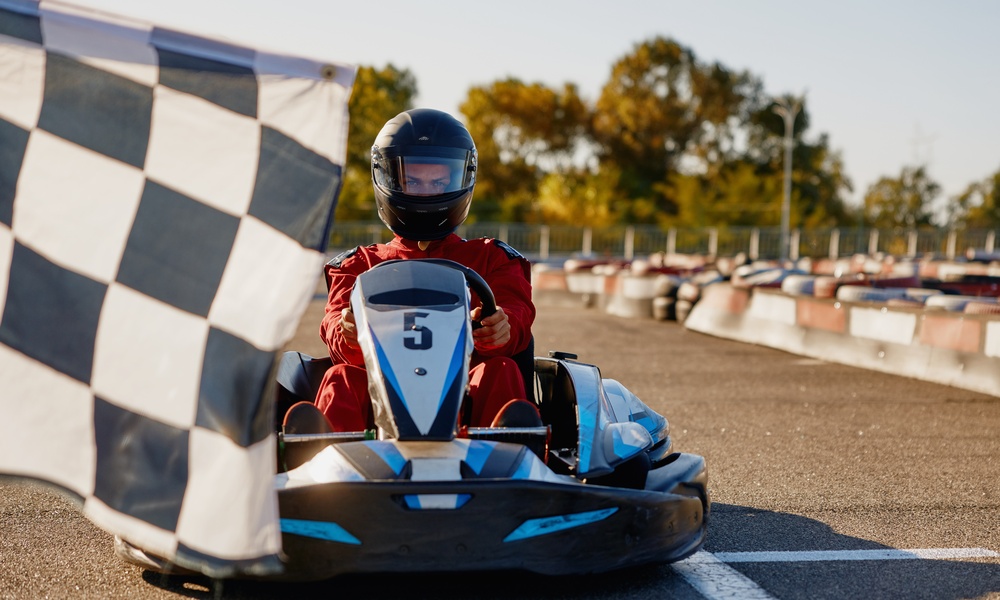
Go-kart racing delivers speed, pressure, and split-second decisions, making clear track rules more than basic instructions. Racers need structure before they can compete with control. When every driver understands the same expectations, the track becomes more predictable, and predictable racing gives everyone a better chance to react safely. Continue reading to explore how track rules keep go-kart racers safer.
Clear Signals Guide Drivers
Flags, lights, and hand signals provide racers with quick information in fast-moving conditions. A yellow flag tells drivers to slow down and watch for trouble ahead. A red flag tells everyone to stop because the track needs immediate attention. A checkered flag ends the session and tells drivers to return under control.
Racers can’t rely on guesswork at high speeds. Track signals eliminate confusion and provide drivers with a shared language. When everyone responds quickly to the same signal, drivers avoid sudden reactions that can lead to contact, spins, or pileups.
Passing Rules Reduce Contact
Passing creates some of the most exciting moments in go-kart racing, but it also carries risk. Track rules usually limit where racers can pass and how much space they must leave. These rules prevent aggressive moves in corners, blind spots, or narrow sections where drivers have little room to recover.
Clean passing depends on patience and timing. Racers who respect passing zones give other drivers time to hold their line. That control keeps competition sharp without turning every overtake into a collision risk.
Speed Control Protects Everyone
Speed rules help tracks manage different kart types, driver skill levels, and course layouts. A beginner session needs different limits than an advanced heat. Track managers use speed rules to match the environment to the racers on the course.
Drivers should also understand how speed limits on pro-grade tracks support safety during practice, qualifying, and race sessions. Even experienced racers need clear boundaries when weather, traffic, or track conditions change. Controlled speed helps drivers brake earlier, corner more stably, and avoid risky moves.
Gear Rules Add Protection
Helmet requirements, closed-toe shoes, gloves, neck restraints, and fitted clothing reduce the risk of injury. Loose clothing can catch on equipment, and poor footwear can limit pedal control. Track staff usually inspect gear before drivers enter the course because small details can quickly affect safety.
Gear rules also create consistency. When every racer meets the same safety standard, staff can focus on managing the track instead of correcting preventable problems after drivers line up.
Staff Instructions Help Maintain Order
Track marshals monitor behavior, respond to incidents, and remove unsafe drivers as needed. Racers must follow staff instructions without delay. A driver who ignores a warning or continues racing after a stop signal puts everyone nearby at risk.
Rules only work when the track enforces them. Consistent enforcement reminds racers that safety doesn’t depend on experience level, race position, or confidence. It depends on the discipline.
Safer Racing Starts With Respect
Go-kart racing rewards focus, skill, and courage, but safe racing starts with respect for the rules. Every signal, speed limit, passing guideline, and gear requirement serves a purpose. Drivers who take those rules seriously protect themselves and everyone sharing the course.
The safest racers don’t treat rules as obstacles. They treat them as part of the race. When drivers compete with control, the track stays intense, fair, and far safer from the first lap to the finish.
