
Cardiac assessments depend on more than a single number or symptom. Clinicians need a clear picture of how the cardiovascular system responds at a specific moment and how that response changes over time. Vital signs provide clinicians with immediate information that can guide the rest of the examination.
Heart rate, blood pressure, oxygen saturation, and respiratory rate each reveal different aspects of the patient’s condition. When clinicians interpret these measurements together, they can identify concerning patterns and determine where to focus their attention. Careful vital sign monitoring can support healthcare professionals in making better cardiac assessments.
Observe Heart Rate
Heart rate gives clinicians an immediate look at how quickly the heart pumps blood through the body. A rate outside the expected range can prompt questions about medications, activity, pain, hydration, or an underlying cardiovascular concern.
The number alone doesn’t tell the whole story. Clinicians should also consider rhythm and the patient’s current condition. Someone who has just walked down a hallway may naturally have a faster pulse than someone who has rested quietly for several minutes.
Changes from a patient’s usual heart rate can also provide valuable context. A significant increase or decrease may warrant closer evaluation, even when the measurement remains within a commonly accepted range.
Regular monitoring helps clinicians understand individual patterns. When healthcare teams compare current measurements with prior readings, they gain a clearer picture of how the patient’s cardiovascular system responds over time.
Watch Blood Pressure
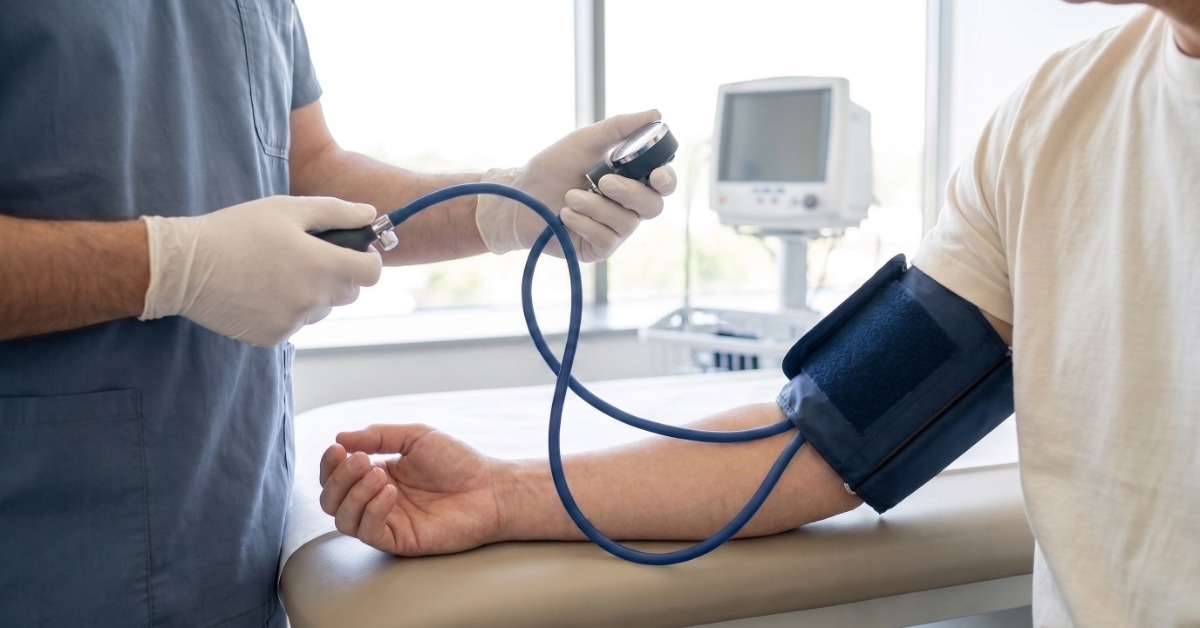
Blood pressure offers another important view of cardiovascular function. It reflects the force blood places against artery walls as the heart pumps and rests between beats.
High readings can place additional strain on the cardiovascular system over time. Low readings may indicate that the body struggles to maintain adequate circulation. Clinicians can use both systolic and diastolic measurements to understand how effectively the heart and blood vessels support blood flow.
Technique also plays an important role in obtaining accurate readings. Clinicians should select an appropriate cuff size and position the patient correctly. Activity immediately before measurement may also affect the result.
A single unusual reading doesn’t always indicate an urgent problem. Repeated measurements help clinicians determine whether the change persists or is temporary. Comparing readings across appointments can also reveal trends that warrant further attention.
Check Oxygen Saturation
Oxygen saturation indicates how effectively the blood carries oxygen throughout the body. Clinicians often measure it quickly with a pulse oximeter during routine assessments.
This measurement adds important context to cardiac evaluation because the heart and lungs work closely together to deliver oxygen. When oxygen saturation drops, the cardiovascular system may work harder to support the body’s needs.
That connection explains why pulse oximetry is important for cardiac health monitoring. A pulse oximeter provides clinicians with another source of immediate information that they can compare with heart rate, breathing patterns, and symptoms.
Clinicians shouldn’t interpret oxygen saturation without context. Cold fingers, movement, poor circulation, nail products, and device placement can interfere with readings. When a result seems inconsistent with the patient’s appearance or symptoms, clinicians can reposition the sensor or repeat the measurement before deciding what the number suggests.
Notice Respiratory Rate
Respiratory rate sometimes receives less attention during a cardiac assessment, but breathing can reveal valuable information about cardiovascular stress. The heart and lungs constantly work together to deliver oxygen and remove carbon dioxide.
A patient who breathes faster than expected may experience pain, anxiety, respiratory difficulty, or increased cardiovascular demand. Slower breathing may also require additional attention, depending on medications and other clinical factors.
Clinicians can learn more by observing how the patient breathes rather than focusing solely on the final count. Shallow breathing or visible effort can provide additional clues about the patient’s condition.
Breathing changes may also appear alongside abnormal heart rate or oxygen saturation measurements. Together, these findings can help clinicians identify patients who need closer evaluation.
Look for Patterns
Vital signs become most useful when clinicians consider how the measurements relate to one another. One unusual number provides limited information. Several related changes can create a much clearer clinical picture.
For example, a patient with a rapid heart rate and low oxygen saturation may require a different approach than a patient who only shows a mildly elevated pulse after physical activity. Blood pressure and respiratory rate provide additional context for each situation.
Clinicians should also compare objective measurements with the patient’s symptoms. Chest discomfort, dizziness, fatigue, or shortness of breath can influence how a healthcare professional interprets otherwise modest changes in vital signs.
This approach prevents clinicians from focusing too heavily on a single reading. Because the cardiovascular system interacts with many parts of the body, effective assessment requires clinicians to connect measurements with what they observe and what the patient reports.
Track Changes Over Time
A patient’s history can make vital sign measurements more useful. Regular documentation gives clinicians a reference point during future visits and helps healthcare teams recognize gradual changes.
Someone may consistently maintain a heart rate or blood pressure near one end of the typical range. That baseline can help clinicians recognize when a new measurement represents a meaningful shift for that particular patient.
Accurate documentation also supports communication among healthcare professionals. When each team member can review reliable previous measurements, clinicians can make more informed comparisons and identify patterns more easily.
Repeated measurements can also show how a patient responds to treatment. Clinicians may monitor heart rate or blood pressure after medication changes, for example. Tracking those responses gives healthcare teams additional information when they evaluate the treatment plan.
Use Reliable Equipment
Accurate assessments depend on reliable clinical equipment. Blood pressure monitors, pulse oximeters, thermometers, and related tools require proper maintenance and appropriate use.
Clinicians should inspect equipment for visible signs of wear and follow the manufacturer’s recommendations for cleaning or maintenance. Damaged components can interfere with readings and make clinical interpretation more difficult.
Staff training also supports accuracy. Team members should understand how to position cuffs, place sensors, and recognize readings that warrant a repeat measurement. Consistent techniques make it easier to compare results across visits.
Healthcare organizations should also choose equipment that fits their clinical environment. Busy practices may need durable tools for frequent use, while specialized settings may require equipment designed for specific patient populations.
Build a Clearer Cardiac Picture
Vital signs provide clinicians with a practical starting point for cardiac assessments, but their greatest value lies in thoughtful interpretation. Heart rate can reveal changes in cardiovascular demand, while blood pressure provides information about circulation. Oxygen saturation and respiratory rate add another layer of insight into how effectively the body delivers oxygen.
A careful approach helps healthcare teams recognize meaningful changes and ask better clinical questions. When clinicians connect vital signs instead of viewing each number in isolation, they gain a more complete understanding of cardiovascular health and can respond more effectively to each patient’s needs.
