
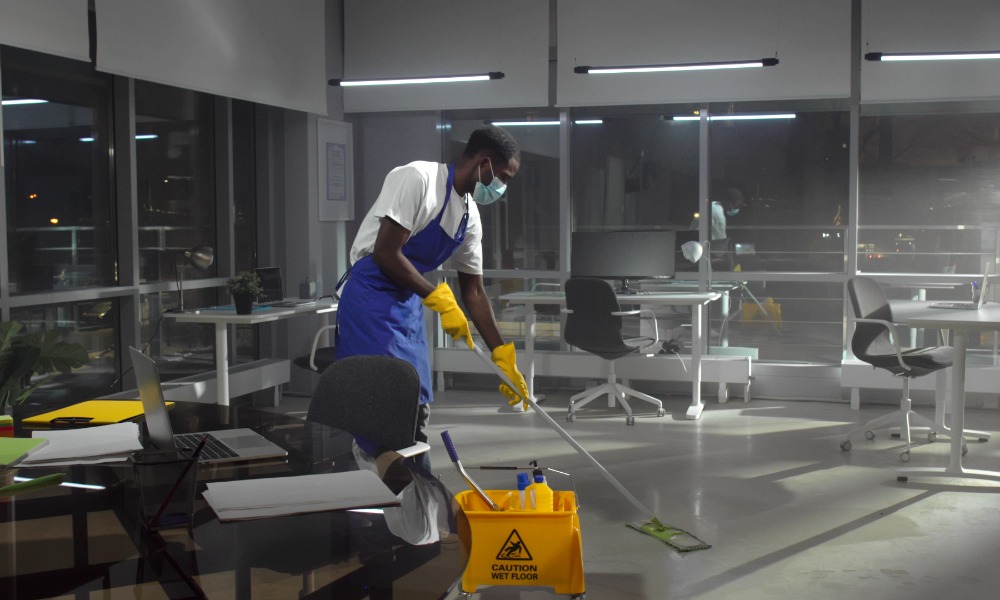
Janitorial staff play an essential role in keeping businesses clean, safe, and comfortable for everyone. Whether they maintain office buildings, retail stores, or industrial facilities, these hardworking employees handle tasks that directly affect workplace health and productivity. However, many businesses overlook the challenges their cleaning teams face every day. Supporting janitorial workers requires more than simply providing cleaning equipment and expecting results. Businesses should create an environment where these employees have the resources and respect they need to succeed. Here are some practical ways your business can better support its janitorial staff and improve overall workplace conditions.
Provide High-Quality Cleaning Equipment
Janitorial employees rely on their equipment to complete daily responsibilities efficiently. Outdated vacuums, damaged mop buckets, and unreliable cleaning machines can make routine tasks unnecessarily difficult. Investing in quality equipment helps workers maintain consistent cleaning standards while reducing physical strain.
Consider the specific cleaning requirements of your facility before purchasing equipment. Large commercial buildings might benefit from automatic floor scrubbers, while smaller offices may only require lightweight vacuums and ergonomic cleaning tools.
Regular equipment inspections also help prevent unexpected breakdowns. Ask employees which tools work best and whether they experience recurring problems with existing equipment. Their feedback can help your business make smarter purchasing decisions.
Maintain a Reliable Inventory of Supplies
Running out of cleaning products creates unnecessary challenges for janitorial employees. Workers cannot maintain proper sanitation standards without consistent access to essential materials.
Businesses should establish an organized inventory system that tracks product usage and identifies when supplies need replenishment. Important janitorial supplies include disinfectants, trash liners, microfiber cloths, paper products, and appropriate personal protective equipment.
Designate someone to monitor inventory levels and communicate directly with cleaning personnel about their needs. You can also establish automatic ordering schedules for frequently used products.
Keeping backup supplies available helps employees handle unexpected situations without interrupting their normal cleaning routines.
Create Realistic Cleaning Schedules
Janitorial employees often manage demanding workloads within limited timeframes. Businesses sometimes underestimate how long certain cleaning tasks require, especially in facilities with heavy foot traffic.
Develop cleaning schedules that account for building size, occupancy levels, and specific sanitation requirements. Consider how frequently employees need to clean restrooms, common areas, and individual workspaces.
Avoid assigning excessive responsibilities during short shifts. Unrealistic expectations can increase employee stress and compromise cleaning quality.
Instead, work directly with janitorial teams to establish manageable schedules. Their firsthand experience can help identify which tasks require additional time or staffing support.
Prioritize Workplace Safety
Cleaning professionals regularly encounter potential workplace hazards, including slippery floors, chemical exposure, and repetitive physical movements. Businesses should take these risks seriously and establish clear safety procedures.
Provide appropriate protective equipment and ensure employees understand how to handle cleaning chemicals safely. Maintain accessible safety data sheets and train workers on proper chemical storage.
Additional safety measures include:
- Providing slip-resistant footwear recommendations for employees.
- Using clear warning signs around wet floors.
- Maintaining adequate ventilation during cleaning activities.
- Supplying ergonomic tools that reduce physical strain.
- Establishing procedures for reporting workplace hazards.
Regular safety discussions allow employees to raise concerns before minor problems become serious incidents.
Offer Comprehensive Training Opportunities
Effective training helps janitorial employees perform their responsibilities confidently. Even experienced workers benefit from learning about updated cleaning techniques and equipment.
Businesses should provide training when introducing new chemicals, machinery, or sanitation procedures. Demonstrations can help employees understand correct product applications and avoid potentially dangerous mistakes.
Training should also address infection prevention, waste handling, and equipment maintenance.
Consider offering professional development opportunities for employees interested in supervisory positions or specialized cleaning services. Supporting career advancement demonstrates that your business values their long-term contributions.
Encourage Open Communication
Janitorial workers often operate outside traditional business hours, which can limit their interactions with managers and other employees. This separation sometimes makes it difficult for cleaning teams to communicate concerns.
Establish reliable communication channels that allow janitorial employees to report equipment problems, request supplies, and discuss workplace challenges.
Supervisors should regularly check in with cleaning personnel and encourage honest feedback.
When employees identify problems, respond promptly and explain how management plans to address their concerns. Consistent communication helps build trust and prevents small issues from affecting daily operations.
Recognize Their Contributions
Janitorial employees contribute significantly to workplace comfort, yet their efforts often receive little recognition. Acknowledging their contributions can improve morale and strengthen workplace relationships.
Simple gestures, such as thanking employees personally or highlighting their accomplishments during staff meetings, can make a meaningful difference.
Businesses might also introduce employee recognition programs that celebrate outstanding performance.
Recognition should remain genuine and consistent rather than appearing only during special occasions. Encourage other employees to appreciate the work janitorial teams perform throughout the year.
Provide Comfortable Break Areas
Janitorial work involves considerable physical activity, making adequate rest periods especially important. Employees need comfortable spaces where they can recover during demanding shifts.
Provide clean break areas with seating, drinking water, and convenient access to restrooms. Make sure these spaces remain available to cleaning personnel regardless of their shift schedules.
Businesses should also respect scheduled breaks and avoid assigning additional responsibilities during designated rest periods.
When possible, provide secure storage areas where employees can keep personal belongings without worrying about damage or theft.
Support Fair Compensation and Benefits
Competitive compensation demonstrates that your business recognizes the value of professional cleaning services. Review local wage standards and consider how employee responsibilities compare with similar positions.
Fair compensation can also help businesses attract experienced workers and reduce turnover.
Beyond wages, consider offering benefits such as paid time off, health coverage, or flexible scheduling when feasible.
For businesses that contract outside cleaning companies, evaluate whether service agreements support reasonable workloads and fair employment practices.
Investing in employee well-being can contribute to stronger retention and more consistent cleaning performance.
Establish Clear Workplace Expectations
Confusing instructions can create frustration for janitorial employees. Different departments may request additional cleaning services without considering existing responsibilities.
Develop written cleaning standards that clearly explain daily tasks and expected results.
Communicate these expectations to both janitorial workers and other employees. Establish procedures for submitting special cleaning requests rather than allowing individual departments to assign tasks independently.
Clear expectations help cleaning teams prioritize responsibilities and maintain consistent service quality.
Managers should periodically review cleaning requirements as building occupancy and business operations change.
Promote Respect Across Your Organization
Every employee should treat janitorial personnel with professionalism and courtesy. Unfortunately, cleaning workers sometimes experience dismissive attitudes or unnecessary interruptions while performing their duties.
Business leaders can address these problems by establishing clear expectations for respectful workplace behavior.
Encourage employees to clean up personal messes, dispose of trash properly, and avoid creating unnecessary work for cleaning teams. Supervisors should also address disrespectful behavior immediately.
Creating an inclusive workplace culture helps janitorial employees feel like valued members of the organization rather than overlooked service providers.
Regularly Evaluate Your Support Efforts
Supporting janitorial staff requires ongoing attention rather than occasional improvements. Businesses should periodically evaluate whether their policies and resources continue meeting employee needs.
Conduct informal check-ins or anonymous surveys to gather feedback about working conditions.
Review equipment performance, staffing levels, and cleaning schedules to identify opportunities for improvement. Pay attention to recurring concerns and involve employees when developing solutions.
When businesses consistently support their janitorial teams, they create healthier workplaces and encourage stronger employee satisfaction. Reliable resources and respectful treatment allow cleaning professionals to perform their responsibilities effectively. These improvements benefit everyone who enters your facility while demonstrating your commitment to the people who maintain it.
