
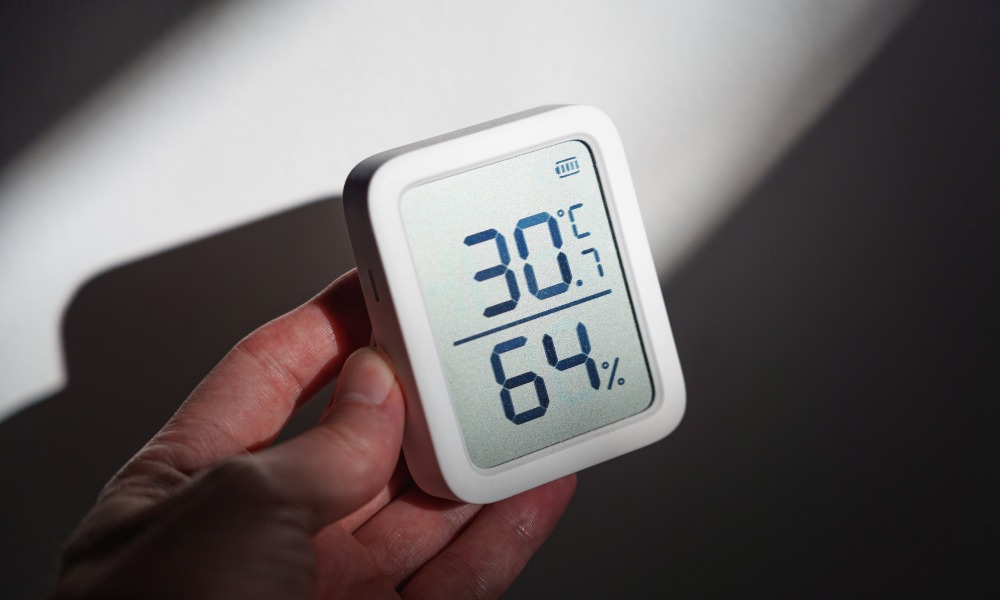
Buying a home involves more than comparing mortgage payments, property taxes, and insurance premiums. Environmental conditions also influence how much homeowners spend maintaining their properties over time. When you clearly understand how your local climate shapes homeownership costs, prospective buyers can better evaluate long-term expenses, anticipate maintenance challenges, and make informed financial decisions before committing to a property.
A home in a humid coastal region faces different maintenance demands than one in a dry desert or a snowy northern community. Temperature fluctuations, precipitation patterns, and severe weather exposure influence everything from roofing materials to utility expenses. These differences make climate an important consideration when calculating the true cost of homeownership.
Why Geography Influences Property Expenses
Location determines more than neighborhood amenities and real estate values. Regional weather patterns affect how frequently homeowners must maintain exterior surfaces, inspect structural components, and replace equipment. Properties that experience intense seasonal conditions may require more frequent preventive maintenance than comparable homes in milder environments.
For example, homeowners in coastal communities often contend with salt exposure, elevated humidity, and tropical storms. Northern properties may face snow accumulation, freezing temperatures, and repeated freeze-thaw cycles. Each environment creates distinct financial considerations that homeowners should incorporate into annual maintenance budgets.
How Temperature Extremes Affect Energy Bills
Heating and cooling expenses represent a substantial portion of ongoing homeownership costs. Regions with prolonged summers often require extensive air conditioning, while colder climates create greater heating demands. The efficiency of a home’s insulation, windows, and mechanical systems determines how effectively it manages these conditions.
Extreme temperatures also place additional demands on heating, ventilation, and air conditioning equipment. Systems that operate frequently may require more maintenance, particularly when homeowners neglect filter changes or routine inspections. Proper equipment sizing and professional servicing can maintain efficiency and reduce avoidable wear.
The Financial Impact of Humidity and Moisture
Humidity creates maintenance challenges that extend beyond indoor comfort. Persistent moisture can encourage mold growth, contribute to wood deterioration, and damage certain building materials. Homeowners in humid regions must pay particular attention to ventilation, drainage, and moisture management.
Roofing systems face additional challenges when warm temperatures combine with frequent rainfall. Understanding how Georgia humidity can affect your home’s roofline illustrates why regional conditions matter when evaluating exterior maintenance expenses. Moisture exposure, inadequate attic ventilation, and recurring condensation can contribute to deterioration when homeowners fail to address underlying problems.
How Severe Weather Changes Maintenance Budgets
Storm exposure introduces financial uncertainty into homeownership. Hurricanes, tornadoes, hailstorms, and severe thunderstorms can damage roofing materials, siding, windows, and outdoor structures. Even properties that avoid catastrophic damage may require periodic repairs following intense weather events.
Homeowners should consider regional storm patterns when evaluating a property’s long-term affordability. Some locations experience frequent wind-related damage, while others face recurring flooding or heavy snow accumulation. Local hazard information can help buyers identify risks that might not appear during a routine property showing.
Why Climate Affects Roofing and Exterior Materials
Exterior building materials experience continuous exposure to environmental conditions. Sunlight, moisture, wind, and temperature changes gradually affect their appearance and performance. The rate of deterioration depends on material quality, installation practices, maintenance, and local weather patterns.
Asphalt shingles may experience accelerated aging under intense ultraviolet exposure and prolonged heat. Metal roofing can offer durable performance in many environments, but appropriate installation and corrosion resistance remain important. Wood siding requires particular attention in climates where moisture encourages decay.
Regional Climate Risks Worth Evaluating Before Buying
Prospective homeowners can avoid unexpected expenses by investigating local environmental conditions before purchasing property. Climate-related concerns vary widely, making regional research an essential part of financial planning. Buyers should examine historical weather patterns and the property’s existing condition.
Important considerations include:
- Flood exposure: Review available flood maps, drainage conditions, and insurance requirements.
- Wind and storm risks: Investigate regional weather hazards and the condition of roofing systems.
- Temperature extremes: Evaluate insulation, HVAC efficiency, and historical utility expenses.
- Moisture conditions: Look for signs of water intrusion, inadequate ventilation, or recurring condensation.
- Drought and wildfire exposure: Assess landscaping requirements, vegetation management, and local fire hazards.
The abovementioned considerations help buyers understand potential maintenance obligations before closing. Professional inspections can reveal existing concerns, although standard inspections cannot predict every future weather-related problem. Combining property evaluations with regional research supports more realistic budgeting.
How Climate Influences Home Insurance Expenses
Insurance represents another significant expense that varies according to geographic risk. Insurers consider factors, such as severe weather exposure, rebuilding costs, property characteristics, and historical claims, when determining premiums. Homeowners in areas with substantial catastrophe risks may encounter higher premiums, larger deductibles, or fewer coverage options.
Standard homeowners’ insurance policies generally exclude flood damage, which often requires separate coverage. Other exclusions and limitations depend on the policy and insurer. Buyers should carefully review coverage terms instead of assuming every weather-related loss qualifies for reimbursement.
The Value of Climate-Appropriate Home Improvements
Strategic home improvements can help homeowners manage climate-related expenses over time. Effective upgrades address specific environmental challenges rather than relying on general assumptions about what every property needs. The most useful investments often improve durability, efficiency, or resistance to common regional hazards.
In hot climates, improved insulation and efficient cooling equipment can reduce energy consumption. Colder regions may benefit from air sealing, weather-resistant windows, and appropriate attic insulation. Homes in storm-prone areas may require reinforced roofing connections or other improvements that meet applicable local building requirements.
Planning for Long-Term Climate-Related Costs
Climate considerations should remain part of household budgeting long after the initial purchase. Homeowners benefit from establishing maintenance reserves that account for local weather conditions and the age of major building systems. Regular inspections can identify developing problems before they require extensive repairs.
A useful financial plan should distinguish predictable maintenance from unexpected damage. Routine HVAC servicing, gutter cleaning, and exterior inspections represent recurring obligations, while major storm repairs may create irregular expenses. Separating these categories helps homeowners prepare for ordinary upkeep and larger financial disruptions.
Ultimately, understanding the climate-related costs of homeownership helps buyers look beyond the initial purchase price and evaluate the responsibilities that accompany property ownership. Regional weather conditions influence maintenance schedules, energy consumption, insurance expenses, and the durability of building materials. By researching environmental risks and planning for ongoing upkeep, homeowners can make better financial decisions and protect their investments over time.

 The World Beast

