
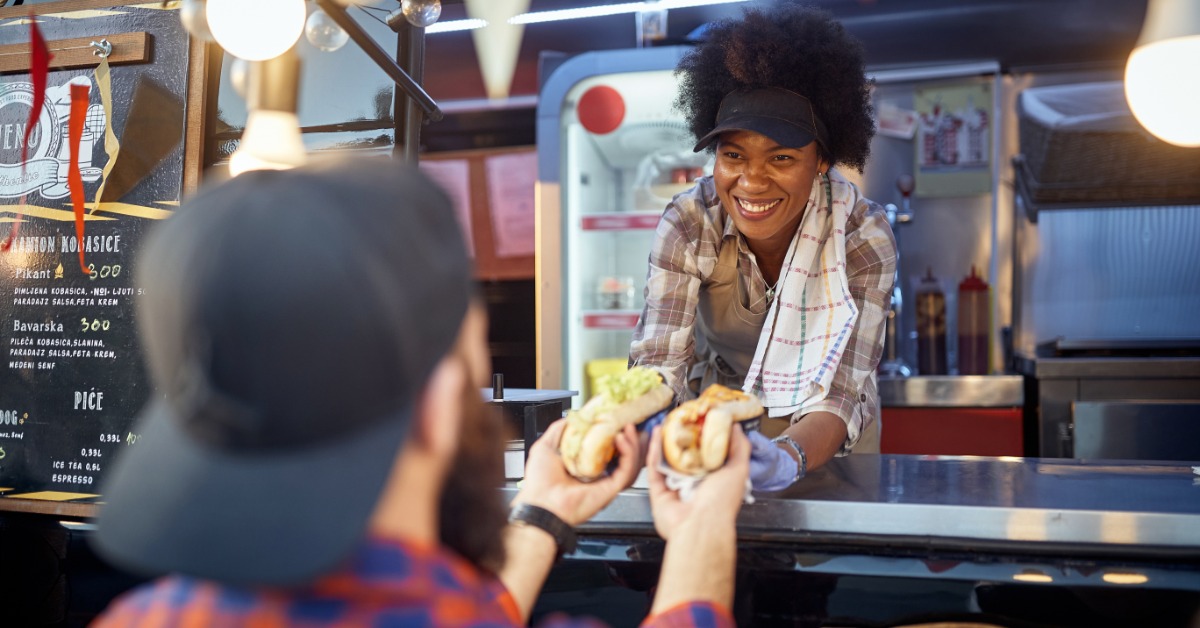
Food trucks have become a popular choice for weddings, corporate gatherings, festivals, birthday parties, and community celebrations. They offer fresh food, unique menus, and an interactive dining experience that keeps guests engaged. However, choosing the right food truck takes more than picking a menu that sounds delicious. You need to evaluate logistics, guest preferences, scheduling, and vendor reliability to create a smooth event. Careful planning helps you avoid delays, long lines, and unexpected costs while giving your guests an enjoyable experience they will remember.
Understand Your Event Needs
Before contacting food truck vendors, define the goals of your event. Consider the number of guests, the event length, and the type of atmosphere you want to create. A casual outdoor birthday party may require one truck, while a large company picnic might need several vendors serving different cuisines.
Think about your audience as well. Families with children often appreciate simple menu options, while corporate events may benefit from gourmet offerings or customizable meals. Matching the food selection to your guests helps everyone enjoy the experience.
You should also determine whether you want food trucks to serve as the main meal or provide snacks and desserts. Your answer will influence the number of vendors and the amount of food you need.
Choose the Right Food Truck Style
Every food truck has its own specialty, and the best choice depends on your event theme and guest expectations. Some trucks focus on barbecue, tacos, burgers, or pizza, while others specialize in vegan meals, international cuisine, or handcrafted desserts.
Ask vendors about their signature dishes and most popular menu items. Review photos of previous events to see how they present food and manage customer lines. Reading customer reviews also gives you valuable insight into food quality and service consistency.
Offering multiple food styles can increase guest satisfaction because everyone has different tastes. A combination of savory meals and dessert trucks often creates a balanced dining experience.
Verify Licensing and Insurance
Professional food truck operators should carry the proper business licenses, health permits, and insurance coverage. Request documentation before signing a contract. These documents show that the vendor follows local regulations and operates legally.
Insurance protects both you and the vendor if accidents occur during the event. Liability coverage remains especially important for large public gatherings where many guests move through the serving area.
You should also confirm whether the venue requires additional permits for mobile food vendors. Some locations have specific rules regarding parking, generators, waste disposal, and operating hours.
Consider Space and Parking Requirements
Food trucks need more room than many event organizers expect. Measure the available space before booking vendors to ensure they can park safely and serve guests efficiently.
Discuss these details with the vendor before the event:
- Available parking dimensions
- Surface conditions for truck placement
- Electrical access if needed
- Generator requirements
- Guest traffic flow
- Emergency vehicle access
- Loading and unloading areas
A well-planned layout reduces congestion and creates a more comfortable experience for everyone.
Review Menu Flexibility
Menus play a major role in guest satisfaction. While many food trucks specialize in a limited selection, some offer customizable meals or expanded options for larger events.
Ask whether the vendor can accommodate dietary restrictions such as vegetarian, vegan, gluten-free, dairy-free, or nut-free requests. Events often include guests with food allergies or specific dietary preferences, so menu flexibility becomes an important advantage.
You should also ask about portion sizes and serving speed. A menu with too many customization options may slow service during busy periods.
Plan for Guest Volume
Long wait times can frustrate guests, especially during large events. Talk with vendors about how many meals they can prepare each hour. Experienced food truck operators can estimate service times based on their equipment, staffing, and menu complexity.
If you expect several hundred attendees, consider hiring multiple food trucks instead of relying on one vendor. Multiple service points reduce waiting times and spread guests throughout the venue.
You can also stagger meal times for corporate events or conferences to prevent everyone from lining up at once.
Discuss Pricing and Payment Options
Food truck pricing varies based on menu selection, guest count, travel distance, and event duration. Some vendors charge a flat event fee, while others require guests to purchase meals individually.
Ask for a detailed written estimate that includes every expected cost. The quote should clearly explain travel fees, overtime charges, staffing costs, minimum sales requirements, and gratuities if applicable.
Clarify payment deadlines and cancellation policies before signing any agreement. A clear contract helps prevent misunderstandings later.
Focus on Food Safety and Cleanliness
Food safety should remain a top priority throughout the event. Observe how vendors handle food preparation, ingredient storage, and cleaning procedures. Clean workstations and organized kitchens often reflect strong operational standards.
Guests also appreciate visible sanitation practices. Providing nearby trash bins encourages proper waste disposal, while convenient hand sanitizing stations help guests clean their hands before eating. These simple additions improve comfort and promote a cleaner event environment without disrupting the overall experience.
Ask vendors how they maintain food temperatures and protect ingredients during outdoor events, especially during hot summer months.
Coordinate Timing Carefully
Timing affects nearly every aspect of a successful event. Confirm arrival times, setup schedules, serving hours, and departure plans with every vendor well before the event date.
Food trucks often need extra time to position vehicles, prepare equipment, and complete final food preparation before serving begins. Building additional time into your schedule reduces unnecessary stress if traffic or weather causes minor delays.
Share a detailed event timeline with every vendor so everyone understands when guests will arrive and when meal service should begin.
Prepare for Weather Conditions
Outdoor events always involve some weather uncertainty. Discuss backup plans with vendors in case rain, strong winds, or extreme temperatures affect the event.
Some food trucks operate comfortably during light rain, while others may face equipment limitations under severe weather conditions. Understanding these limitations allows you to prepare alternative serving locations if necessary.
If your venue offers covered areas, reserve enough space for trucks and guest lines whenever possible. Comfortable waiting areas encourage guests to stay relaxed even if the weather changes unexpectedly.
Evaluate Communication and Professionalism
The booking process often reflects the quality of the overall experience. Vendors who respond quickly, answer questions clearly, and provide organized contracts usually demonstrate strong professionalism.
Pay attention to how they communicate during your planning process. Reliable vendors willingly discuss menu options, scheduling details, setup requirements, and contingency plans. They also explain their expectations without creating confusion.
Strong communication helps both sides solve small issues before they become larger problems on event day.
Read Reviews and Request References
Online reviews provide useful information about food quality, customer service, and reliability. Look for consistent patterns rather than focusing on one unusually positive or negative review.
Whenever possible, ask vendors for references from recent clients. Speaking directly with previous customers gives you valuable insight into punctuality, professionalism, and guest satisfaction.
Photos from previous events also help you evaluate presentation, truck appearance, and serving efficiency.
Getting Set Up
Hiring food trucks for an event offers a fun, memorable, and flexible dining experience, but successful planning requires careful attention to detail. By evaluating menus, confirming permits, planning logistics, reviewing pricing, and preparing for guest needs, you create an event that runs smoothly from start to finish. Choosing experienced vendors who communicate well and maintain high food safety standards allows you to focus on your guests instead of solving preventable problems. With thoughtful preparation, food trucks can become one of the most enjoyable highlights of your next event.
