
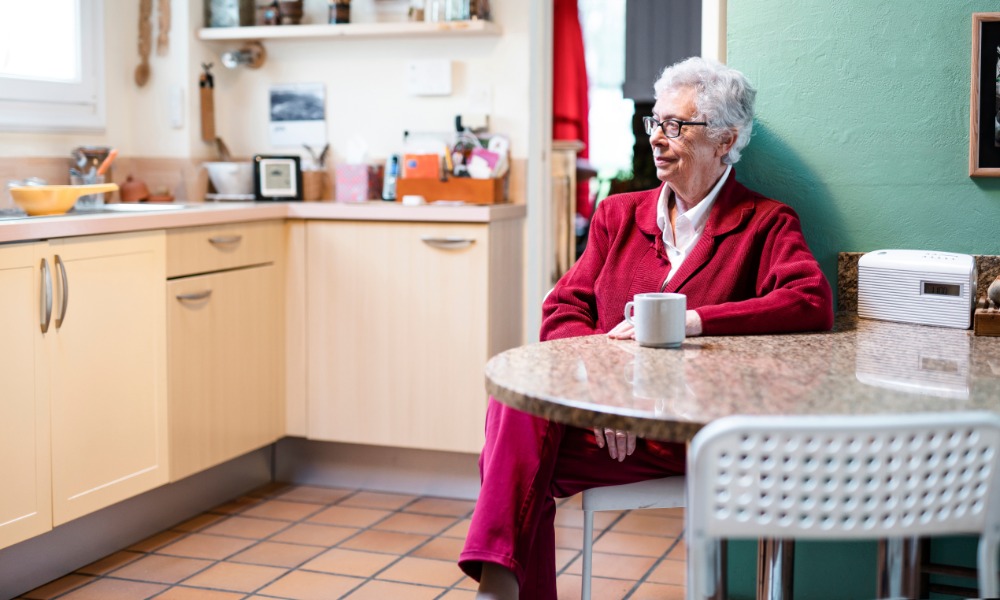
A familiar home often carries decades of memories, routines, and personal details that make independent life especially meaningful for older adults. As physical needs change, spaces that once felt effortless can place greater demands on balance and mobility. These important home upgrades for seniors living alone allow adaptation without sacrificing the comfort or personality that makes it feel like home.
Home improvements for seniors do not need to create a clinical atmosphere or require extensive renovations across every room. Instead, each change should respond naturally to the way a resident moves through the space and handles normal tasks each day. The result can feel subtle and closely connected to an established lifestyle.
Create Clearer Paths Through Familiar Rooms
A comfortable home needs enough open space for residents to move naturally between furniture and the areas they use most. Rooms that contain too much furniture can restrict movement and make familiar routes unexpectedly difficult as mobility starts to change. More open floor space gives each room a calmer sense of order without removing the furnishings that hold personal value.
Furniture placement deserves particular attention near doorways and narrow passages. A favorite chair or decorative table may seem harmless until it interferes with a cane or a walker. Subtle adjustments can preserve the room’s familiar appearance and create a more comfortable path through the space.
Add Support Without Changing the Home’s Character
Extra support can become part of the architecture rather than stand apart from the home’s established design. Modern grab bars can resemble attractive bathroom hardware and provide a dependable handhold where residents naturally need additional stability. Their placement should reflect actual movement through the room instead of assumptions about where support might seem useful.
Stair rails deserve the same thoughtful approach. A rail that begins too late or ends too early can leave residents without support at the exact moment they need it. Proper proportions allow the hand to remain secure from the first step through the final transition onto the next floor.
Bring More Light Into Everyday Spaces
Vision can change gradually with age, and a once comfortable amount of light may no longer reveal important details across the home. Shadows near stairs or transitions between rooms can make depth harder to judge, even within spaces a resident knows extremely well. Better illumination restores definition to the environment without making rooms feel excessively bright.
Light should feel natural within the character of each space. Soft illumination near a hallway or bedroom can make nighttime movement easier without producing uncomfortable glare across walls and reflective surfaces. Controls should also remain easy to reach from the places where residents naturally enter each room.
Make the Bathroom Feel More Secure
The bathroom deserves careful attention since hard surfaces and limited floor space can make personal routines more demanding for older residents. A remodel can respond to mobility needs without turning a private room into a space that feels designed around medical care. An important factor is learning how to reduce fall risks with a bathroom remodel; this will create greater confidence during personal care.
A low threshold shower can make access feel far more natural for someone who has difficulty stepping across a traditional tub wall. A permanent seat can also become part of an attractive shower design rather than appear as an obvious accessibility addition. The room remains personal and comfortable, but its layout places fewer physical demands on the resident.
Adapt the Kitchen to Natural Movement
A kitchen should fit the resident rather than force the resident to work around awkward cabinets or inaccessible surfaces. Deep storage can become frustrating when common items disappear behind cookware or require uncomfortable reaches into the back of a cabinet. More accessible storage keeps the kitchen familiar but reduces unnecessary physical effort during normal meal preparation.
Small hardware changes can have an equally meaningful effect. Lever faucets respond with less grip pressure and can feel more natural for hands that no longer handle tight twisting motions comfortably. Simple appliance controls also make the room easier to use without introducing technology that complicates familiar routines.
Create Floors That Feel Predictable
A stable floor allows residents to move naturally without constant attention to what sits beneath each step. Loose rugs or damaged surfaces can interrupt that confidence because an unexpected edge may catch a foot or mobility aid. Repairs should preserve the home’s visual warmth as they create a more dependable surface from room to room.
Transitions deserve special care where one flooring material meets another. A raised strip between rooms may have gone unnoticed for years but can become troublesome once a resident takes shorter steps. Smoother transitions allow movement to remain fluid without drawing unnecessary attention to the modification.
Make Staircases Easier to Read
A staircase can feel very different when depth perception or leg strength changes. Shadows across individual steps may blur their edges and make the distance between each tread less obvious than it once appeared. Better light can restore visual definition without changing the staircase itself.
Physical condition matters just as much as visibility. A loose section of carpet or an unstable rail can turn a familiar staircase into a source of uncertainty for the resident. Prompt repairs allow each step to feel consistent and predictable whenever movement between floors becomes necessary.
Let Technology Support Independence Naturally
Technology has the greatest value when it fades into everyday life rather than demanding constant attention. A simple voice control can make a distant light easier to operate from a chair without requiring major changes to the room. The resident gains practical support without losing the familiar routine of life at home.
Door and communication technology can also reduce unnecessary movement across the residence. A resident can identify a visitor from another room instead of rushing toward the entrance each time the doorbell sounds. Simple systems work best because independence should never depend on complicated menus or devices that become difficult to operate.
A home should continue to feel personal as its resident moves through later stages of life. Thoughtful upgrades for seniors living alone respect that connection and respond to physical changes without allowing accessibility to dominate the home’s appearance. Each modification becomes part of a larger effort to preserve comfort and confidence within familiar surroundings.
The strongest approach begins with the resident rather than a standard idea of what a senior home should contain. Daily habits reveal where unnecessary effort appears and where a subtle adjustment could make the environment feel more natural again. A residence can evolve around those needs without losing the character built across years of personal life.
